Best Landmarks Near Vesborg Fyr (Samsø)
Planning a trip to Vesborg Fyr? Discover the best landmarks nearby with history, expert tips, and routes. Free on web or the Evendo app.


The best landmarks near Vesborg Fyr
- Top rated
- Closest to Vesborg Fyr
- Price level: low to high
- Time to spend: shortest first
- A–Z
74 landmarks
-
Art museum4.5★12,456 reviews
ARoS Aarhus Art Museum
ARoS Aarhus Art Museum is a stunning beacon of modern art in central Aarhus, renowned for its daring architecture, panoramic rainbow walkway, and world-class exhibitions. Enriched with both Danish and international masterpieces, it offers a vibrant experience that fuses art, culture, and striking city views.
Mon–Fri 10:00–21:00 · Sat–Sun 10:00–17:00
-
Amusement park4.3★8,513 reviews
Tivoli Friheden
Tivoli Friheden is a vibrant amusement park located in Aarhus, Denmark, offering a delightful mix of thrilling rides, live entertainment, and family-friendly attractions. Ideal for visitors of all ages, this park guarantees a day filled with excitement and unforgettable memories.
-
Tourist attraction4.3★2,484 reviews
The Infinite Bridge
The Infinite Bridge, or Den Uendelige Bro, is a circular wooden structure extending over Aarhus Bay, offering panoramic views of the sea and surrounding landscapes. Originally a temporary art installation, its popularity led to its re-establishment as a seasonal attraction from April to October.
Open 24 hours
-
Castle4.5★1,674 reviews
Marselisborg Castle
Marselisborg Palace is the Danish royal family’s elegant summer and Christmas residence on the southern edge of Aarhus, set above the Bay of Aarhus and framed by forest and parkland. Built between 1899 and 1902 as a “people’s gift” to the future King Christian X and Queen Alexandrine, the whitewashed palace is surrounded by English-style gardens dotted with sculptures, ponds, rose beds and herb plots. While the palace itself is not open, the atmospheric park is accessible when the royals are away, offering tranquil walks, distant sea views and a refined glimpse of Danish royal life just outside the city centre.
Price level $Time to spend 1–2 hrs
-
Tourist attraction4.6★1,535 reviews
Røsnæs Fyr
Røsnæs Fyr is a historic lighthouse standing on Denmark's westernmost point on the Røsnæs Peninsula in Kalundborg. Built in 1844–1846 by architect N.S. Nebelong, this 15-meter red-brick tower has guided maritime traffic through the Great Belt strait for nearly two centuries. The lighthouse features an exhibition along its internal staircase and offers panoramic views from the lantern room. The site encompasses rich military history spanning the Napoleonic Wars, World War II German occupation, and Cold War defenses, making it a significant cultural landmark.
Mon–Fri 11:00–15:00 · Sat–Sun 11:00–16:00Time to spend 1–3 hrs
-
Memorial park4.6★1,414 reviews
Mindeparken
Mindeparken (The Memorial Park) is a 65.9-acre memorial park and recreational area in southern Aarhus, adjacent to Marselisborg Palace. Inaugurated in 1925 by King Christian X, the park features a striking limestone monument honoring 4,140 Danes who fell in World War I. Beyond its solemn memorial function, Mindeparken offers lush woodlands, panoramic views across Aarhus Bay, botanical gardens including a Japanese cherry grove, and abundant space for walking, picnicking, and outdoor activities. The park seamlessly blends historical significance with natural beauty and serves as a vital green space for locals and visitors alike.
Open 24 hoursTime to spend 1.5–4 hrs
-
Cathedral4.5★1,292 reviews
Aarhus Cathedral
Rising above the cobblestones of Store Torv, Aarhus Cathedral is Denmark’s longest church and a defining landmark of the city’s historic centre. Begun in the late 12th century and later transformed into a soaring Gothic basilica, it blends Romanesque red-brick walls, luminous whitewashed vaults and delicate frescoes. Inside, a gilded late-medieval altarpiece by Bernt Notke, a monumental organ and richly painted chapels create a space that feels both austere and intricate. Entry to the church itself is free, and for a small fee you can climb the tower for wide views over Aarhus’ rooftops and harbour.
Mon–Sat 10:00–15:00Time to spend 0.5–2 hrs
-
Train station3.8★1,056 reviews
Odense St.
Odense Station is the main rail hub of Funen and the gateway to Hans Christian Andersen’s hometown, set on Østre Stationsvej at the northern edge of Odense’s historic center. The modern 1995 complex folds together intercity rail, regional trains, buses and the light rail, with shops and services under one roof. It is a practical, covered base for day trips across Denmark and a convenient starting point for exploring Odense on foot, by tram or by bike.
Time to spend 0.5–2 hrs
-
History museum3.9★938 reviews
Viking Museum
The Viking Museum in Aarhus offers an immersive journey into the city's Viking past, showcasing artifacts and structures from over a millennium ago. Situated beneath the Nordea Bank at Sankt Clemens Torv, this underground museum provides a unique glimpse into the daily lives of the Vikings who once inhabited Aros, the original name for Aarhus. Visitors can explore well-preserved remnants of Viking Age structures, including parts of a human skeleton, and gain insights into the city's early history. ([en.wikipedia.org](https://en.wikipedia.org/wiki/Viking_Museum_%28Aarhus%29?utm_source=openai))
Mon–Fri 10:15–18:00 · Sat–Sun 10:15–17:00
-
Cathedral4.4★829 reviews
Odense Cathedral - St. Canute's Church
Rising above Odense’s old town, Odense Cathedral – St. Canute’s Church – is a luminous Brick Gothic landmark with more than 900 years of royal and religious history. Inside its soaring white nave you’ll find the ornate 16th‑century altarpiece by Claus Berg, royal tombs, and a remarkable crypt where the relics of King Canute the Holy and his brother Benedikt rest, making this one of Denmark’s most atmospheric and historically important churches.
Time to spend 0.5–2 hrs


Vesborg Fyr
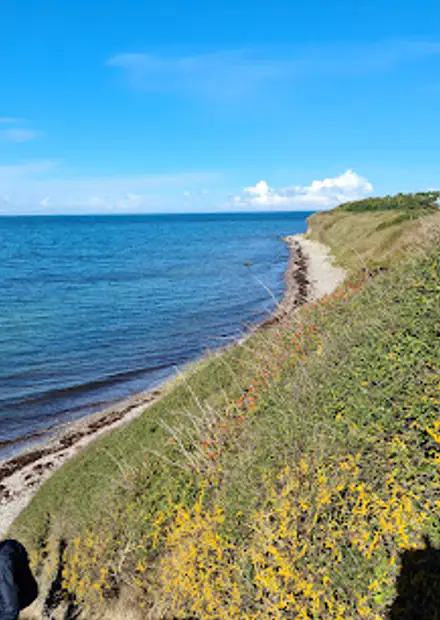
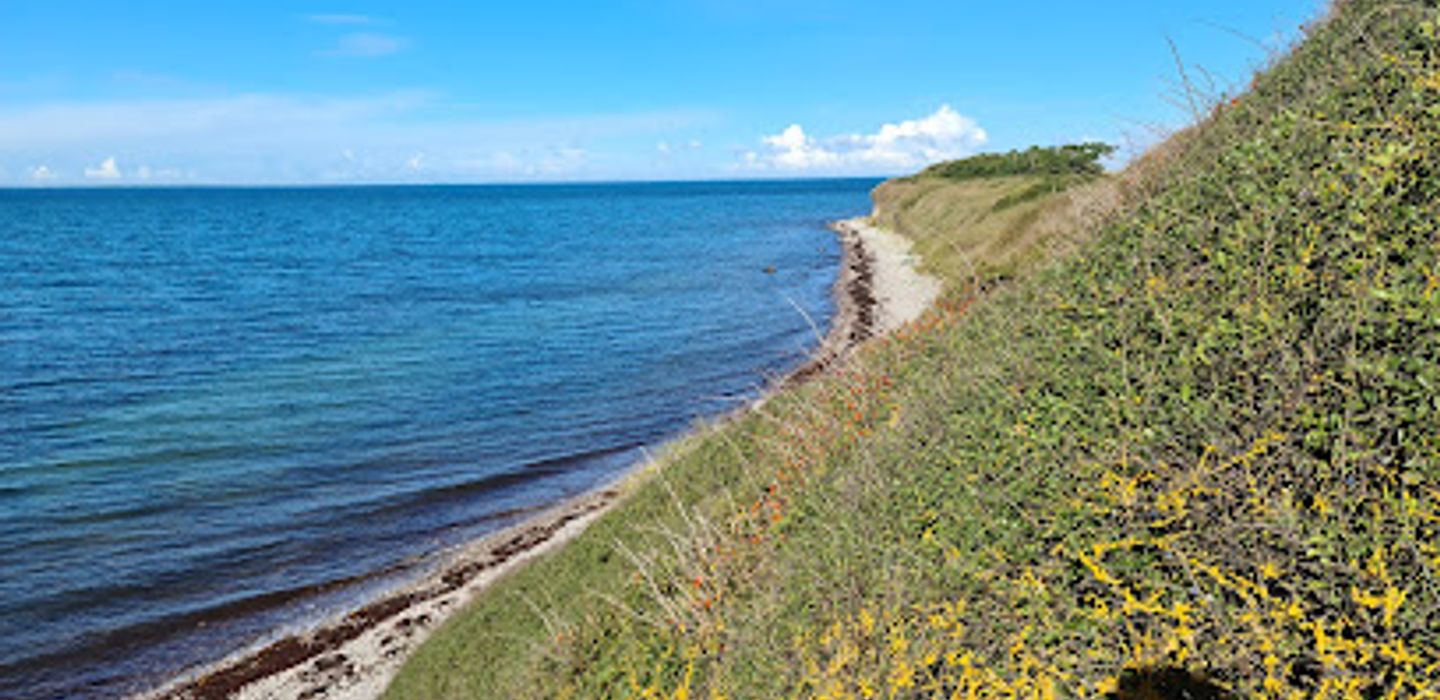
A striking white lighthouse built in 1858 on the southwestern tip of Samsø island, Vesborg Fyr stands on the ruins of a medieval fortress and offers panoramic views across the Samsø Belt toward Funen, Zealand, and Jutland. The site includes a small powder magazine housing an exhibition about Samsø's five medieval strongholds, making it both a historical landmark and a scenic destination for visitors seeking to explore Denmark's maritime heritage.
Daily 11:00–18:00Price level $Time to spend 1.5–3 hrs

Our Lady Church
Vor Frue Kirke is a unique medieval church in Kalundborg, Denmark, built around 1170 and completed in 1220. Its distinctive architecture features five towers arranged in a Greek cross pattern—four at the ends of the cross arms and one central tower rising above the intersection, supported by four granite columns. This rare design was inspired by medieval interpretations of the Heavenly Jerusalem. Built from red brick, the church stands as one of Denmark's most architecturally significant religious structures.
Daily 9:00–16:00Time to spend 0.8–2 hrs

Rådhusparken
Rådhusparken is a vibrant public garden at the heart of Aarhus C, situated next to the iconic City Hall. Known for its lush lawns, historic monuments, and inviting pathways, the park is an urban sanctuary where locals and visitors gather for cultural events, relaxing afternoons, or a picturesque stroll in the city center. Its history merges with the city’s architectural heritage and daily life, making it a celebrated landmark in Aarhus.
Open 24 hours

Herman Sallings Plads
Herman Sallings Plads is an expansive, open square set along Aarhus’s historic harborfront, where the city’s urban energy meets scenic maritime views. This central plaza blends modern Danish design with open-air ambience, making it a favored gathering spot for locals and visitors alike. Bordered by striking architecture, restaurants, and cultural institutions, it’s a vibrant destination for relaxing, people-watching, or soaking in the city’s historic and contemporary pulse.
Open 24 hours

St. Alban's Church
A striking neo-Gothic Catholic church in central Odense, built in the early 20th century and designed by German architect Ludwig Schneider. With its distinctive 54-meter tower, ornate stained glass windows, and hand-carved wooden altarpiece, this architectural gem serves as a spiritual focal point for the city's Polish, German, and Vietnamese Catholic communities. Though overshadowed by the nearby cathedral, St. Alban's Church stands as a testament to 20th-century religious craftsmanship and immigrant heritage.
Time to spend 0.5–1.5 hrs

Store Torv
Store Torv is Aarhus’ central and historic market square, a lively open plaza flanked by centuries-old buildings and the imposing Aarhus Cathedral. Sitting at the intersection of the city’s pedestrian arteries, it has served as the city’s vibrant centerpiece for gatherings, trade, and celebrations since medieval times. Today, visitors are greeted with bustling cafés, periodic markets, and a true sense of the city’s urban life—all overlooked by the cathedral’s soaring spire.
Open 24 hours

The Glavendrup Stone
The Glavendrup Stone is Denmark's most significant runic monument, featuring 210 runes carved into its surface—the longest runic inscription ever found in the country. Dating to the early 10th century, this Viking-era stone was commissioned by Ragnhild to honor her husband Alle, a priest and chieftain. Positioned at the end of a 60-meter stone ship formation with nine burial sites, the stone carries an invocation to Thor and ends with a protective curse. Located in a serene grove near Skamby on Funen island, it stands as a remarkable window into Norse spiritual beliefs and Viking craftsmanship.
Open 24 hoursTime to spend 0.5–2 hrs

Issehoved
Issehoved is the northernmost point of Samsø, a Danish island in the Kattegat Sea. This dramatic coastal landmark features rolling hills, windswept cliffs, and expansive views across the water to Aarhus and the Mols Bjerge mountains. The landscape is constantly shaped by prevailing winds and waves, creating a raw, ever-changing natural environment. Short walking trails lead from the parking area down to the beach, where visitors can explore the tip and experience Denmark's rugged coastal beauty.
Open 24 hoursTime to spend 1–2.5 hrs

Museum Østjylland - Det Gamle Rådhus
Denmark's smallest town hall, this charming 1789 building sits in the heart of Ebeltoft's cobblestone square. Now a museum, it houses exhibitions tracing the market town's history from the Stone Age to the present day. The diminutive structure, with its distinctive architectural character, offers visitors a glimpse into centuries of Danish heritage within an intimate, time-capsule setting.
Thu–Sun 12:00–15:00Time to spend 0.8–1.5 hrs

Odense Castle
Odense Castle is a dignified Baroque complex set in the heart of Odense, overlooking the leafy King’s Garden and a short stroll from the cathedral. Once a royal residence and administrative seat, the pale-yellow wings, neat courtyards and formal parkland offer a calm contrast to the busy city streets. While interior access is limited, the castle’s façades, gardens, sculptures and seasonal events make it a pleasant cultural pause on any walk through central Odense.
Open 24 hoursTime to spend 0.5–1.5 hrs

Odense City Hall
Odense City Hall presides over Flakhaven square in the very heart of Odense, a red‑brick landmark that doubles as both the city’s political hub and one of its most photogenic facades. Built between 1881 and 1883 in an Italian‑inspired Gothic historicist style by architects J.D. Herholdt and Carl Lendorf, it frames the cathedral and cobbled square with ornate gables, arches and a clock tower. Visitors come to admire the architecture, pause on the steps overlooking lively Flakhaven, and use the building as a reference point while exploring Hans Christian Andersen’s hometown.
Time to spend 0.5–1.5 hrs

The Kanhave Canal
Kanhavekanalen is a 500-meter Viking-era canal that cuts across the narrowest point of Samsø island in Denmark, connecting Stavns Fjord to the west. Built in 726 AD, this remarkable feat of early medieval engineering served as a military shortcut for shallow-draft Viking ships, allowing rapid fleet movements and control of vital sea routes between Jylland and Sjælland. Today, the canal remains visible as a distinctive depression in the landscape, with interpretive markers explaining its historical significance.
Open 24 hoursTime to spend 0.5–2 hrs

Brundby Stubmølle
Brundby Stubmølle is one of Denmark's oldest and rarest post mills, dating to the early 1600s and now one of only 16 remaining in the country. Perched on a hilltop in the small village of Brundby on the island of Samsø, this beautifully restored wooden mill offers panoramic views across southern Samsø. The site features picnic tables and benches, a public walking path, and interpretive signage explaining the mill's fascinating history. Open seasonally during summer months, it remains a cherished landmark and popular destination for history enthusiasts and families.
Mon 13:00–16:00 · Thu 13:00–16:00Price level $Time to spend 1–2.5 hrs

Lille Torv
Lille Torv is a historic public square in the heart of Aarhus' Latin Quarter, nestled between Store Torv and Immervad. This vibrant pedestrian hub pulses with restaurants, cafes, and independent shops, drawing locals and visitors alike with its lively atmosphere and cobblestone charm. The square serves as a social and commercial anchor in Aarhus' old town, offering a quintessential Danish urban experience with street-level energy and architectural character.
Open 24 hoursPrice level $$Time to spend 0.5–3 hrs

Mårhøj/Snavehøjen
Hidden in gently rolling fields near Martofte on the Hindsholm peninsula, Mårhøj/Snavehøjen is one of Denmark’s most impressive Neolithic passage graves. Dating back around 5,000 years, this striking grass‑covered mound conceals a 10‑metre stone chamber reached via a low, narrow passage. Visitors can stoop or crawl inside to experience the cool darkness, massive boulders and sandy floor, then climb the hill for sweeping views towards the nearby fjord and the patchwork countryside of northern Funen.
Open 24 hoursTime to spend 0.5–1.5 hrs

Sortehusene
Sortehusene is a collection of approximately 30 small, hand-built houses constructed from wood, tar paper, and recycled materials on the south coast of Stige Ø in Odense. Originally erected in the early 1900s as informal housing for working-class families, these distinctive black structures represent a unique chapter in Danish social history. Today, roughly half of the original houses remain and function as holiday cottages, offering visitors a glimpse into a resilient community that once thrived in primitive conditions without electricity, running water, or sanitation.
Time to spend 1.5–3.5 hrs

Møllestien
Møllestien is a historic cobblestone street in central Aarhus, Denmark, lined with colorful 19th-century working-class houses. Dating back to the 13th century, this charming lane showcases original architecture from the 1870s–1880s, featuring half-timber construction and vibrant facades adorned with flower gardens. Once a neglected slum, the street was revitalized in the 1960s by artists and students who restored the buildings and painted them in bright colors. Today, it stands as one of Aarhus's most picturesque and peaceful neighborhoods, offering a rare glimpse into the city's past while remaining centrally located and easily accessible.
Time to spend 0.5–1 hr

The City's Bridge
Byens Bro is a striking 135-metre pedestrian and cycle bridge that spans 15 railway tracks at Odense Railway Station, connecting the city centre with the harbour area. Opened in May 2015 and designed by Gottlieb Paludan Architects, this architectural landmark features a distinctive 40-metre mirror-finished steel pylon and integrated bicycle parking for 1,400 bikes. The bridge provides direct access to three station platforms via lift and stairs, and creates two vibrant urban squares that serve as meeting points for commuters and visitors.
Open 24 hoursTime to spend 0.2–1.5 hrs

Aarhus waterfront
Aarhus Waterfront is a vibrant harborside destination in the heart of Midtbyen, where contemporary architecture meets maritime heritage. This dynamic public space stretches along the water's edge, featuring promenades, dining venues, cultural attractions, and scenic viewpoints. The waterfront has undergone significant revitalization, transforming into a modern urban hub while preserving its connection to Aarhus's seafaring past. Visitors enjoy waterfront walks, waterside dining, and access to cultural institutions, making it an essential stop for experiencing the city's contemporary character and natural beauty.
Open 24 hoursPrice level $$Time to spend 1.5–4 hrs

Ilsemade Helligkilde
Ilsemade Helligkilde is a Bronze Age holy spring located on the western beach of Samsø island in Denmark. Fresh water flows from a hollow oak trunk believed to date back thousands of years, emerging just eight meters from the shoreline at Vesterløkken. This sacred site blends natural wonder with prehistoric heritage, offering visitors a rare glimpse into Denmark's ancient spiritual traditions and the island's deep connection to water and renewal.
Time to spend 0.5–2 hrs

Enebærodde
Enebærodde is a stunning 5.5-kilometer-long peninsula jutting into the waters between Kattegat and Odense Fjord in North Funen, Denmark. This 300-hectare conservation area features Denmark's largest heath landscape, pristine sandy beaches, and panoramic views across the fjord. Accessible only on foot or by bicycle, it offers peaceful hiking and cycling trails through juniper-dotted heathland, isolated coves, and coastal paths. The protected natural environment supports diverse wildlife and provides a serene escape for nature lovers seeking solitude and scenic beauty.
Open 24 hoursTime to spend 2–5 hrs

Marselisborgmonumentet
Set in the lush Mindeparken just south of Aarhus’ city center, the Marselisborgmonumentet stands as Denmark’s largest World War I memorial. Erected in 1934 to honor Danish volunteers who fell in foreign service during the Great War, this monumental site is surrounded by tranquil parkland and offers sweeping views over Aarhus Bay. Intricate reliefs, symbolic sculptures, and a powerful atmosphere provide both historical insight and a contemplative experience.
Open 24 hours

Odense Noble Virgin Convent
A meticulously preserved Renaissance building from 1504 in Odense's historic centre, the Odense Noble Virgin Convent stands as one of Denmark's oldest architectural treasures. Originally constructed as a bishop's palace, it later served as a royal residence and from 1716 functioned as a sanctuary for unmarried noblewomen until 1972. Today, extensively restored and integrated with the University of Southern Denmark, the convent reveals five centuries of Danish history through its layered interiors—Renaissance doors, Baroque staircases, and countless wallpaper layers documenting shifting tastes across generations.
Time to spend 1–2.5 hrs

Dragsmur
Dragsmur is a low stone-and-earth rampart stretched across the narrow Draget isthmus, where the Helgenæs peninsula connects to mainland Mols. This flat, wave-shaped strip of land between Ebeltoft Vig and Begtrup Vig is rich in coastal nature and Danish history, from Viking ship-dragging tales to medieval fortifications and 19th‑century earthworks. Today it is a scenic spot for walks, bathing, kayaking and quiet contemplation by the water.
Open 24 hoursTime to spend 0.5–3 hrs

Frederiks Plads
Frederiks Plads is a lively urban square in central Aarhus, Denmark, seamlessly blending modern architecture with everyday greenery. Framed by striking glass buildings and featuring a vibrant park-like atmosphere, it serves as a social and recreational hub for locals and visitors alike. Although newly established, it has quickly become a defining feature of Aarhus’s cityscape, offering open lawns, benches, and art installations, set against the backdrop of the city’s energetic business and residential district.
Open 24 hours

The Sea Horse
A striking bronze sculpture depicting a wild sea horse with a mermaid rider, inspired by Hans Christian Andersen's play Agnete and the Merman. Located at the entrance to Munke Mose Park where the river crossing meets the green space, this powerful public artwork captures the magical spirit of Andersen's fairy tale universe. The dynamic sculpture stands as one of Odense's most iconic monuments celebrating the city's literary heritage.
Open 24 hoursTime to spend 0.5–2 hrs

Kaalund Monastery
Kaalund Monastery in Kalundborg is a historic former Franciscan house turned manor and civic building, easily recognised by its warm yellow-and-white facades set beside a small garden. Established as a monastery in 1239, the medieval convent was later dissolved after the Reformation, and the current main building dates from the mid‑18th century. Today it houses municipal offices and citizen services, but its exterior, courtyard feel and setting in Kalundborg’s old town make it a characterful stop on a walk between the five‑towered Church of Our Lady and the harbour.
Time to spend 0.5–1.5 hrs

Vadestedet
Vadestedet, nestled along Åboulevarden in Aarhus, is a historic riverside area renowned for its lively atmosphere, charming cafés, and rich history dating back to the city's origins.

Ulstrup Mølle
A beautifully restored 19th-century windmill standing on a hilltop in rural Røsnæs, Denmark. Originally built in 1862 as a working grain mill, Ulstrup Mølle now operates as a museum where visitors can explore original milling machinery and experience authentic stories from volunteer millers. Free admission and limited seasonal hours make it an intimate cultural heritage experience.
Tue 10:00–12:00Time to spend 1–2.5 hrs

Lerchenborg Gods
Lerchenborg Gods is a grand 18th‑century manor estate just south of Kalundborg on Zealand’s west coast. Built between 1743 and 1753 for General Christian Lerche, the whitewashed Rococo main house, flanked by symmetrical farm buildings and formal parkland, forms one of Denmark’s most harmonious Baroque ensembles. Although the estate itself is not normally open for casual visitors, its story of aristocratic life, preserved architecture and links to Hans Christian Andersen make it a fascinating backdrop for a stay or a contemplative stroll in the surrounding countryside.
Price level $$Time to spend 0.5–1.5 hrs

Agnete og Havmanden
Agnete og Havmanden is an evocative bronze sculpture set in central Aarhus, depicting a poignant scene from Danish folklore. Installed in 1941, it offers an enchanting blend of art and mythology, representing Agnete and her merman family poised in the fountain at the lively Park Allé. The sculpture is a tranquil urban oasis, inviting visitors to reflect on Denmark’s narrative arts and enjoy a picturesque pause amid city bustle.
Open 24 hours

Latin Quarter
The Latin Quarter, Aarhus's oldest neighborhood, enchants visitors with its cobblestone streets, historic architecture, and vibrant atmosphere. Dating back to the 14th century, this area is a hub for unique boutiques, cozy cafés, and cultural experiences, offering a delightful blend of history and modern Danish charm.

Vestborgen
Tucked behind Kalundborg Museum, Vestborgen is the atmospheric ruin of Esbern Snare’s 12th‑century west castle, once part of a powerful medieval stronghold guarding Kalundborg’s harbour and the Hvide family’s estates. Today only low foundation walls and earthworks remain, but the outlines of towers, halls and courtyards are still traceable in the grass. Simple information boards and the setting within Kalundborg’s historic high town make this a rewarding, low‑key stop for history‑minded visitors and anyone piecing together the story of Denmark’s medieval frontier.
Open 24 hoursTime to spend 0.5–1.5 hrs

Oceania
A striking bronze sculpture of the sea goddess Oceania reclines on Flakhaven, Odense's central square. Created by Danish artist Svend Wiig Hansen and installed in 1992, this provocative work features a classical face, seal-flipper feet, and a muscular form that has sparked both admiration and debate among locals and visitors. Children delight in using the sculpture as a climbing and sliding structure, while its bold, unapologetic presence makes it one of Odense's most talked-about artworks.
Open 24 hoursTime to spend 0.2–1 hr

Det gamle vandtårn
Det gamle vandtårn is a historic brick water tower located in Odense, Denmark, representing an important chapter in the city's industrial and infrastructural development. Built in the early 20th century, this striking red-brick structure once served as a vital component of Odense's water supply system. Today, it stands as a testament to the engineering achievements of Denmark's industrial era and offers visitors insight into how modern utilities transformed urban life in the Nordic region.
Open 24 hoursTime to spend 0.5–1.5 hrs

H. C. Andersen skulptur i havnen
A submerged bronze sculpture of Hans Christian Andersen by artist Jens Galschiøt sits in Odense Fjord, visible just below the surface near the public swimming pool. Created for an unrealized fountain project, the 3-meter figure became famous after a symbolic 2011 'burial' protest against bureaucratic delays. A reproduction now permanently occupies the harbour, embodying the whimsical defiance of one of Denmark's most unconventional public artworks.
Open 24 hoursTime to spend 0.5–2 hrs

Bænken med den smukkeste udsigt
Perched on the hillside of Ballehage overlooking Aarhus Bay, this iconic wooden bench offers one of the city's most captivating panoramic views. Originally established in the early 20th century as a popular gathering spot, the bench has become a cherished landmark where locals and visitors alike pause to absorb sweeping vistas of the waterfront, harbor, and surrounding landscape. The simple yet perfectly positioned seating invites quiet contemplation and serves as an ideal vantage point for sunrise and sunset photography.
Time to spend 0.5–2 hrs

Olaf Ryes Skanse
Olaf Ryes Skanse is a 19th-century military fortification located on the narrow isthmus connecting Helgenæs peninsula to Mols in eastern Jutland, Denmark. Built as a sconce (small fortification), it played a crucial role during the First Schleswig War (1848–1851) and is named after General Olaf Rye, a Norwegian-Danish military officer who died heroically in battle. The site offers panoramic views across the surrounding landscape and serves as a poignant memorial to Danish military history.
Open 24 hoursTime to spend 0.8–2 hrs

Gyngetræ ud over havet
A charming waterfront swing suspended from a natural tree overlooking the sea in Højbjerg, Denmark. This peaceful spot combines the simple joy of swinging with stunning coastal views, making it an ideal destination for families seeking a serene outdoor experience. The location offers a unique blend of natural beauty and nostalgic recreation, perfect for a relaxing afternoon by the water.
Time to spend 0.5–2 hrs

Andersen on the bench
In the heart of Odense’s modern cultural quarter, the bronze sculpture “Hans Christian Andersen on the Bench” invites you to literally sit beside Denmark’s most famous storyteller. Created by sculptor Jens Galschiøt, the lifelike figure of Andersen, relaxed yet thoughtful, sits outside the hotel and casino complex near the concert hall. It is a compact but characterful stop on any Hans Christian Andersen walking route, ideal for a quick pause, a photo, and a quiet moment reflecting on his fairy-tale world.
Time to spend 0.5–1 hr

Skyggen, rejseskammeraten og improvisatoren
Rising beside Odense’s busy railway hub and the greenery of Kongens Have, the eight‑metre sculpture “Skyggen, Rejsekammeraten og Improvisatoren” forms a striking, threefold portrait of Hans Christian Andersen. Created in 2005 by Danish artist Bjørn Nørgaard, the work weaves together figures and motifs from Andersen’s tales into a bold, contemporary monument. With its colourful, symbolic surfaces and slightly surreal forms, this outdoor artwork invites you to pause, circle around it and slowly decode how shadow, traveller and improviser capture different sides of Denmark’s most famous storyteller.
Open 24 hoursTime to spend 0.2–1 hr

Papirbåden | H.C. Andersen
Floating gently on the lake in Odense’s Fairytale Garden, Papirbåden is a gleaming metal sculpture shaped like a delicate paper boat, inspired by Hans Christian Andersen’s tale “The Steadfast Tin Soldier.” Surrounded by landscaped greenery, flowerbeds and views of nearby church spires, this small but evocative artwork captures the bittersweet romance and quiet drama of Andersen’s universe. It’s an easy, atmospheric stop along any walking route through central Odense’s Hans Christian Andersen sites.
Open 24 hoursTime to spend 0.5–1.5 hrs

Gisseløre gamle fyr
Gisseløre gamle fyr is a historic lighthouse located on the southern tip of the Gisseløre peninsula in Kalundborg, Denmark. Built in 1868, this red-and-white striped beacon once guided ships through the waters of the Great Belt. The original lighthouse featured a petroleum lamp that required the lighthouse keeper to row across from Kalundborg to maintain it. Though no longer operational as a primary aid to navigation, the structure remains an iconic landmark representing Denmark's maritime heritage and the region's seafaring traditions.
Time to spend 0.5–2 hrs

The eltest city hall
Tucked into the cobbled lanes of Kalundborg’s medieval Højbyen, the old town hall at Adelgade 2 is one of the city’s most atmospheric historic buildings. Once the civic heart of medieval Kalundborg, this modest but characterful structure now stands as a quiet witness to centuries of local governance, trade, and everyday life in one of Denmark’s best-preserved medieval quarters. Its simple façades, period details and setting among half-timbered houses and the five-towered church make it a rewarding stop on any stroll through the old town.
Time to spend 0.5–1.5 hrs

Befrielsessten i Kalundborg
Tucked on a quiet rise just outside central Kalundborg, the Befrielsessten is a modest yet moving liberation stone commemorating Denmark’s freedom at the end of World War II. This simple boulder, inscribed and framed by grass, hedges and a few trees, forms a tiny memorial park where you can pause, reflect and imagine the relief that swept across the country in May 1945. It is an unassuming, free, always-open stop that adds a layer of history to any visit to Kalundborg.
Open 24 hoursTime to spend 0.5–1 hr

Den Svangre
Den Svangre, meaning 'The Pregnant Woman,' is a striking bronze sculpture located in Rådhusparken, the City Hall Park of central Aarhus. This notable public artwork stands as a testament to Danish sculptural tradition and offers visitors a serene spot to pause amid the cultural heart of the city. Surrounded by linden trees and historic architecture, the sculpture provides an intimate encounter with modern Nordic art in one of Aarhus's most significant urban spaces.
Time to spend 0.5–2 hrs

Røsnæs Strandpark jættestue
A 5,000-year-old Neolithic passage grave nestled in the windswept coastal landscape of Denmark's Røsnæs Peninsula near Kalundborg. This ancient megalithic chamber, known locally as a jættestue or 'giant's chamber,' stands as a remarkable testament to Stone Age burial practices and offers visitors a direct connection to Denmark's prehistoric heritage amid dramatic seaside scenery.
Open 24 hoursTime to spend 0.8–2.5 hrs

Kirsebærtræer, Ny Kongevej
Ny Kongevej is Odense's longest avenue lined with Japanese cherry trees, transforming into a spectacular floral display each spring. This beloved neighborhood street stretches through residential Odense C, where local residents have collectively invested in maintaining and expanding the cherry tree population. The avenue has become one of the city's most cherished seasonal attractions, drawing visitors and photographers during the brief but stunning blooming period.
Time to spend 0.8–2 hrs

Befrielsessten i Kallerup
A solemn memorial stone commemorating Denmark's liberation from Nazi occupation in May 1945, located in the rural village of Kallerup near Kalundborg. This modest but historically significant monument stands as a testament to the Danish resistance movement and the end of World War II's occupation period. The site offers a quiet place for reflection on Denmark's wartime experience and the sacrifices made during the five-year German occupation.
Open 24 hoursTime to spend 0.2–1 hr

Landmarket Horsedalen
Horsedalen is a scenic valley landmark on the protected Røsnæs Peninsula, part of the 25 km Røsnæs Rundt coastal hiking route near Kalundborg. This distinctive location showcases rare flora and the peninsula's unique microclimate—one of Denmark's driest and sunniest regions. Visitors can explore the south-facing slopes from wooden viewing platforms, experiencing the exceptional light and landscape that have inspired artists for generations.
Time to spend 1–3 hrs

Flagpladsen
Flagpladsen is a scenic plaza in Aarhus's Kongelunden area, serving as the main entrance to the Marselisborg Memorial Park. This elevated square offers panoramic views over Aarhus Bay and provides access to several interconnected attractions, including the Ole Rømer Observatory, Rømer Haven garden, and the historic memorial grounds. The plaza is a focal point for both cultural heritage and recreational exploration.
Time to spend 1.5–4 hrs

Træ-cirklerne ved Birkendegård
On the fields east of Kalundborg, the enigmatic Træ-cirklerne ved Birkendegård – often dubbed “Denmark’s Stonehenge” – mark the site of a vast Neolithic ring monument. Today no stones stand, but subtle traces in the landscape reveal three great concentric circles, once formed by hundreds of posts or megaliths encircling the hill of Overdrevsbakken. Simple paths, open farmland and big skies create an atmospheric spot for imagining prehistoric solstice ceremonies and early sun worship on the Kalundborg plain.
Tue–Sun 10:00–16:00Time to spend 0.5–1.5 hrs

EM-statue-1992 (Richard Møller Nielsen)
Tucked beside Odense Stadion, the EM 1992 statue of legendary Danish coach Richard Møller Nielsen is a compact yet powerful tribute to Denmark’s greatest football fairy tale. Here, bronze and brick mark the spot where Odense honours the local coach who led the national team to an against‑all‑odds victory at Euro 1992. It is an easy, open-air stop: a small square, a lifelike figure, and plaques that quietly tell the story of an ordinary Odense man who changed Danish sporting history.
Open 24 hoursTime to spend 0.5–1 hr

Samsø Sogn
Set on Langgade in the heart of Tranebjerg, Samsø Sogn Church is the main parish church for the island’s central community. Behind its whitewashed walls you step into centuries of island faith, from medieval stonework and a tranquil nave to a modest churchyard that reflects Samsø’s close-knit life. It is a quiet, contemplative stop amid shops and everyday bustle, offering a glimpse of local history, ritual and architecture on this small Danish island.
Time to spend 0.5–1.5 hrs

Mindesten - Morten Madsen
Set in the rural landscape of Samsø, the Mindesten – Morten Madsen is a modest memorial stone in a small green space, offering a quiet pause amid fields, sky and sea air. This is not a major monument but a simple, contemplative spot that reflects the island’s tradition of commemorating local figures and stories. Combine a short stop here with wider explorations of Samsø’s villages, churches, burial mounds and coastal views for a deeper sense of island history.
Time to spend 15–30 min

Kalundborg Slot
Once one of Denmark’s most important royal strongholds, Kalundborg Slot has largely vanished from the skyline, but its story still anchors the medieval heart of Kalundborg. Here, where fortifications once guarded the fjord and kings and nobles plotted politics, you now trace subtle earthworks, fragments, and street lines that echo the vanished castle. Combined with the nearby five-towered Church of Our Lady and the old town’s cobbled lanes, this is a site best appreciated through imagination, history and a slow wander rather than monumental walls.
Time to spend 0.5–1.5 hrs

Mindesmærke for Jørgen Manniche
A solemn memorial plaque at Skibbrogade 17 in Kalundborg commemorates Jørgen Manniche, a 23-year-old Danish resistance fighter killed by German gunfire on May 4, 1945, during the final days of World War II. The memorial marks the spot where he was shot while seeking shelter, and serves as a poignant reminder of the cost of liberation and the innocent lives lost in the struggle for freedom.
Time to spend 0.2–1 hr

Vægmaleri
A striking street art mural located on Vestergade in central Odense, this public artwork exemplifies the city's vibrant contemporary art scene. The mural contributes to Odense's urban transformation, bringing color and artistic expression to the historic streetscape. Part of a broader initiative to integrate visual art into everyday city spaces, this piece invites passersby to pause and engage with the creative energy that defines modern Odense.
Open 24 hoursTime to spend 0.2–1 hr

The maiden jump
Tucked into the cobbled charm of Munkemøllestræde in Odense’s old town, The Maiden Jump (Jomfruspringet) is a small but hauntingly memorable stop on a stroll through Hans Christian Andersen’s quarter. Marked in the paving stones near the cathedral, this modest site recalls a dark local legend of a young woman’s fatal leap from the church tower, blending folklore, faith and moral drama in a single footprint. It is a quiet, contemplative pause point between museums, fairytale sculptures and half-timbered houses.
Open 24 hoursTime to spend 15–30 min

Bolbro vartegn
Bolbro Vartegn is a striking public landmark in the Bolbro neighbourhood of western Odense, Denmark. Consisting of large-scale letters spelling out the district's name, this modern sign has become an iconic symbol of community identity in this historically significant suburban area. Located on Middelfartvej, the landmark reflects Bolbro's transformation and serves as a gathering point for residents and visitors exploring this vibrant neighbourhood.
Time to spend 0.2–1 hr

Befrielsessten i Skalkendrup
A solemn memorial stone located in the small village of Skalkendrup near Nyborg, Denmark, commemorating the liberation of Denmark during World War II. This modest yet significant monument stands as a testament to the Danish resistance movement and the country's freedom from Nazi occupation. The site offers a quiet place for reflection on Denmark's wartime history and the sacrifices made by those who fought for liberation.
Time to spend 0.2–1 hr

Mindesten for Rytterfægtningen ved Torsted
Set back from busy Vejlevej on the southern edge of Horsens, the Mindesten for Rytterfægtningen ved Torsted is a modest memorial stone in a small green strip marking a dramatic cavalry skirmish from the Second Schleswig War. Erected in 1914 on the 50th anniversary of the battle, it commemorates a handful of Danish dragoons who faced Prussian hussars here in April 1864. Today the stone offers a quiet, reflective pause and a tangible link to Denmark’s turbulent 19th‑century history amid everyday suburban surroundings.
Open 24 hoursTime to spend 15–30 min

Det gamle vandtårn
A striking 41.5-meter water tower in Skanderborg, built in 1908 in reinforced concrete with distinctive castle-style architecture. Originally constructed to supply water to the growing industrial town, this landmark now stands as a testament to early 20th-century engineering and urban development. The tower's imposing silhouette dominates the skyline and offers insight into the region's technical heritage.
Time to spend 0.2–1 hr

Store Torv
Store Torv is Aarhus's largest and most historic public square, located in the Indre By neighborhood at the heart of the city center. Dominated by the impressive Aarhus Cathedral dating from around 1300, this elongated triangular plaza has served as a marketplace and civic gathering space since approximately 1200. Today it functions as a vibrant pedestrian hub surrounded by shops, restaurants, and historic buildings including the Hotel Royal and the centuries-old Løveapoteket pharmacy. The square connects seamlessly to neighboring plazas and the main shopping street, making it an essential anchor point for exploring central Aarhus.
Time to spend 0.5–2 hrs
Explore Vesborg Fyr on the map
A handpicked selection of must-see spots near Vesborg Fyr, mapped for you.
More about Vesborg Fyr
Vesborg Fyr travel guide
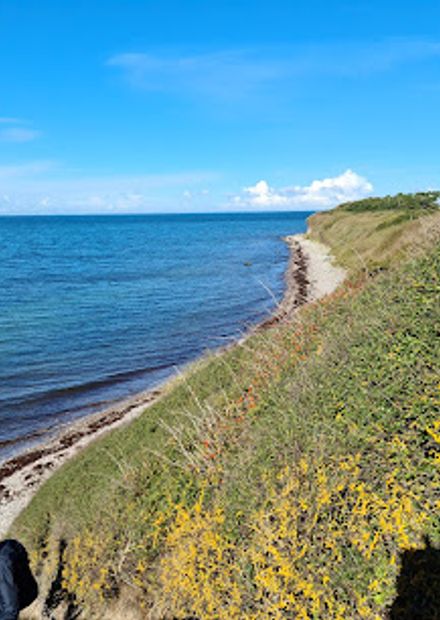
Medieval fortress ruins crowned by a 19th-century lighthouse with sweeping views across the Samsø Belt.
Tell me more about Vesborg FyrMore to explore near Vesborg Fyr

 Best experiences near Vesborg Fyr

 Best hotels near Vesborg Fyr

 Best attractions near Vesborg Fyr

 Best shops near Vesborg Fyr

 Best bars near Vesborg Fyr

 Best restaurants near Vesborg Fyr
Explore more
Explore more of Samsø
Samsø: Explore Denmark's eco-friendly island, rich in natural beauty, culinary delights, and cultural heritage.
Explore Samsø
Getting your guide ready…
We are putting together a fresh copy of the Vesborg Fyr guide. This can take up to a minute.
This can take a few moments. If your browser asks, choose Allow so the download can start. You'll find the guide in your Downloads folder.
Nothing happened? Download it again
Sorry, the guide is taking longer than usual. Please try again in a minute, or get it by email instead.