

Best Landmarks Near Mac Ewen Castle (Argyllshire)
Planning a trip to Mac Ewen Castle? Discover the best landmarks nearby with history, expert tips, and routes. Free on web or the Evendo app.


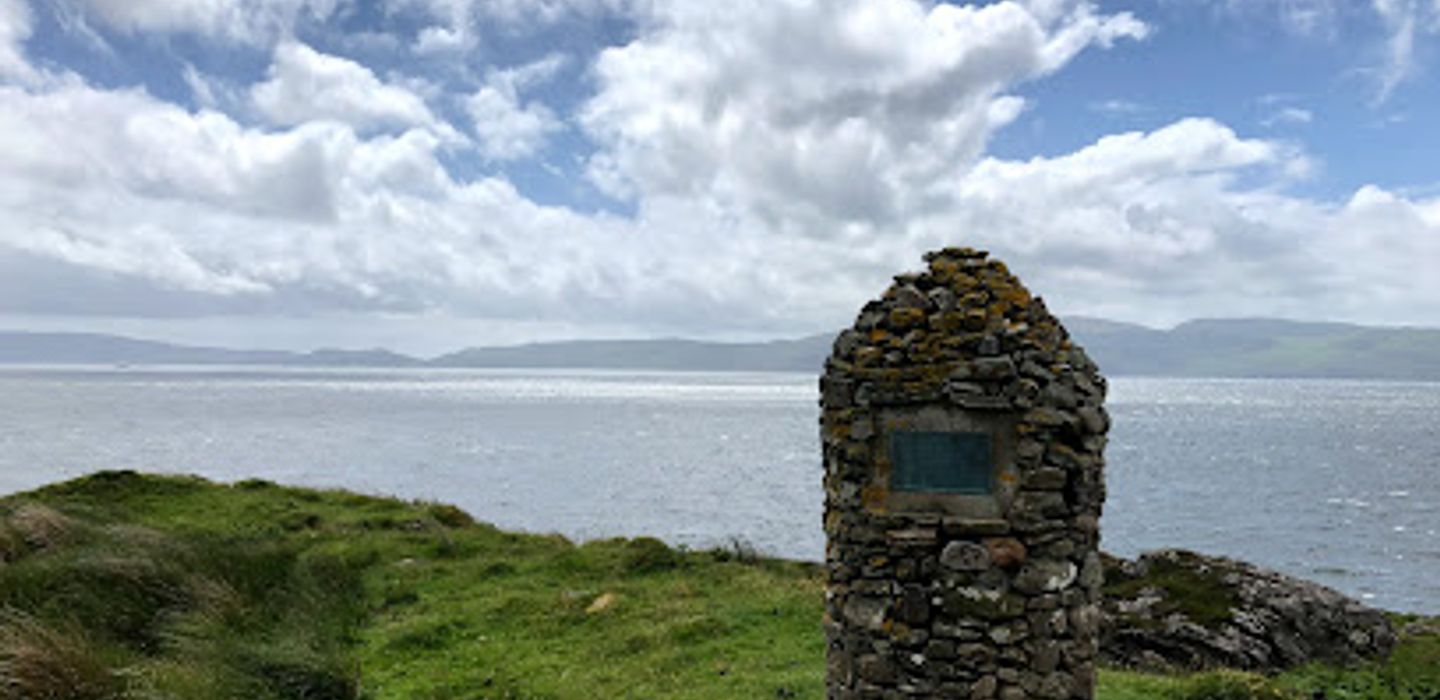
The best landmarks near Mac Ewen Castle
- Top rated
- Closest to Mac Ewen Castle
- Price level: low to high
- Time to spend: shortest first
- A–Z
83 landmarks
-
Park and Garden4.4★20,702 reviews
George Square
George Square stands as Glasgow's principal civic space, a grand public square named after King George III and laid out in 1781. Surrounded by architecturally significant buildings including the palatial City Chambers and the historic Merchants' House, the square showcases an impressive collection of statues and monuments dedicated to notable Scottish figures such as Robert Burns, James Watt, Sir Robert Peel, and Sir Walter Scott. Originally developed as an elegant residential square, it has evolved into the cultural and administrative heart of Glasgow, hosting major events throughout the year and serving as a focal point for the city's heritage and contemporary life.
Open 24 hoursTime to spend 1–3 hrs
-
Shopping Centre4.3★17,731 reviews
Braehead Shopping Centre
Braehead Shopping Centre is a major retail and leisure destination located on King's Inch Road in Renfrew, near Glasgow. Boasting over 100 stores, a diverse dining scene, and entertainment options, it offers a comprehensive shopping experience. The centre features ample free parking and extended opening hours, making it accessible and convenient for visitors throughout the week.
Price level $$Time to spend 1–5 hrs
-
Shopping Centre4.2★8,841 reviews
Loch Lomond Shores
Loch Lomond Shores is a vibrant shopping and leisure destination located on the southern tip of Loch Lomond in Balloch, Scotland. Offering stunning loch views, a variety of shops, cafes, and restaurants, plus attractions like an aquarium and boat trips, it combines natural beauty with family-friendly entertainment. Visitors enjoy free parking, regular markets featuring local produce, and year-round events in a relaxed, accessible setting.
Daily 10:00–17:30Price level $$Time to spend 2–6 hrs
-
Stadium3.9★7,247 reviews
Hampden Park
Scotland's national football stadium and one of the world's most historically significant sporting venues. Located in Glasgow's Mount Florida district, Hampden Park opened in 1903 and has hosted Scotland's home internationals, Scottish Cup Finals, and major European competitions. With a capacity of 51,866, it remains the spiritual home of Scottish football and a pilgrimage site for fans worldwide.
Price level $$Time to spend 1.5–4 hrs
-
Historical landmark4.5★4,832 reviews
McCaig's Tower & Battery Hill
Perched on Battery Hill overlooking Oban, McCaig's Tower is a striking, unfinished folly built in 1897 by local banker John Stuart McCaig. Designed to provide work for stonemasons and serve as a lasting family monument, the tower's Colosseum-inspired arches frame spectacular views across Oban Bay and the Atlantic Islands. Within its stone embrace lies a tranquil garden, offering a peaceful retreat from the town below.
Open 24 hoursTime to spend 1–1.5 hrs
-
Bar4.4★2,375 reviews
Merchant Square
Nestled in Glasgow's vibrant Merchant City, Merchant Square is a historic cobbled courtyard transformed into a bustling hub of dining, drinking, and entertainment. This iconic venue features an eclectic mix of bars, restaurants, and leisure spots under a stunning covered atrium, perfect for people-watching and weekend craft markets. From morning coffee to late-night cocktails, it captures the essence of Glasgow's food and cultural scene with its lively atmosphere and architectural charm. Open daily from early morning, it draws locals and visitors alike for its diverse offerings and central location.
Price level $$Time to spend 1–3 hrs
-
Historical landmark4.8★1,993 reviews
St Conan’s Kirk
St Conan’s Kirk, nestled on the shores of Loch Awe near Dalmally, Scotland, is a remarkable church blending multiple architectural styles from Norman to Gothic. Built between 1881 and 1930 by Walter Douglas Campbell and completed by his family, it features intricate stonework, stained glass, and chapels including the notable Bruce Chapel housing a relic of Robert the Bruce. This unique, Category A listed landmark offers a tranquil, inspiring atmosphere amid stunning natural surroundings.
Daily 9:00–18:00Time to spend 1–3 hrs
-
Tourist attraction4.5★1,715 reviews
Dumbarton Castle
Perched dramatically atop a 350-million-year-old volcanic plug, Dumbarton Castle commands the confluence of the River Leven and Clyde estuary. This fortress, with over 1,500 years of recorded history, served as the royal stronghold of the ancient Kingdom of Strathclyde and sheltered Mary, Queen of Scots before her escape to France. Visitors ascend more than 500 steps through medieval fortifications and 18th-century military architecture to reach panoramic summit views stretching toward Ben Lomond and the Firth of Clyde.
Tue–Sat 9:30–17:00Price level $Time to spend 2–4 hrs
-
Catholic cathedral4.7★612 reviews
Metropolitan Cathedral of St Andrew
The Metropolitan Cathedral of St Andrew is the mother church of the Roman Catholic Archdiocese of Glasgow. Built in the early 19th century in a Neo-Gothic style by James Gillespie Graham, it stands on Clyde Street near the River Clyde. Despite its modest scale and lack of a steeple, it is a richly decorated and historically significant cathedral, reflecting the revival of Catholicism in Glasgow after centuries of suppression. The cathedral underwent extensive restoration in 2010 to enhance its facilities and preserve its heritage.
Daily 8:00–18:00Time to spend 0.5–2 hrs
-
Museum4.7★546 reviews
Glasgow Police Museum
Located on the first floor of 30 Bell Street in Glasgow’s Merchant City, the Glasgow Police Museum offers a fascinating glimpse into the history of Britain’s first police force from 1779 to 1975. The museum showcases over 2,000 items including uniforms, insignia, and artifacts from Glasgow and around the world. Entry is free, supported by donations, and the museum is staffed by knowledgeable volunteer ex-officers who bring the exhibits to life.
Mon–Sat 10:00–16:30 · Sun 12:00–16:30Time to spend 1–2 hrs


Portencross Castle
Portencross Castle is a restored 14th-century tower castle perched on a rocky promontory overlooking the Firth of Clyde near West Kilbride in North Ayrshire. Built by the Boyd family following their reward from King Robert the Bruce for their role at the Battle of Bannockburn, this three-storey fortress served as a strategic trading post and departure point for royal funeral processions to Iona. Today, managed by the Friends of Portencross Castle, it offers visitors a glimpse into medieval Scottish life with its vaulted chambers, spiral staircases, and recently discovered bottle dungeon, set against dramatic coastal views.
Daily 11:00–16:00Time to spend 1–2.5 hrs

Buchanan Castle
Buchanan Castle stands as a hauntingly beautiful Scottish baronial ruin near Drymen, west of Loch Lomond. Built in 1852–1858 by the 4th Duke of Montrose to replace an ancestral seat destroyed by fire, this grand manor features distinctive turrets, bartizans, and stepped gables. Now roofless and overgrown, the castle remains a striking testament to 19th-century Scottish architecture and a repository of dramatic historical moments, including its role as a World War II hospital where Nazi Deputy Führer Rudolf Hess was briefly held.
Time to spend 1.5–3 hrs

Kilmartin Museum
Kilmartin Museum, located in the village of Kilmartin near Lochgilphead, Argyll, is a nationally significant archaeological museum showcasing over 12,000 years of human history. It connects visitors intimately with the rich prehistoric landscape of Kilmartin Glen, featuring ancient artefacts, interactive exhibits, and access to nearby monuments such as burial cairns and stone circles. The museum reopened in 2023 after a major redevelopment, offering accessible facilities and a café, making it a captivating cultural experience in western Scotland.
Daily 10:00–17:00Price level $$Time to spend 1–2 hrs

McLennan Arch
McLennan Arch is a striking classical triumphal arch located at the entrance to Glasgow Green. Originally part of the 18th-century Glasgow Assembly Rooms, this architectural relic was preserved and relocated multiple times, now standing as a picturesque monument symbolizing Glasgow’s rich cultural and architectural heritage. It offers visitors a glimpse into the city’s past and serves as a popular photo backdrop amid the lush greenery of the park.
Open 24 hoursTime to spend 0.5–1.5 hrs

The Machrie
Nestled on the Isle of Islay near Port Ellen, Another Place, The Machrie is a contemporary luxury hotel renowned for its stunning coastal views, world-class golf links, and stylish accommodations. Offering 43 beautifully designed rooms, suites, and family lodges, the property also features a restaurant, outdoor sauna, hot tub garden, treatment rooms, and a games room, making it a perfect escape for golfers and non-golfers alike seeking tranquility and adventure in the Hebrides.
Price level $$$Time to spend 1–3 hrs

Glasgow City Chambers
Dominating George Square in central Glasgow, the City Chambers is a magnificent Victorian-era town hall and the seat of Glasgow City Council. Completed in 1888, this grand civic building showcases opulent Italian Renaissance interiors, including Europe’s largest marble staircase and a lavish banqueting hall adorned with murals by the Glasgow Boys. Free guided tours offer a rare glimpse into the city’s governance and architectural splendour, making it a must-see landmark for visitors exploring Glasgow’s historic heart.
Mon–Fri 9:00–17:00Time to spend 0.5–2 hrs

St Andrew's in the Square
St Andrew's in the Square is a beautifully restored 18th-century former church located in the heart of Glasgow city centre. Renowned for its stunning Georgian architecture, including a grand decorated ceiling and spacious oak-floored main hall, it serves as a vibrant cultural centre hosting concerts, ceilidhs, weddings, and receptions. The venue combines historic charm with versatile event spaces, making it a standout destination for both visitors and locals.
Mon–Fri 10:00–16:00Price level $$Time to spend 1–4 hrs

Kildalton Cross
One of Scotland's finest surviving Celtic high crosses, carved in the 8th century and still standing in its original location on the Isle of Islay. This masterpiece of early Christian art features intricate biblical carvings depicting scenes including the Virgin and Child, David slaying the lion, and the sacrifice of Isaac. Adjacent to the atmospheric ruins of Kildalton Chapel, the site offers a profound connection to over 1,300 years of Scottish religious heritage.
Open 24 hoursTime to spend 0.5–1.5 hrs

Barcaldine Castle
Barcaldine Castle, also known as the Black Castle, is a 17th-century tower house located near Oban, Scotland. Built between 1601 and 1609 by Sir Duncan Campbell, it played a role in the infamous Massacre of Glencoe and is steeped in history and legend. Restored in the late 19th century, it now operates as a charming bed and breakfast with stunning views over Loch Creran and the Glencoe mountains, offering visitors a unique blend of heritage, mystery, and natural beauty.
Price level $$Time to spend 1–3 hrs

Glasgow Science Centre Tower
Rising 127 metres above the Clyde, Glasgow Tower is Scotland's tallest free-standing structure and a marvel of rotating engineering. This iconic landmark at Glasgow Science Centre offers a 2.5-minute journey to a cabin with panoramic views across Glasgow, the river, and surrounding landscapes. The tower's revolutionary design allows it to rotate with the wind, creating a unique experience. Access includes an interactive ground-level exhibition featuring Glasgow's history, archive imagery, and a five-metre touchscreen map of the Clyde.
Daily 10:00–17:00Price level $$Time to spend 1–2.5 hrs

Coats Paisley
Coats Paisley is a distinguished wedding and events venue located on High Street in Paisley, Scotland. Steeped in history and offering cinematic views from its interiors, this venue combines heritage charm with elegant spaces ideal for weddings, receptions, and special occasions. Its rich architectural character and central location make it a sought-after destination for memorable celebrations.
Price level $$Time to spend 2–8 hrs

Castle Sween
Castle Sween stands as Scotland's oldest dated stone castle, built around 1100–1150 on the eastern shore of Loch Sween in Knapdale, Argyll. This imposing medieval fortress, with its 2-meter-thick curtain walls and Norman buttresses, was constructed by Suibhne 'the Red', a Norse-descended chieftain whose name evolved into both the castle's name and the MacSween clan. Perched on a low rocky ridge overlooking the loch with views toward Jura, the castle commanded vital sea routes and served as a strategic stronghold through centuries of clan warfare, changing hands between the MacSweens, MacDonalds, and Campbells before being destroyed and abandoned in 1647.
Open 24 hoursTime to spend 0.8–2.5 hrs
The Glasgow School of Art
Charles Rennie Mackintosh's architectural masterpiece, The Glasgow School of Art stands as one of Scotland's most significant cultural institutions. Built in two phases between 1897 and 1909, this iconic building on Renfrew Street blends Scottish baronial influences with modernist principles. Though the Mackintosh Building sustained fire damage in 2014 and remains under restoration, visitors can explore the campus, view original Mackintosh furniture in the contemporary Reid Building, and join student-led tours celebrating the architect's revolutionary vision and the school's enduring creative legacy.
Mon–Sat 8:00–21:00Time to spend 1.5–3 hrs

The Sixty Steps
The Sixty Steps is a historic and architecturally significant staircase in Glasgow’s West End, connecting Kelvinside Terrace South to Garriochmill Road. Designed by the renowned Alexander 'Greek' Thomson, the steps are part of a B-listed wall and form a cherished local landmark. The site offers a glimpse into Glasgow’s Victorian-era urban development and community spirit, surrounded by elegant terraces and green spaces in the Kelvinside district.
Open 24 hoursTime to spend 0.5–1.5 hrs

St George's Tron Church of Scotland
St George's Tron Church, located at 163 Buchanan Street in Glasgow, is a historic Presbyterian church known for its distinctive Baroque tower and rich evangelical heritage. Originally built between 1807 and 1809, the church has played a central role in Glasgow's spiritual and civic life, evolving through mergers and relocations while maintaining its commitment to biblical teaching.
Mon–Sat 10:30–16:30 · Sun 12:00–15:00Time to spend 0.5–1.5 hrs

Carraig Fhada Lighthouse
Perched on a rocky outcrop near Port Ellen, Carraig Fhada is Islay’s distinctive square lighthouse, built in 1832 as a memorial to Lady Ellinor Campbell. Its unusual shape and dramatic coastal setting make it a quiet, photogenic landmark on Scotland’s whisky island. The lighthouse stands opposite the ferry terminal, framed by the Atlantic and rugged shoreline, and is best visited on foot along the coast path for sweeping sea views and a sense of remote island solitude.
Open 24 hoursTime to spend 0.5–1.5 hrs

Finnieston Crane
The Finnieston Crane, officially known as Stobcross Crane or Clyde Navigation Trustees Crane #7, is a monumental 175-ton cantilever crane dominating Glasgow's riverfront. Built in 1931 and operational from 1932 until 1988, this engineering marvel once lifted steam locomotives and heavy machinery onto cargo vessels bound for the British Empire. Now a listed building and enduring symbol of Glasgow's industrial heritage, the crane stands sentinel over the transformed Clyde, juxtaposed against modern landmarks like the Armadillo and SSE Hydro. Its iconic silhouette appears regularly in Scottish television broadcasts and remains a powerful testament to the city's shipbuilding legacy.
Open 24 hoursTime to spend 0.5–2 hrs

Tolbooth Steeple
The Tolbooth Steeple is a historic 17th-century clock tower standing at Glasgow Cross, the last remnant of Glasgow's original tolbooth complex. This 126-foot, seven-storey stone steeple with its ornate clock faces and crown spire symbolizes Glasgow’s rich civic past, once housing council chambers, a courthouse, and a prison. It remains a striking landmark amidst the bustling city center, offering a tangible link to Glasgow’s medieval and industrial heritage.
Open 24 hoursTime to spend 0.5–1.5 hrs

Skerrols House
Nestled in Bridgend on the Isle of Islay, Skerrols House offers a peaceful guesthouse experience renowned for its luxurious comfort, attentive service, and scenic surroundings. With spacious, well-appointed rooms featuring large bathrooms and thoughtful amenities, guests enjoy a serene atmosphere complemented by stunning views and hearty breakfasts. This charming retreat is ideal for travelers seeking relaxation and a gateway to explore Islay’s natural beauty and heritage.
Price level $$Time to spend 1–3 hrs

Moy Castle
Moy Castle is a striking 15th-century tower house located at the head of Loch Buie on the Isle of Mull. Built by Hector MacLean, the castle served as the ancestral home of the Maclaines of Lochbuie. Though roofless and partially ruinous today, its thick stone walls, vaulted chambers, and unique well remain impressive. The castle overlooks a tranquil sandy beach and offers a glimpse into Scotland’s turbulent clan history.
Price level $Time to spend 0.5–2 hrs

Paisley Town Hall
Paisley Town Hall is a grand Victorian-era civic building located in the heart of Paisley, Scotland. Renowned for its striking architecture and rich history, it serves as a versatile venue hosting concerts, conferences, weddings, and community events. Its beautifully restored interiors and vibrant programme make it a cultural hub, blending heritage with contemporary entertainment in a lively town centre setting.
Price level $$Time to spend 1–4 hrs

Snuff Mill Bridge
Snuff Mill Bridge is a picturesque historic cast iron bridge spanning the White Cart Water in Glasgow’s Cathcart area. Dating back to the early 19th century, it stands near the site of the former Snuff Mill, once a dye and snuff production facility. Surrounded by scenic riverbanks and old tenement buildings, the bridge connects the community and offers a glimpse into Glasgow’s industrial heritage amid tranquil natural beauty.
Time to spend 0.5–1.5 hrs

Kildonan Castle
Kildonan Castle is a 13th-century ruined fortress perched on cliffs overlooking the Isle of Arran’s southern coast. Built by the MacDonalds, Lords of the Isles, it guarded the Firth of Clyde and served as a royal hunting lodge. Though now ivy-clad and unsafe for close access, its dramatic ruins and panoramic views of Pladda Island and the Clyde entrance remain a captivating glimpse into Scotland’s medieval past.
Open 24 hoursTime to spend 0.5–2 hrs

South Islay Parish: Kilarrow Church
Perched at the head of Bowmore’s Main Street on Islay, the Round Church is a striking 18th-century parish church famed for its rare circular design. Built in 1767–1769 by Daniel Campbell of Islay, it dominates the village with its whitewashed walls and central pillar, said to be made from a ship’s mast. Local legend claims the round shape leaves no corners for the devil to hide in, adding to its mystique. Still an active place of worship, it offers a peaceful, atmospheric visit with views over the village and Loch Indaal.
Daily 9:00–18:00Time to spend 0.5–1.5 hrs

Loch Beg Bridge
Loch Beg Bridge is an 18th-century stone crossing at Pennyghael on the Isle of Mull, Scotland. This two-arch marvel spans the River Coladoir at the head of Loch Beg and stands as a testament to Scottish Highland engineering and the island's cattle-droving heritage. Today, visitors encounter both the original listed stone structure and a modern concrete bypass, offering a striking contrast between eras of transport infrastructure.
Time to spend 0.5–2 hrs

Dunyvaig Castle
Perched on a rocky promontory overlooking Lagavulin Bay on the Isle of Islay, Dunyvaig Castle is a dramatic ruin with origins dating back to the 12th century. Once a naval fortress of the Lords of the Isles and the Clan MacDonald chiefs, the castle witnessed centuries of clan battles, sieges, and shifting ownership before its 17th-century abandonment. Today, visitors explore the evocative remains of its 13th- to 16th-century structures amid breathtaking coastal scenery.
Open 24 hoursTime to spend 0.5–2 hrs

Glasgow 2014 Monument
The Glasgow 2014 Monument stands proudly in Glasgow Green as a vibrant tribute to the 2014 Commonwealth Games hosted by the city. This colorful and striking sculpture commemorates Glasgow’s momentous role on the international sporting stage, symbolizing community spirit, athletic excellence, and cultural pride. Surrounded by lush parkland, it offers a photogenic and reflective space that connects visitors to a landmark event in Scotland’s recent history.
Open 24 hoursTime to spend 0.5–1.5 hrs

Kilnave Chapel and Cross
On the wild west shore of Loch Gruinart on Islay stands the evocative ruin of Kilnave Chapel and its ancient, slender standing cross. The late medieval chapel, built in the late 1300s or early 1400s, served as a subsidiary place of worship after the Reformation. Beside it stands the Kilnave Cross, a tall, thin stone cross likely dating to the late 700s, heavily eroded but still imposing. Together they mark a place of deep history, early Christian presence, and the tragic events of the 1598 Battle of Traigh Ghruinneart, where fleeing Macleans were cornered and killed when the chapel was set alight.
Open 24 hoursTime to spend 0.5–1.5 hrs

The Tinkers Heart
The Tinkers' Heart is a heart-shaped arrangement of quartz stones embedded in the old road surface near Cairndow, overlooking Loch Fyne in Argyll & Bute, Scotland. This monument holds deep cultural significance for the Scottish Traveller community as a historic meeting place for celebrations such as weddings and christenings. Now preserved within a pasture after road realignment, it stands as a rare public acknowledgment of Traveller heritage and identity.
Open 24 hoursTime to spend 0.5–1.5 hrs
The Island Bear
The Island Bear is a charming bed and breakfast nestled in the heart of Bowmore on the Isle of Islay. Offering a warm, home-from-home atmosphere with traditional wooden furnishings, it provides comfortable accommodation close to the Bowmore Distillery and local amenities. Guests enjoy freshly prepared Scottish breakfasts and easy access to Islay’s renowned whisky heritage and scenic coastal landscapes.
Price level $$Time to spend 1–3 hrs

Kingscross Viking Fort
Kingscross Viking Fort is a historic site on the Isle of Arran, Scotland, featuring the remains of a Viking-age dun and an adjacent burial mound dating back over a thousand years. The site offers panoramic coastal views, rich archaeological significance, and connections to medieval Scottish history, including Robert the Bruce’s legendary departure point. Surrounded by natural beauty, it is a captivating destination for history enthusiasts and nature lovers alike.
Open 24 hoursTime to spend 0.5–2 hrs

St John's Scottish Episcopal Cathedral : Oban
St John's Cathedral is a remarkable and unique Scottish Episcopal cathedral in Oban, distinguished by its unfinished architectural state and striking blend of Gothic masonry with twentieth-century engineering. Originally established as a chapel in 1863 and elevated to cathedral status in 1920, the building stands as the seat of the Bishop of Argyll and the Isles. Its most distinctive feature is the pair of massive riveted steel buttresses that support the incomplete nave—a bold structural solution that creates an interior of genuine contemporary spirituality and architectural intrigue.
Time to spend 0.8–2 hrs

Clochoderick Stone
The Clochoderick Stone is a remarkable glacial erratic boulder located near Johnstone, Scotland. Towering about 12 feet high and 17 feet across, this ancient stone is steeped in local folklore and history, believed to have been moved from Inveraray some 50 miles away. It stands near the sacred St Bride's Burn and has been a notable landmark since at least the 13th century, marked in historical charters. Visitors can explore its mysterious presence and the legends surrounding this druidic rock.
Open 24 hoursTime to spend 0.5–1.5 hrs

Trinity Church (Former)
Trinity Church, designed by Frederick Thomas Pilkington and completed in 1863, is a striking former Free Church of Scotland located on Bridgegate in Irvine. Known for its distinctive Gothic Revival architecture and commanding presence over the River Irvine, this historic landmark reflects the town’s rich ecclesiastical heritage and Victorian-era craftsmanship.
Time to spend 0.5–1.5 hrs

Walter Scott Monument
The Walter Scott Monument in Glasgow stands prominently in George Square as a striking Gothic tribute to Sir Walter Scott, Scotland’s celebrated novelist. Erected in 1837, it features an 80-foot Doric column topped by a statue of Scott, symbolizing his enduring literary legacy. This historic landmark offers a glimpse into Scotland’s cultural heritage and is a key feature of Glasgow’s civic heart.
Open 24 hoursTime to spend 0.5–1.5 hrs

Nether Largie Mid Cairn
A Bronze Age burial cairn standing at the heart of Kilmartin Glen's remarkable linear cemetery. Dating back approximately 4,000–5,000 years, this 30-metre-wide monument features two internal cists decorated with cup marks and a rare axehead carving, offering a tangible connection to Scotland's prehistoric ritual landscape. Free to visit year-round, it forms part of one of the world's most significant concentrations of Neolithic and Bronze Age remains.
Open 24 hoursTime to spend 0.5–2 hrs

Barnhill
Barnhill is a remote farmhouse on the Isle of Jura, Scotland, famous as the residence where George Orwell wrote his dystopian masterpiece Nineteen Eighty-Four between 1946 and 1948. Perched in isolated splendor overlooking the Sound of Jura, this historic property offers visitors a glimpse into the author's creative sanctuary and the wild, untamed landscape that inspired his work. Now available as a holiday rental, Barnhill combines literary pilgrimage with authentic island solitude.
Price level $$Time to spend 2–7 hrs

Lamlash Stone Circle
Perched on the Isle of Arran's Forest Trail, the Lamlash Stone Circle stands as a testament to Scotland's rich Neolithic heritage. This ancient monument, part of a broader landscape of prehistoric ritual sites scattered across the Hebrides and mainland, offers visitors a tangible connection to communities who gathered here thousands of years ago for ceremonies and spiritual observance. The circle's remote moorland setting amplifies its sense of timelessness and mystery.
Time to spend 1.5–3 hrs

Nelson's Monument, Glasgow
Nelson's Monument in Glasgow Green is a towering 44-meter obelisk commemorating Vice Admiral Horatio Nelson's naval victories. Erected in 1806, it was the first civic monument in Britain funded by public subscription to honor Nelson, predating London's famous tribute. Designed by David Hamilton, the monument bears inscriptions of Nelson's key battles and stands as a historic landmark within one of Glasgow's oldest parks.
Time to spend 0.5–2 hrs

Ruvaal Lighthouse
Perched on a rocky headland at the northeastern tip of Islay, Ruvaal Lighthouse stands as a sentinel guarding the entrance to the Sound of Islay. Designed by the renowned Stevenson engineering family and completed in 1859, this listed 19th-century tower combines Victorian engineering with dramatic Scottish coastal scenery. The lighthouse remains an iconic landmark visible from the ferry crossing, offering visitors a glimpse into Scotland's maritime heritage and the engineering brilliance that shaped the nation's seafaring history.
Open 24 hoursTime to spend 1.5–3 hrs

Port Ellen War Memorial
Standing in the village of Port Ellen on the Isle of Islay, this solemn war memorial honors the local men who fell during the First and Second World Wars. Positioned prominently in the village center, the memorial serves as a poignant reminder of the sacrifice made by the parish's sons. The memorial commemorates 78 names from the First World War and 11 from the Second World War, reflecting the profound impact of global conflict on this remote Scottish island community. Its location near the historic harbor connects the memorial to Port Ellen's maritime heritage and its role as a refuge during wartime.
Open 24 hoursTime to spend 0.2–1 hr

Lyle Fountain
The Lyle Fountain is a historic drinking fountain located in Cathcart Square, Greenock. Gifted to the town in 1880 by Abram Lyle, a prominent local businessman and former provost, the fountain features a distinctive circular design with a delicate filigree dome supported by six columns. It stands on a three-level octagonal plinth, serving as both a functional water source and a charming monument reflecting Greenock's rich heritage.
Open 24 hoursTime to spend 0.2–1 hr

Lochbuie Mausoleum : Isle Of Mull
The Lochbuie Mausoleum, also known as Caibeal Mheamhair, is a late medieval chapel converted in 1864 into the family mausoleum for the MacLaines of Lochbuie. Situated near the east shore of Lochbuie, about 1.5 km from Moy Castle, it features a Gothic-arched screen, medieval sandstone font, and several historic tombs commemorating clan members. The mausoleum stands amid tranquil landscapes with views of Ben Buie, offering a peaceful glimpse into Scottish clan heritage and history.
Time to spend 0.5–1.5 hrs

Bridge of Sighs
Spanning the old Molendinar Ravine in Glasgow’s Cathedral Square, the Bridge of Sighs is a poignant 19th-century footbridge linking Glasgow Cathedral to the Necropolis, the city’s grand Victorian cemetery. Built in the 1830s by James Hamilton, it earned its evocative name from the funereal processions that once crossed it, echoing Venice’s famous bridge. Today it stands as a quiet, atmospheric gateway between the realms of the living and the dead, framed by the cathedral’s Gothic spires and the wooded Necropolis hill.
Time to spend 0.5–2 hrs

Johnstone Castle
Johnstone Castle, located in Johnstone, Renfrewshire, Scotland, is a historic tower house with origins dating back to the 16th century. Once a grand mansion expanded in the 18th and 19th centuries by the Houston family, much of the structure was demolished mid-20th century. Today, the remaining tower stands as a protected category B listed building and private residence, offering a glimpse into Scotland’s architectural and social history amidst a modern housing development.
Time to spend 0.5–1.5 hrs

Islay Ferry Terminal
Islay Ferry Terminal, located in the small village of Port Askaig on the Isle of Islay, serves as a vital maritime hub connecting Islay to the Scottish mainland, Jura, and Colonsay. This picturesque port overlooks the Sound of Islay, offering stunning views toward Jura and is complemented by nearby amenities including the historic Port Askaig Hotel. The terminal is known for its efficient ferry services, scenic surroundings, and role in local fishing and lifeboat operations.
Price level $Time to spend 0.5–2 hrs

Inchcailloch burial ground
Inchcailloch Burial Ground, located on Inchcailloch Island in Loch Lomond, Scotland, is a historic and sacred site featuring the ruins of a 13th-century church and a burial ground used until 1947. The island, once home to St Kentigerna's 8th-century nunnery, holds deep cultural and natural significance, blending rich Gaelic heritage with tranquil woodland and lochside scenery.
Time to spend 1–3 hrs

Statue of Light and Life
Perched atop the 150-foot dome of 95 Morrison Street in Glasgow, the Statue of Light and Life is a striking 12-foot-tall gilded sculpture symbolizing guidance and vitality. Originally crafted in the early 20th century, the statue was removed in the 1990s due to deterioration but was meticulously recreated and reinstated in 2016. Illuminated by LED lighting, it remains a prominent landmark visible across Glasgow’s skyline.
Open 24 hoursTime to spend 0.5–1.5 hrs

Welcome To Bute Sculpture
A striking metal sculptural welcome sign located in Rothesay's Winter Gardens on the Isle of Bute. This contemporary public art installation serves as both a landmark and a beloved photography spot, celebrating the island's welcoming spirit. Set within beautifully maintained gardens near the seafront, the sculpture combines artistic expression with the natural beauty of this Scottish island destination, making it an ideal stop for visitors exploring Rothesay's cultural attractions.
Time to spend 0.5–2 hrs

About Argyll Walking Holidays
About Argyll Walking Holidays, based in Cairndow PA27 8AD, offers expertly guided walking tours across the stunning landscapes of Argyll, Scotland. Specializing in outdoor activity organization, this tour operator provides immersive experiences exploring the natural beauty, heritage, and tranquil woodlands of the Cowal Peninsula and Loch Fyne area. Open weekdays from 8:30 AM to 5:30 PM, it is a gateway to discovering Argyll’s scenic trails and cultural landmarks.
Mon–Fri 8:30–17:30Price level $$Time to spend 3–8 hrs

Renfrew War Memorial
The Renfrew War Memorial in Hairst Street, Renfrew, stands as a dignified tribute honoring the local men and women who sacrificed their lives in the First and Second World Wars. Featuring an octagonal sandstone plinth topped with a mercat cross design, this memorial commemorates the valor and sacrifice of those from Renfrew and its vicinity, bearing inscriptions of significant battles and names of fallen soldiers.
Open 24 hoursTime to spend 0.2–1 hr

Strath Wonderwall Mural - Land Ship
The Strath Wonderwall Mural is the UK's largest mural, covering over 1,000 square metres across the Graham Hills Building at the University of Strathclyde. Created in 2014 to celebrate the university's 50th anniversary, this monumental street art features vibrant imagery including the historic Land-Ship navigation bridge, the Dansken equatorial telescope, and tributes to the university's people and achievements. Located on George Street in Glasgow's city centre, this iconic artwork blends artistic brilliance with educational history.
Open 24 hoursTime to spend 0.5–2 hrs

Clairinsh
Clairinsh, known as 'The Flat Island,' is a small wooded island in Loch Lomond, central Scotland, steeped in Highland history and natural beauty. Covered in ancient oak trees entwined with ivy and shaped like a fish when viewed from above, this protected nature reserve lies just offshore from Balmaha. Once the fortress and gathering place of Clan Buchanan, the island now serves as a sanctuary for wildlife and a window into Scotland's medieval past, with ruins and archaeological remains telling stories of centuries gone by.
Time to spend 0.5–2 hrs

Blantyre Monument
The Blantyre Monument is an 80-foot high obelisk located in Bishopton, Renfrewshire, commemorating Major-General Robert Walter Stuart, the 11th Lord Blantyre. Erected around 1825 and designed by architect William Burn, this historic landmark honors Lord Blantyre’s military service during the Napoleonic Wars alongside the Duke of Wellington. The monument stands prominently near Erskine Golf Course on private farmland and offers a glimpse into Scotland’s rich aristocratic and military heritage.
Open 24 hoursTime to spend 0.2–1 hr

The Argyll Stone
A weathered stone monument at the confluence of the River Cart and River Clyde in Renfrew, Scotland, marking a pivotal moment in 17th-century Scottish history. The stone commemorates the capture of Archibald Campbell, 9th Earl of Argyll, in 1685 during his failed rebellion against King James VII. Situated near the White Cart Bridge in a landscape of industrial heritage and natural waterways, this modest but historically significant landmark offers insight into Scotland's turbulent past and the enduring legacy of the Stewart dynasty.
Open 24 hoursTime to spend 0.5–1.5 hrs

Leodamais
Leodamais offers luxury self-catering holiday homes overlooking the stunning Leodamais beach in Port Ellen on the Isle of Islay. Comprising the Wee House and the Big House, these exclusive properties provide spacious, well-equipped accommodations with breathtaking sea views, perfect for a tranquil island getaway close to distilleries, beaches, and local attractions.
Price level $$$Time to spend 1–14 hrs

The Gatekeeper
The Gatekeeper is a striking bronze sculpture located at the corner of Kidston Terrace and Malta Terrace in Glasgow’s Gorbals district. Created by artists Dan Dubovitz and Matt Baker, known collectively as Heisenberg, this androgynous robed figure hangs from the roof of a residential block, symbolizing protection and watchfulness over the community. It stands as a modern artistic landmark within the area’s urban landscape.
Time to spend 0.2–1 hr

Monument to Irish immigrants aboard the Exmouth Castle
Located on the serene west coast of the Isle of Islay near Sanaigmore Bay, this poignant monument commemorates the tragic 1847 shipwreck of the Exmouth Castle, which claimed the lives of 241 Irish emigrants fleeing the Great Famine. The memorial honors mostly women and children who perished, serving as a solemn reminder of their journey and sacrifice amid Islay’s rugged coastal beauty.
Open 24 hoursTime to spend 0.5–2 hrs

The Glenlee Propellers
The Glenlee Propellers in Glasgow are a striking historical landmark celebrating the city’s rich maritime heritage. These massive ship propellers, once part of the iconic Glenlee, a three-masted steel barque built in 1896, symbolize Glasgow’s shipbuilding prowess and global trading history. Situated in the Gorbals area, the propellers connect visitors to the story of a vessel that circumnavigated the world and trained generations of sailors, now preserved as a museum ship at the Riverside Museum.
Time to spend 0.5–1.5 hrs

Old Lochindaal Distillery Warehouses
The Old Lochindaal Distillery Warehouses are historic bonded warehouses located in the scenic village of Port Charlotte on Islay. Once part of the Lochindaal Distillery established in 1829, these warehouses have played a key role in the island’s whisky heritage and continue to be used by Bruichladdich Distillery for maturing whisky. Nestled by the water, they offer a glimpse into Islay’s rich distilling past amid a charming village setting.
Time to spend 0.5–2 hrs

The Argyll Papers, Inveraray Castle
The Argyll Papers at Inveraray Castle comprise a vast archive chronicling over 700 years of the Campbell family’s history, political influence, and estate management. This unique collection includes medieval charters, royal letters, military records, estate maps, and personal correspondence, offering an unparalleled insight into Scottish history and the expansive Argyll estates across centuries.
Tue–Thu 10:00–17:00Price level $$Time to spend 1–3 hrs

Wee Al's Bench
Wee Al's Bench is a cherished historical landmark perched above Lamlash village on the Isle of Arran, offering breathtaking panoramic views across the Firth of Clyde toward Holy Island. This intimate seaside vantage point captures the essence of Arran's coastal beauty and serves as a peaceful retreat for visitors seeking both natural splendor and a connection to the island's storytelling heritage. The bench itself has become a beloved gathering spot where locals and travelers pause to absorb the dramatic seascape and reflect on the island's rich history.
Open 24 hoursTime to spend 0.5–2 hrs

St Columba’s Episcopal Church : Islay
Nestled in Bridgend on the Isle of Islay, St Columba's Episcopal Church stands as a spiritual landmark deeply rooted in Scottish Christian heritage. This modest yet significant church honours the legacy of St Columba, the Irish missionary who brought Christianity to Scotland in the 6th century. The church offers visitors a place of quiet reflection and a tangible connection to over 1,400 years of religious history. With its serene setting and historical importance, it serves both as an active place of worship and a cultural destination for those exploring Islay's rich ecclesiastical past.
Time to spend 0.5–1.5 hrs

McLellan Galleries
Located at 149 Renfrew Street in Glasgow, the McLellan Galleries is a historic building originally established in 1855 as a premier art exhibition space. Named after Archibald McLellan, a prominent local patron of the arts, the Galleries have evolved from a cultural landmark housing important art collections to a modern workspace for entrepreneurs and small businesses, while retaining their architectural and historic significance.
Time to spend 0.5–2 hrs

Tobacco Merchant's House
The Tobacco Merchant's House at 42 Miller Street is Glasgow’s last surviving Virginia tobacco merchant’s villa, built in 1775 by architect John Craig. This modest Palladian townhouse reflects the city's 18th-century mercantile wealth and complex history tied to the tobacco trade and transatlantic slavery. Extensively restored in the 1990s, it now serves as the Scottish Civic Trust’s headquarters, preserving a vital piece of Glasgow’s architectural and social heritage.
Time to spend 0.5–1.5 hrs

Old Police Post
A historic blue police box standing on Wilson Street in Glasgow's city centre, this iconic structure represents a unique chapter in British policing history. Originally painted pillar-box red and maintained by the Post Office, these boxes served as communication hubs and shelter points for Glasgow's police constables from the 1920s onwards. Today, this well-preserved example offers visitors a tangible connection to early 20th-century law enforcement and has become a beloved photo spot for history enthusiasts and Doctor Who fans alike.
Open 24 hoursTime to spend 0.2–1 hr
Kilmeny Church [Church Of Scotland] : Islay
Kilmeny Church is a historic B-listed Parliamentary Church located on the northern part of the Isle of Islay. Built in 1828, it reflects the architectural style of early 19th-century Scottish ecclesiastical design, with its original plans remodelled during construction. The church stands as a testament to the island’s religious heritage and the government’s church-building efforts during that period.
Time to spend 0.5–1.5 hrs

Colonsay Whale
Colonsay Whale is a distinctive natural landmark and marine attraction located on the Isle of Colonsay in Scotland's Inner Hebrides. This unique geological formation rises from the rocky coastline, offering visitors a striking viewpoint and an excellent opportunity to observe marine wildlife and seabirds in their natural habitat. The site combines rugged coastal scenery with the island's rich natural heritage, making it a memorable stop for those exploring this remote and pristine Scottish island.
Time to spend 1.5–3 hrs

Walkinshaw Brickworks
Walkinshaw Brickworks, located on Walkinshaw Road in Renfrew, Scotland, was a significant industrial site producing bricks from local mud and clay until its closure in the early 1970s. Once part of a broader network of Scottish brickworks, it played an important role in the region's manufacturing history before being demolished. Today, the site stands as a historical landmark reflecting Renfrew’s industrial past.
Open 24 hoursTime to spend 0.5–1.5 hrs

Caledonian Mansions
Caledonian Mansions, located at 451 Great Western Road in Glasgow, is a striking example of late 19th-century Victorian architecture. Renowned for its ornate stonework and intricate detailing, this historical landmark reflects the grandeur and craftsmanship of the era. Nestled in Glasgow’s West End, the mansions contribute to the area's rich architectural heritage and offer a glimpse into the city's affluent past.
Time to spend 0.5–1.5 hrs

The Clyde Arc
The Clyde Arc, affectionately known as the Squinty Bridge, is a striking modern road bridge spanning the River Clyde in Glasgow. Opened in 2006, its unique curved design crosses the river at an angle, connecting Finnieston and Govan. This architectural marvel is a key transport link and a beloved landmark, offering stunning panoramic views of the city skyline, the Glasgow Science Centre, and the historic Finnieston Crane along the vibrant riverfront.
Time to spend 0.5–2 hrs

Savings Bank of Glasgow building
A landmark Victorian banking hall designed by John Burnet in the Italianate style, the Savings Bank of Glasgow building stands as a testament to 19th-century Scottish financial enterprise and architectural ambition. Opened in 1866 on Ingram Street, this iconic structure housed the headquarters of what became the largest savings bank in Britain by 1870. Though no longer in operation, the building remains a striking example of period design and a symbol of Glasgow's banking heritage.
Time to spend 0.5–1.5 hrs

Nelson Mandela Pl
Nelson Mandela Place is a bustling public square in the heart of Glasgow's city centre, surrounded by shops, restaurants, and historic architecture. Originally named St George's Place, it was renamed in 1986 as a bold political statement against South African apartheid—while Nelson Mandela was still imprisoned. The square houses the 19th-century St George's Tron Church, now a café, and the former Glasgow Stock Exchange building, which once hosted the South African Consulate. This symbolic location became a landmark in the global anti-apartheid movement, and Mandela himself visited Glasgow in 1993 to receive the Freedom of the City.
Time to spend 0.5–2 hrs
Explore Mac Ewen Castle on the map
A handpicked selection of must-see spots near Mac Ewen Castle, mapped for you.
More about Mac Ewen Castle
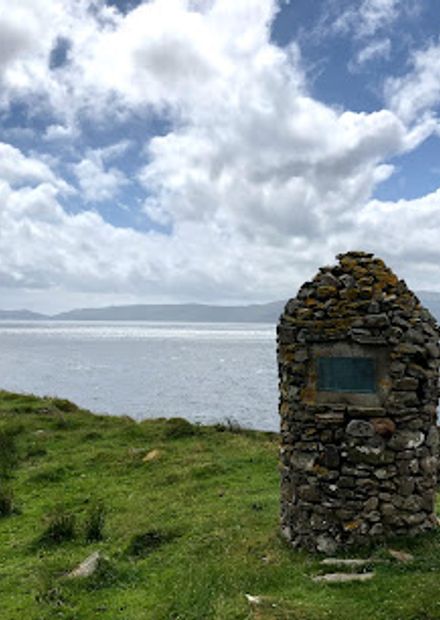
Mac Ewen Castle travel guide
Explore the evocative ruins of Mac Ewen Castle, a medieval stronghold of Clan MacEwen overlooking the serene Loch Fyne in Argyll, Scotland.
Tell me more about Mac Ewen CastleMore to explore near Mac Ewen Castle

 Best experiences near Mac Ewen Castle
 Best hotels near Mac Ewen Castle
 Best attractions near Mac Ewen Castle
 Best shops near Mac Ewen Castle
 Best bars near Mac Ewen Castle
 Best restaurants near Mac Ewen Castle
Explore more

Explore more of Argyllshire
Explore Argyllshire: A Scottish paradise of rugged coastlines, ancient castles, and charming villages, offering a blend of natural beauty and rich history.
Explore Argyllshire
Getting your guide ready…
We are putting together a fresh copy of the Mac Ewen Castle guide. This can take up to a minute.
This can take a few moments. If your browser asks, choose Allow so the download can start. You'll find the guide in your Downloads folder.
Nothing happened? Download it again
Sorry, the guide is taking longer than usual. Please try again in a minute, or get it by email instead.

