Best Landmarks Near Observation Point (London)
Planning a trip to Observation Point? Discover the best landmarks nearby with history, expert tips, and routes. Free on web or the Evendo app.


The best landmarks near Observation Point
- Top rated
- Closest to Observation Point
- Price level: low to high
- Time to spend: shortest first
- A–Z
76 landmarks
-
Plaza4.6★126,499 reviews
Trafalgar Square
Trafalgar Square stands as London's most iconic public plaza, a grand open space in Westminster that commemorates Britain's naval victory at the Battle of Trafalgar in 1805. Dominated by the towering Nelson's Column and guarded by four magnificent bronze lions, the square serves as a vibrant cultural and political hub. Surrounded by world-class institutions including the National Gallery and St Martin-in-the-Fields church, it remains a focal point for celebrations, demonstrations, and gatherings. Free to visit and accessible 24/7, Trafalgar Square blends rich history with contemporary energy, making it essential for any London visitor.
Time to spend 0.5–3 hrs
-
Shopping Centre4.6★110,695 reviews
Covent Garden
Covent Garden is London's vibrant West End hub, centered around a historic piazza alive with street performers, bustling markets, luxury shops, and cultural gems like the Royal Opera House. Once a fruit and vegetable market, it now blends heritage with modern entertainment, dining, and festive magic, drawing visitors to its cobbled streets and lively atmosphere year-round.
Time to spend 1–3 hrs
-
Cultural landmark4.5★67,349 reviews
Big Ben
Dominating the north end of the Palace of Westminster, Elizabeth Tower – popularly known as Big Ben – is London’s most iconic clock tower. Completed in 1859 in Gothic Revival style, it houses the Great Clock of Westminster and the Great Bell, whose deep chime has become a symbol of the United Kingdom. Though officially renamed in 2012 to honour Queen Elizabeth II’s Diamond Jubilee, the nickname Big Ben endures worldwide as a synonym for the tower itself. The structure stands 96 metres tall, with four clock faces made from hundreds of glass panes, and remains a powerful emblem of British history, engineering, and parliamentary democracy.
Time to spend 0.5–2 hrs
-
Cathedral4.7★44,132 reviews
St. Paul's Cathedral
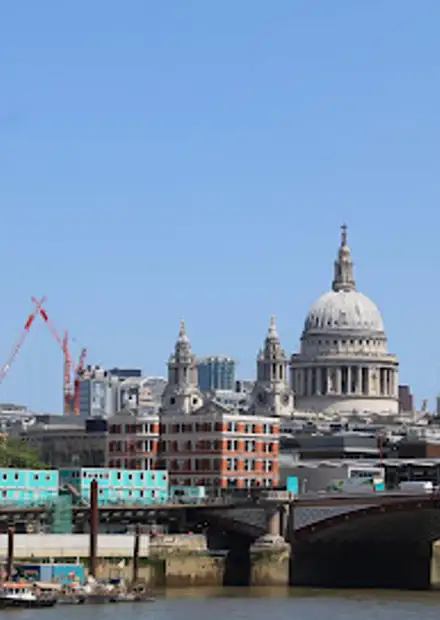
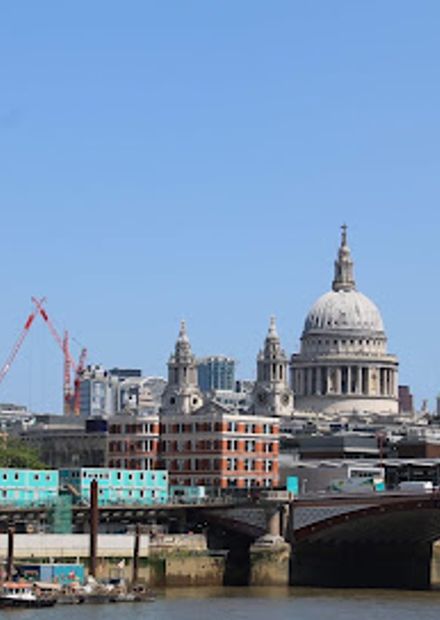
St. Paul's Cathedral, a stunning Baroque Anglican cathedral designed by Sir Christopher Wren, stands as one of London's most iconic landmarks. With a history spanning over 1400 years, its majestic dome dominates the London skyline. Visitors can explore its rich heritage, impressive architecture, and panoramic views from the Golden Gallery 85 meters above the floor. The cathedral remains an active place of worship and a symbol of resilience in the heart of London.
Price level $$Time to spend 1.5–2.5 hrs
-
Bridge4.6★15,701 reviews
Millennium Bridge
London’s first new pedestrian bridge in over a century, the Millennium Bridge is a sleek, blade‑like crossing that links St Paul’s Cathedral with Tate Modern across the River Thames. Nicknamed the 'Wobbly Bridge' after its opening‑day sway, it was later stabilised with hidden dampers and now offers one of the city’s most cinematic riverside walks. The bridge frames iconic views of the London skyline and is a favourite for photographers and casual strollers alike.
Time to spend 0.2–1 hr
-
Bridge4.6★10,295 reviews
Westminster Bridge
Westminster Bridge is a historic road and pedestrian bridge spanning the River Thames in London, linking Westminster with Lambeth. Opened in 1862 and designed by Thomas Page with Gothic detailing by Charles Barry, it features seven cast-iron arches painted green to echo the House of Commons seats. The bridge offers spectacular panoramic views of landmarks like Big Ben, the Houses of Parliament, and the London Eye, making it a must-visit for sightseeing and photography.
Open 24 hoursTime to spend 0.5–2 hrs
-
Government office4.6★4,392 reviews
Palace of Westminster
The iconic seat of British Parliament and one of the world's most recognizable buildings, the Palace of Westminster stands as a masterpiece of Neo-Gothic architecture along the River Thames. Home to the House of Commons and House of Lords, this working government building blends nearly 1,000 years of history with Victorian grandeur. Visitors can explore Westminster Hall's medieval hammer-beam roof, ornate chambers, and gilded corridors through guided or self-guided audio tours, gaining insight into the machinery of British democracy and the ceremonies that define the monarchy.
Price level $$Time to spend 1.5–2.5 hrs
-
Bridge4.4★1,190 reviews
Blackfriars Bridge
Blackfriars Bridge, spanning the River Thames in London, is a striking wrought-iron structure opened by Queen Victoria in 1869. It replaced an earlier 1769 stone bridge and stands as the widest bridge over the Thames in London today. Rich in history, the bridge connects the City of London with Southwark, marked by its distinctive red, white, and gold colors and iconic pulpit-shaped piers referencing the medieval Blackfriars monastery once nearby.
Open 24 hoursTime to spend 0.5–2 hrs
-
Historical landmark4.6★1,040 reviews
County Hall
County Hall is a grand Edwardian Baroque landmark on London's South Bank, opposite the Houses of Parliament. Once the seat of London’s local government, it now hosts cultural venues, a luxury hotel, and the London Aquarium. Its iconic riverside location offers stunning views of Big Ben, the London Eye, and the Thames, blending rich history with modern leisure and entertainment.
Price level $$Time to spend 1–4 hrs
-
Historical place4.5★990 reviews
Admiralty Arch
Admiralty Arch is a grand Edwardian monument located on The Mall in London, serving as the ceremonial gateway between Trafalgar Square and Buckingham Palace. Commissioned by King Edward VII in memory of Queen Victoria and completed in 1912, it features five majestic arches and neoclassical design by Sir Aston Webb. Historically, it housed Admiralty offices and the residence of the First Sea Lord, playing a vital role in British naval and governmental affairs. Today, it stands as a symbol of British imperial grandeur and royal tradition.
Time to spend 0.5–2 hrs


Southwark Bridge
Spanning the Thames between the City and Southwark, Southwark Bridge is a striking steel-arched crossing opened in 1921. Designed by Sir Ernest George and engineer Basil Mott, it replaced an earlier cast-iron structure and now forms part of London’s illuminated river landscape. Its five elegant spans and green-and-yellow detailing make it a distinctive, photogenic link between Bankside and the City, popular with pedestrians and cyclists enjoying views of St Paul’s and the river.
Open 24 hoursTime to spend 0.2–1 hr

The Cenotaph
Standing solemnly in the heart of London on Whitehall, The Cenotaph is the United Kingdom’s national war memorial, dedicated to the fallen of the First and Second World Wars and later conflicts. Designed by Sir Edwin Lutyens and unveiled in 1920, this austere Portland stone monument bears the simple inscription ‘The Glorious Dead’ and serves as the focal point of the annual National Service of Remembrance. Its stark, secular form invites quiet reflection and has become a powerful symbol of national sacrifice and remembrance.
Open 24 hoursTime to spend 0.2–1 hr

Sir Winston Churchill statue
The statue of Sir Winston Churchill in Parliament Square is a prominent bronze sculpture commemorating Britain’s iconic wartime Prime Minister. Standing 12 feet tall on an 8-foot plinth, it depicts Churchill in his military greatcoat with a walking stick, facing the Palace of Westminster. Unveiled in 1973 by his widow Clementine Churchill, the statue is a significant historical landmark symbolizing resilience and leadership during World War II.
Open 24 hoursTime to spend 0.5–1.5 hrs

Charing Cross
Charing Cross is a historic Victorian railway station located on the Strand in central London, serving as a major transport hub connecting the West End with the rest of the capital. Built in the mid-19th century, this iconic station features a distinctive forecourt crowned by the Eleanor Cross, a replica of the medieval monument that marks the traditional centre of London. The station offers excellent connectivity via the Northern and Bakerloo lines, making it an essential gateway for exploring the cultural and commercial heart of London.
Time to spend 0.2–1.5 hrs

10 Downing Street
The iconic official residence and office of the Prime Minister of the United Kingdom, located in the heart of Westminster. This modest-looking Georgian terraced townhouse has been home to British leaders since 1735 and stands as one of the world's most recognizable addresses. Behind its famous black door lies centuries of political history, from wartime speeches to pivotal government decisions that have shaped the nation and the world.
Time to spend 0.2–1 hr
St Bride's Church, Fleet Street
St Bride's Church on Fleet Street in London is a historic Anglican church famously known as the 'Journalists' Church' and for its iconic tiered wedding cake–inspired spire. Originally founded in the 6th century and rebuilt by Sir Christopher Wren after the Great Fire of London in 1666, it has deep ties to the printing and newspaper industries. The church crypt reveals Roman remains and layers of London's history, while memorials honor journalists worldwide.
Time to spend 0.5–2 hrs

Horse Guards Parade
Horse Guards Parade is a vast historic parade ground located in central London near Whitehall and St James’s Park. Known for its grand military ceremonies including the iconic Changing of the Guard and Trooping the Colour, this site has been a focal point of British royal and military tradition since the 16th century. Surrounded by significant buildings and adorned with imperial statues, it offers visitors a glimpse into centuries of British history and pageantry.
Daily 11:00–16:00Time to spend 0.5–2 hrs

St Clement Danes Church
St Clement Danes Church, located on the Strand in London, is a historic Anglican church designed by Sir Christopher Wren and rebuilt in 1682. It is famed as the Central Church of the Royal Air Force, serving as a memorial shrine to RAF personnel who died in service. The church’s iconic bells play the tune from the nursery rhyme 'Oranges and Lemons,' and its interior features over 1,000 RAF squadron badges carved in Welsh slate. The church was heavily damaged during WWII and restored by the RAF, reopening in 1958.
Mon–Fri 10:00–16:00 · Sat–Sun 10:00–15:00Time to spend 0.5–2 hrs

Nelson's Column
Nelson's Column is a towering monument in Trafalgar Square, London, commemorating Admiral Horatio Nelson's victory and sacrifice at the 1805 Battle of Trafalgar. Standing 52 meters tall, the granite column supports a 5.5-meter sandstone statue of Nelson, surrounded by four bronze lions and reliefs depicting his naval battles. Erected between 1840 and 1843, it remains a symbol of British naval prowess and a focal point for public gatherings and celebrations.
Open 24 hoursTime to spend 0.5–1.5 hrs

Westminster Hall
Westminster Hall, built in 1097, is the oldest surviving part of the Palace of Westminster and a masterpiece of medieval architecture. Renowned for its vast hammer-beam oak roof, it has hosted pivotal events in British history, from royal coronation banquets to landmark trials and state ceremonies. Situated in central London beside the River Thames, the hall remains a powerful symbol of monarchy, democracy, and the nation’s heritage.
Price level $$Time to spend 1–2 hrs

The Women of World War II
The Women of World War II Monument is a striking bronze memorial located on Whitehall in central London, near the Cenotaph. Unveiled in 2005 by Queen Elizabeth II, it honors the over seven million British women who contributed to the war effort in a wide range of roles, from military service to factory work. The monument features 17 sculpted uniforms and helmets hanging as if on a coat rack, symbolizing the diverse roles women played during the Second World War.
Open 24 hoursTime to spend 0.2–1 hr

Guards Memorial
The Guards Memorial, located at 69 Horse Guards Road in London, commemorates the 14,000 Guardsmen who died in World War I. Unveiled in 1926, this solemn monument features five life-sized bronze statues representing the five Guards regiments, set against a stone cenotaph adorned with detailed bronze relief panels. It stands prominently opposite Horse Guards Parade, offering a place of reflection amidst London's historic ceremonial district.
Open 24 hoursTime to spend 0.5–1.5 hrs

Sir William Wallace Memorial
A dignified stone memorial on the wall of St Bartholomew's Hospital in Smithfield, honouring the Scottish patriot Sir William Wallace, who was executed nearby on 23 August 1305. Erected in 1956, this Grade II-listed shrine bears Latin and Gaelic inscriptions celebrating freedom and Scottish independence. The memorial receives flowers and tributes year-round, particularly around the anniversary of Wallace's death, making it a poignant reminder of medieval London's turbulent history and Scotland's struggle for liberty.
Open 24 hoursTime to spend 0.2–1 hr

Agatha Christie memorial
Situated in the heart of London's vibrant Covent Garden theatre district, the Agatha Christie Memorial honors the legendary British author known as the Queen of Crime. Unveiled in 2012, this striking bronze sculpture by Ben Twiston-Davies is shaped like a giant leather-bound book featuring a bust of Christie and motifs from her famous works, reflecting her immense contribution to literature and theatre.
Open 24 hoursTime to spend 0.2–1 hr

Strand
The Strand is a historic thoroughfare in central London's West End, stretching over three-quarters of a mile from Trafalgar Square to Temple Bar. This iconic street connects Westminster's political heart with the City's financial district, lined with world-class theatres, grand hotels, museums, and cultural institutions. Once home to celebrated writers and nobles, the Strand remains a vibrant hub of activity, offering theatre performances, fine dining, shopping, and centuries of layered history alongside contemporary London energy.
Price level $$Time to spend 1.5–4 hrs

The National Firefighters Memorial
Located on Carter Lane near Peter's Hill in London, The National Firefighters Memorial honors the bravery and sacrifice of firefighters across the United Kingdom. Featuring three bronze statues depicting firefighters in action during the Blitz of World War II, the memorial commemorates those who lost their lives in both wartime and peacetime service. Unveiled in 1991 and rededicated in 2003, it stands as a solemn tribute to courage and resilience.
Open 24 hoursTime to spend 0.5–1.5 hrs

Queen Anne Statue
The Queen Anne Statue in St. Paul's Churchyard, London, is a historic landmark commemorating the completion of St. Paul's Cathedral after the Great Fire of London. Originally erected in 1712 by sculptor Francis Bird, the current statue is a faithful 1886 replica replacing the deteriorated original. The statue features Queen Anne adorned with regal symbols and four allegorical female figures representing Britannia, France, America, and Ireland at its base.
Open 24 hoursTime to spend 0.2–1.5 hrs

Temple Bar London
Temple Bar is the sole surviving historic gateway to the City of London, originally marking the boundary between the City and Westminster. Rebuilt by Sir Christopher Wren in 1672 from Portland stone, it has witnessed royal processions, grim displays of justice, and centuries of civic ceremony. After removal in 1878 to ease traffic, it was painstakingly restored and re-erected in Paternoster Square near St Paul's Cathedral in 2004, where it stands as a Grade I listed monument and venue for fine dining and events.
Price level $$Time to spend 0.5–2 hrs

Mary Poppins Statue
A bronze statue of Mary Poppins captured mid-flight with her iconic umbrella raised, located in Leicester Square's gardens. Installed in February 2020 as part of the Scenes in the Square trail celebrating a century of cinema, this whimsical sculpture depicts the beloved nanny from the 1964 Disney film. Positioned on a low plinth among flower beds near the Lego Store, the statue has become a beloved photo spot for film enthusiasts and families alike, offering a nostalgic tribute to one of cinema's most enchanting characters.
Open 24 hoursTime to spend 0.2–1.5 hrs

St Vedast alias Foster
A historic Anglican church in the City of London, St Vedast alias Foster stands as a testament to resilience and architectural heritage. Originally established in the 12th century and dedicated to a French saint, the church was rebuilt by Sir Christopher Wren following the Great Fire of 1666, then painstakingly restored after devastating bomb damage during World War II. Today, its striking baroque spire and carefully reconstructed interior offer visitors a profound connection to London's ecclesiastical past and wartime history.
Mon–Fri 10:00–15:00 · Sun 11:00–12:00Time to spend 0.5–1.5 hrs

South Bank Lion
The South Bank Lion is a majestic 13-ton Coade stone sculpture created in 1837 by William Frederick Woodington. Originally perched atop the Lion Brewery on the Lambeth bank of the Thames, it now stands proudly on a granite plinth at the south end of Westminster Bridge. This Grade II* listed landmark embodies London’s resilience and history, having survived brewery fires, demolition, and wartime symbolism, while captivating visitors with its glossy white presence overlooking the city.
Mon–Fri 7:00–23:00Time to spend 0.2–1 hr

Dover House
Dover House is a distinguished Grade I-listed neoclassical mansion located at 70 Whitehall, London. Originally built in the 1750s as a private townhouse for Sir Matthew Fetherstonhaugh, it has served aristocrats, diplomats, and now functions as the London headquarters of the Scotland Office. Its unique rotunda entrance hall and rich history make it a notable landmark within the government district.
Time to spend 0.5–1.5 hrs

Eleanor Cross
The Eleanor Cross at Charing is a Victorian-era replica of the grand medieval monument originally erected in the late 13th century by King Edward I to honor his wife, Queen Eleanor of Castile. Located in front of Charing Cross railway station, this ornate Gothic Revival cross commemorates the final resting place of Eleanor’s funeral procession and stands as a symbol of enduring love and medieval craftsmanship in central London.
Open 24 hoursTime to spend 0.5–1.5 hrs

Historic Seven Dials
Seven Dials is a unique historic area in London's Covent Garden, where seven streets converge around a central sundial pillar with six dials. Designed in the 1690s by Thomas Neale, the star-shaped layout maximized housing frontage and rental income. Once a notorious slum, it has transformed into a vibrant cultural and shopping district, retaining much of its original architecture and charm.
Daily 7:00–23:00Price level $$Time to spend 1–3 hrs

York Watergate
York Watergate, built circa 1626, is a striking Portland stone gateway originally serving as the riverside entrance to York House, the grand London residence of George Villiers, 1st Duke of Buckingham. Now located inland within Victoria Embankment Gardens, it stands as a rare surviving monument from the era before the Thames was embanked, marking the historic riverbank and the grandeur of 17th-century aristocratic London.
Open 24 hoursTime to spend 0.5–1.5 hrs
St Bartholomew's Gatehouse
St Bartholomew's Gatehouse, located at 57A West Smithfield in London, is a rare surviving Tudor timber-framed building dating from 1595. Built atop a 13th-century stone arch, it once served as the southern entrance to the nave of St Bartholomew-the-Great church. Remarkably spared from the Great Fire of London and revealed after WWI bomb damage, the Grade II listed gatehouse showcases historic wood paneling and heraldic ironwork, standing as a testament to London's rich medieval and Tudor heritage.
Daily 8:00–22:00Time to spend 0.2–1 hr
Temple Bar Memorial
Temple Bar Memorial in London marks the historic boundary between the City of London and Westminster. Originally a medieval gateway rebuilt by Sir Christopher Wren in the 17th century, the memorial stands where the original Temple Bar once guarded entry to the City. Featuring sculptures of Queen Victoria and Edward VII, and crowned by a dragon symbolizing the City, it commemorates centuries of London’s civic and royal history.
Open 24 hoursTime to spend 0.2–1 hr

Holborn Viaduct
Holborn Viaduct is a historic Victorian-era road bridge in London, completed in 1869 to span the steep valley of the River Fleet. It connects Holborn with the City of London, easing traffic flow and symbolizing 19th-century urban innovation. Adorned with ornate ironwork and bronze statues representing Commerce, Agriculture, Science, and Fine Arts, the viaduct remains a vital and architecturally significant part of London's transport network.
Time to spend 0.5–1.5 hrs
Obelisk Charles James Napier
A bronze statue of General Sir Charles James Napier (1782–1853) stands in Trafalgar Square, one of London's most iconic public spaces. Created by sculptor George Gammon Adams and unveiled in 1856, this monument was funded by public subscription, with private soldiers who served under Napier contributing notably. The statue depicts the general holding a scroll symbolizing his administration of Sindh and a sword held to his breast, commemorating his military achievements across the Napoleonic Wars, the War of 1812, and his controversial conquest of Sindh in India.
Open 24 hoursTime to spend 0.2–1.5 hrs

St Anne & St Agnes Church
A remarkable Grade I listed Anglican church tucked away on Gresham Street in the City of London, St Anne & St Agnes stands as a testament to resilience and architectural innovation. First documented in 1137, this uniquely double-dedicated church survived the Great Fire of 1666, devastating World War II bombing, and multiple reconstructions. Rebuilt by Sir Christopher Wren in 1680 with its distinctive Greek cross design, the church now serves as the VOCES8 Centre, home to a world-renowned vocal ensemble and educational charity. Its intimate interior, featuring a harmonious square-within-square layout and superb acoustics, offers visitors a serene escape from the bustling City streets.
Time to spend 0.5–1.5 hrs

Captain James Cook
A life-sized bronze statue of Captain James Cook stands near Admiralty Arch on The Mall in London, commemorating the legendary explorer and navigator who circumnavigated the globe. Sculpted by Sir Thomas Brock and unveiled in 1914, the statue depicts Cook in Royal Navy captain's uniform, standing with his foot on a coil of rope beside a capstan. The Grade II listed monument honours Cook's pioneering voyages across the Pacific Ocean and his role in charting the coasts of Australia, New Zealand, Canada, and Newfoundland.
Open 24 hoursTime to spend 0.2–1 hr

The Gurkha Soldier Statue
The Gurkha Soldier Statue on Horse Guards Avenue in London commemorates the bravery and loyalty of the Nepalese Gurkha regiments who have served the British Crown since the early 19th century. Sculpted by Philip Jackson and unveiled by Queen Elizabeth II in 1997, the statue stands as a powerful tribute to the Gurkhas’ military history and enduring spirit, located near the Ministry of Defence building and Horse Guards Parade.
Open 24 hoursTime to spend 0.2–1 hr

Old Admiralty Building
The Old Admiralty Building in London is a striking historic government office completed in 1905, once the administrative heart of the Royal Navy. Located on Whitehall near Horse Guards Parade, this Grade II listed red-brick and Portland stone building is renowned for its classical architectural details and rich naval history, including its role in World War II intelligence operations. Though interior access is limited, its grand exterior and proximity to iconic London landmarks make it a significant cultural and historical site.
Time to spend 0.5–1.5 hrs

Royal Tank Regiment Memorial Statue
The Royal Tank Regiment Memorial Statue in London is a striking bronze sculpture commemorating the valor of tank crews, especially those who served in World War II. Depicting the five-man crew of a Comet tank at 1½ times life size, it stands in Whitehall Court as a tribute to the regiment's history since 1916. Unveiled by Queen Elizabeth II in 2000, the memorial honors the men rather than the machines, with detailed figures capturing the spirit and equipment of the crew.
Open 24 hoursTime to spend 0.5–1.5 hrs

Sicilian Avenue
Sicilian Avenue is a Grade II listed Edwardian pedestrianized shopping street in Holborn, London, known for its distinctive neo-classical architecture featuring Ionic colonnades, terracotta dressings, and Italian marble accents. Designed by Robert Worley and completed in 1910, it offers a charming mix of shops and eateries tucked within historic red brick and white terracotta buildings, creating a serene Mediterranean-inspired retreat in the heart of the city.
Open 24 hoursPrice level $$Time to spend 0.5–2 hrs

Bomber Harris Memorial
The Bomber Harris Memorial in London honors Air Chief Marshal Sir Arthur Harris and the brave crews of RAF Bomber Command during World War II. Located at St Clement Danes Church on the Strand, this bronze statue commemorates the sacrifices of over 55,000 airmen who lost their lives in the cause of freedom. Unveiled in 1992 by the Queen Mother, the memorial stands as a poignant reminder of the wartime history and complex legacy of strategic bombing campaigns. It is set within a historic church that serves as a shrine to the Allied air forces.
Open 24 hoursTime to spend 0.5–1.5 hrs

George Duke of Cambridge statue
The equestrian statue of Prince George, Duke of Cambridge, is a life-size bronze memorial located prominently on Whitehall in Westminster, London. Sculpted by Adrian Jones and unveiled in 1907, it depicts the Duke in full Field Marshal uniform atop a majestic horse, commemorating his long military leadership as Commander-in-Chief of the British Army. The statue stands on a granite plinth adorned with bas-reliefs reflecting his military affiliations.
Open 24 hoursTime to spend 0.2–1 hr

Chindit Memorial
The Chindit Memorial in London honors the brave soldiers of the Chindits, a special forces unit that operated behind Japanese lines in Burma during World War II. Located in Victoria Embankment Gardens near the Ministry of Defence, the memorial features a tall Portland stone pillar topped with a bronze sculpture of the mythical Burmese guardian lion, the chinthe. It commemorates both the soldiers and their leader, Major General Orde Wingate, and became a Grade II listed building in 2020.
Open 24 hoursTime to spend 0.5–1 hr

King Charles Street Arch
The King Charles Street Arch is a striking historical landmark located at 100 Parliament Street in London. Completed in 1908 and designed by John McKean Brydon, this grand three-arched structure features intricate stonework and sculptural reliefs by William Silver Frith and Paul Raphael Montford. It serves as an imposing entrance to the courtyard of important government buildings, blending architectural grandeur with rich historical significance in the heart of Whitehall.
Time to spend 0.5–1.5 hrs

Victoria Embankment
Victoria Embankment is a historic road and riverside walkway along the north bank of the River Thames in central London. Built in the 1860s as part of a major Victorian engineering project led by Joseph Bazalgette, it transformed London’s sewage system while providing a scenic thoroughfare from Westminster to Blackfriars Bridge. Today, it features elegant gardens, iconic monuments like Cleopatra’s Needle, and stunning views of the Thames and landmarks such as the Houses of Parliament.
Time to spend 1–3 hrs

Royal Marines Memorial
The Royal Marines Memorial, a distinguished bronze sculpture by Adrian Jones, stands proudly on The Mall in London. Erected in 1903, it commemorates Royal Marines who died in the Boxer Rebellion in China and the Second Boer War in Africa. Featuring two dynamic figures on a Portland stone plinth with detailed bronze reliefs and inscriptions, the memorial honors the courage and sacrifice of these servicemen. It was rededicated in 2000 as the national monument for the Royal Marines.
Sat–Sun 8:00–18:00Time to spend 0.2–1 hr

Henry Fawcett Monument
The Henry Fawcett Memorial is a Grade II listed Victorian fountain located in London's Victoria Embankment Gardens. Erected in 1886, it commemorates Henry Fawcett, a pioneering blind politician and social reformer who championed women's suffrage and postal reforms. The memorial features intricate terracotta bas-reliefs and serves as a serene tribute within a tranquil garden setting near central London landmarks.
Open 24 hoursTime to spend 0.5–1.5 hrs

John Wilkes statue
Standing at the junction of Fetter Lane and New Fetter Lane in London, this 1988 bronze statue honours John Wilkes, the fiery 18th-century politician, MP, and Lord Mayor of London. Depicted in 18th-century dress as if delivering a speech, the statue captures Wilkes’s distinctive squint, a feature faithfully reproduced by sculptor James Butler. Located in the heart of the City, it’s a quiet but striking tribute to a controversial champion of liberty and press freedom, easily overlooked amid the surrounding legal and financial district.
Open 24 hoursTime to spend 15–30 min

Richard D’Oyly Carte Monument
The Richard D’Oyly Carte Monument on Victoria Embankment in London commemorates the influential theatre impresario and hotelier who founded the Savoy Theatre and the Savoy Hotel. This distinctive memorial, shaped as an armillary sphere, celebrates Carte’s legacy in British musical theatre and hospitality, standing amidst the scenic gardens along the Thames riverfront.
Open 24 hoursTime to spend 0.5–1.5 hrs

King's Reach commemoration memorial
The King's Reach Commemoration Memorial in London honors the Silver Jubilee of King George V, marking 25 years of his reign in 1935. Situated on the Victoria Embankment near Temple Stairs, this historical landmark features a plaque and sculptural elements that celebrate the naming of this stretch of the River Thames as 'King's Reach' by the Port of London Authority. The memorial stands as a tribute to the king's legacy and the importance of the river in London's history.
Open 24 hoursTime to spend 0.5–1.5 hrs

Prince Henry's Room
Prince Henry's Room at 17 Fleet Street is a rare surviving Jacobean timber-framed building in the City of London, dating back to 1610. Once a tavern named The Prince's Arms, it features a richly decorated plaster ceiling with the Prince of Wales's feathers and original oak panelling. Though closed to the public, its exquisite façade and historical significance as a pre-Great Fire survivor remain captivating.
Time to spend 0.5–1.5 hrs

King Charles Street
King Charles Street in London’s Westminster district is a historically significant government hub, home to iconic buildings like the Foreign and Commonwealth Office and HM Treasury. Renowned for its grand Victorian and Edwardian architecture, the street links key government departments and features notable landmarks such as the Grade I listed Foreign Office building designed by Sir George Gilbert Scott. This area embodies centuries of British political history and architectural grandeur.
Time to spend 0.5–2 hrs

The Old Watch House
The Old Watch House at 4 Strand, London, is a historic parish watch house dating back to at least the early 18th century. Originally used by local watchmen before the establishment of the Metropolitan Police in 1829, it served as a small lock-up and base for patrolling the area. Now part of King’s College London’s campus, this Grade II listed building retains its quaint façade and balcony, offering a glimpse into London’s early policing and community safety history.
Time to spend 0.5–1.5 hrs

Major-General Lord Cheylesmore Monument
The Major-General Lord Cheylesmore Monument is a Grade II listed stone memorial located in Victoria Embankment Gardens, London. Designed by renowned architect Edwin Lutyens and unveiled in 1930, it honors Herbert Eaton, 3rd Baron Cheylesmore, a British Army officer, administrator, and philanthropist. The memorial features Portland stone construction, a decorative screen with seating, and a small pond, offering a tranquil spot amidst the historic gardens near central London landmarks.
Open 24 hoursTime to spend 0.5–1.5 hrs

Plaque: David Garrick
This historical plaque at 27 Southampton Street in London honors David Garrick, the influential 18th-century English actor, playwright, and theatre manager. Garrick revolutionized acting with his naturalistic style and managed the prestigious Drury Lane Theatre, shaping British theatre for decades. The plaque marks a site connected to his legacy in the heart of London’s theatre district.
Open 24 hoursTime to spend 15–30 min

South Bank Community Area
South Bank Community Area is a vibrant riverside district in central London along the southern bank of the River Thames. Known for its rich cultural scene, it hosts iconic landmarks such as the London Eye, Southbank Centre, National Theatre, and the SEA LIFE London Aquarium. The area blends historic charm with contemporary arts, green spaces, and lively entertainment, making it a dynamic hub for visitors and residents alike.
Price level $$Time to spend 1–4 hrs

Waterloo Bridge
Waterloo Bridge is a historic and architecturally significant crossing over the River Thames in London, famed for its elegant design, rich history, and the unique role women played in its wartime construction. Originally opened in 1817 to commemorate the Battle of Waterloo, the current bridge was built during World War II and is celebrated for its resilience, stunning river views, and cultural significance.
Time to spend 0.5–2 hrs

Roupell St
Roupell Street is a beautifully preserved Georgian conservation area in Lambeth, London, featuring rows of distinctive worker's cottages dating back to the 1820s. This time-capsule enclave of sooty brick terraces with brightly painted doors and period details has miraculously survived the Blitz and modern development. Located just steps from Waterloo Station, it remains one of London's most atmospheric and frequently filmed streets, beloved by photographers and history enthusiasts seeking an authentic glimpse of 19th-century London life.
Time to spend 0.5–2 hrs

Hare Pl
Hare Place, nestled within the Temple district of London, is a historic and atmospheric enclave famed for its deep-rooted connections to the legal profession. Surrounded by iconic barristers' chambers such as Hare Court, this area combines centuries-old architecture with tranquil gardens and narrow lanes, offering a unique glimpse into London's legal heritage and the enduring legacy of the Knights Templar.
Time to spend 0.5–2 hrs

Ludgate Circus
Ludgate Circus is a major traffic junction in the City of London where Fleet Street meets Ludgate Hill, Farringdon Street and New Bridge Street. Though now a busy urban crossroads, it marks the site of Ludgate, one of the original gates in the Roman and medieval London Wall. The name recalls the mythical King Lud, said to have rebuilt London in ancient times. Today, the area is a historic hub near St Paul’s Cathedral, Fleet Street’s legal and media district, and the old Fleet River, with subtle reminders of its past embedded in architecture and sculpture.
Time to spend 0.2–1 hr

John Adam St & Adam St
John Adam Street & Adam Street lie in London's historic Adelphi district, a pioneering neoclassical development by the Adam brothers in the late 18th century. This area, once a dilapidated riverside slum, was transformed into elegant terraces and vaulted wharves with innovative subterranean roadways. Though much of the original architecture was replaced by the 1930s Art Deco Adelphi building, surviving structures and streets preserve the Adams’ architectural and cultural heritage in central London’s vibrant riverside quarter.
Time to spend 0.5–2 hrs

Embankment Pl
Embankment Place is a striking postmodern office and shopping complex in central London, developed between 1986 and 1990 above Charing Cross railway station. Located at the confluence of the River Thames and the city's vibrant West End, this architectural landmark sits at the heart of London's cultural and commercial district. The complex gained additional fame as a filming location in the James Bond film Skyfall, where its entrance served as the exterior of Embankment Underground station. Today, it remains a bustling hub connecting rail, tube, and river transport while offering retail and dining experiences.
Time to spend 0.5–3 hrs

Bow St
Bow Street in London’s Covent Garden is a street steeped in history, known for its 17th-century origins, association with the pioneering Bow Street Runners police force, and its role in the theatrical life of the city. Once home to notable residents and infamous for its mix of markets, brothels, and theatres, Bow Street today reflects a rich cultural heritage amid modern urban life.
Time to spend 0.5–2 hrs

Westminster Bridge Rd
Westminster Bridge Road is a historic east-west thoroughfare in central London, stretching through the boroughs of Lambeth and Southwark. This iconic street connects Westminster on the west side to Lambeth on the east, serving as a vital artery in London's South Bank district. The road passes beneath Waterloo station's railway viaduct and intersects with major transport hubs including Lambeth North Underground station. Home to significant landmarks including the Florence Nightingale Museum at St Thomas' Hospital and the historic Westminster Bridge itself, the street offers excellent access to cultural attractions, restaurants, and shops. The area is characterized by its blend of historic architecture and modern development, with numerous office spaces, co-working facilities, and hospitality venues lining the route.
Time to spend 1–3 hrs

St Martin-in-the-Fields Church Path
A magnificent neoclassical church anchoring the northeast corner of Trafalgar Square, St Martin-in-the-Fields stands as one of Britain's most influential ecclesiastical buildings. Designed by James Gibbs and completed in 1726, this Grade I listed landmark has served as an active parish church, concert venue, and social hub for nearly three centuries. Its elegant Georgian architecture, featuring a distinctive central steeple and classical portico, has inspired church designs across the English-speaking world. Beyond its architectural significance, the church remains deeply embedded in London's cultural and social fabric, hosting classical music performances, offering sanctuary to those in need, and pioneering innovative community services.
Time to spend 0.8–2.5 hrs
Bankside
Bankside is a vibrant riverside district in South London stretching along the Thames between Blackfriars and London Bridge. Home to the world-renowned Tate Modern, Shakespeare's Globe Theatre, and historic pubs, this cultural hub blends art, history, and contemporary London. The area offers free access to one of the world's largest modern art collections, stunning river views, award-winning restaurants, and a lively atmosphere that attracts millions of visitors annually.
Time to spend 2–6 hrs
16-18 Whitehall
16-18 Whitehall in London stands on the site of the former Palace of Whitehall, once the largest royal residence in Europe and the centre of English monarchy from the 16th to 17th centuries. Today, only the Banqueting House remains from the original palace complex, a masterpiece of Palladian architecture designed by Inigo Jones. This location blends the rich history of Tudor and Stuart monarchs with the modern seat of British government.
Price level $$Time to spend 1–2.5 hrs

190 High Holborn
A prominent 1970s office tower at a key junction in central London, designed by architect Richard Seifert and clad in dark red granite. Occupying a large corner site on High Holborn, it forms part of the city’s post-war commercial skyline and benefits from proximity to major transport links and central districts like Holborn, Covent Garden and Soho. While primarily a working office building, its scale and location make it a notable urban landmark in the area.
Time to spend 15–30 min

Watling St
Watling Street in London is a historic route originally used by ancient Britons and extensively paved by the Romans after their invasion in AD 43. This road served as a vital military and trade artery, linking London with key Roman settlements and playing a pivotal role in events such as the Battle of Watling Street, where Roman forces defeated Queen Boudica’s rebellion. Today, parts of Watling Street remain integrated into modern roads, preserving its legacy as a foundational route through England’s history.
Time to spend 0.5–2 hrs

Bridge St
Bridge Street is a historic and vibrant thoroughfare in central London, situated adjacent to the iconic London Bridge. It links the City of London with Southwark and offers a unique blend of historic architecture and modern urban life. Visitors can enjoy scenic views of the River Thames, explore nearby landmarks like St Magnus-the-Martyr and Southwark Cathedral, and experience a lively atmosphere enriched by cafes, shops, and cultural venues.
Price level $$Time to spend 0.5–2 hrs

10 Downing St
The iconic official residence and office of the British Prime Minister since 1735, 10 Downing Street is a Georgian townhouse of immense historical significance located in Westminster, London. Behind its famous black door, this deceptively modest-looking building has witnessed centuries of pivotal moments in British governance, from wartime speeches to landmark political decisions. Though not open to the general public, the building remains one of the world's most recognizable addresses and a powerful symbol of British democracy and political power.
Time to spend 0.2–1 hr
Explore Observation Point on the map
A handpicked selection of must-see spots near Observation Point, mapped for you.
More about Observation Point
More to explore near Observation Point

 Best experiences near Observation Point
 Best hotels near Observation Point
 Best attractions near Observation Point
 Best shops near Observation Point
 Best bars near Observation Point
 Best restaurants near Observation Point
Explore more


Getting your guide ready…
We are putting together a fresh copy of the Observation Point guide. This can take up to a minute.
This can take a few moments. If your browser asks, choose Allow so the download can start. You'll find the guide in your Downloads folder.
Nothing happened? Download it again
Sorry, the guide is taking longer than usual. Please try again in a minute, or get it by email instead.