
All Landmarks near Old Cemetery
Discover the landmarks near Old Cemetery. Find inspiration for your trip with our curated list of top-rated spots, local favorites, and hidden gems.
- Home
- Travel Guides
- Denmark
- Kolding
- Old Cemetery
- Landmarks near Old Cemetery
Explore all Landmarks near Old Cemetery
-
Abbey Mill
Medieval monastery and paper mill heritage amid Denmark's largest lake and pristine forests.
Klostermøllevej 48, 8660 Skanderborg4.4Very Good 528 Reviews -
Albue Fuglekøje
A preserved 1880s duck decoy museum showcasing Denmark's unique waterfowl hunting heritage on tranquil Fanø island.
Albuevej 41, 6720 Fanø3.5Good 75 Reviews -
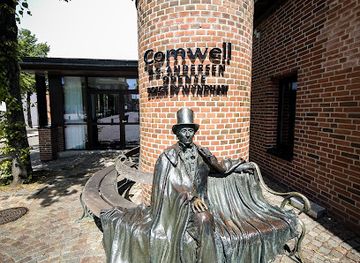
Andersen on the bench
A life-sized bronze Hans Christian Andersen sharing a city bench in Odense, inviting you to sit, linger and step briefly into the storyteller’s world.
Claus Bergs Gade 7, 5000 Odense4.8Excellent 11 Reviews -
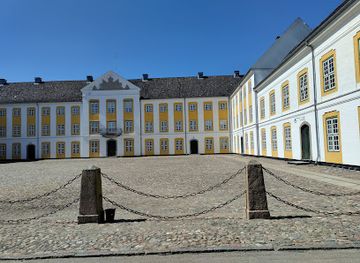
Augustenborg Palace
Denmark's largest baroque palace complex overlooking the fjord, where ducal history meets timeless gardens.
Augustenborg Slot, 6440 Augustenborg4.2Very Good 792 Reviews -
Befrielsessten i Vester Sottrup
A quiet stone marking Denmark's liberation and Vester Sottrup's wartime legacy.
Nybølvej 2, 6400 Sønderborg -
Begravet bunker
A preserved German WWII bunker revealing the hidden lives of occupation soldiers beneath Danish soil.
Spangsbjerg Møllevej 44A, 6700 Esbjerg -
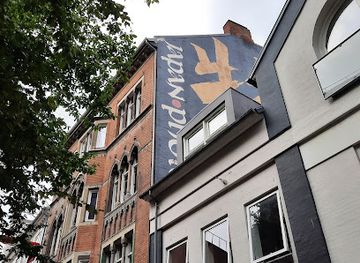
Bolbro vartegn
A bold neighbourhood landmark celebrating Bolbro's vibrant community identity in western Odense.
Middelfartvej 129, 5200 Odense -
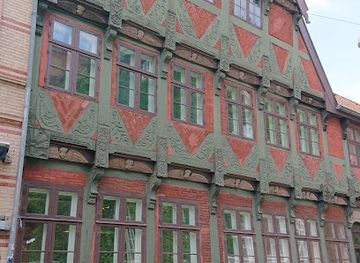
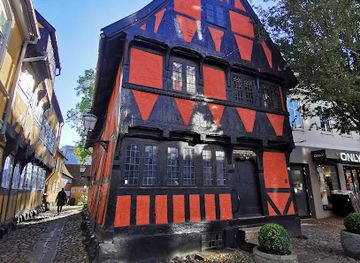
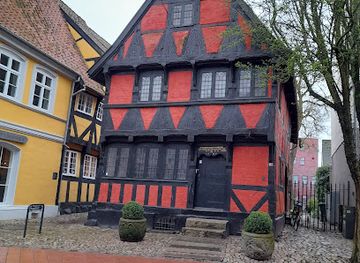
Borchs Gård
A vividly painted Renaissance townhouse from 1595, Borchs Gård brings Kolding’s mercantile past to life on the edge of lively Akseltorv square.
Borchs Gård, 6000 Kolding -
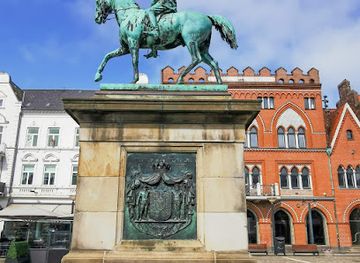
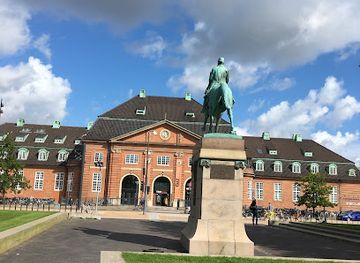
Christian IX statue, Esbjerg
Historic equestrian monument and central meeting point on Esbjerg’s main square, celebrating the king who founded Denmark’s youngest major North Sea port.
Torvet 12, 6700 Esbjerg4.3Very Good 244 Reviews -
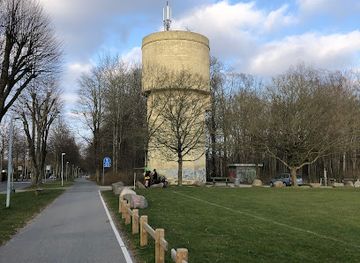
Det gamle vandtårn
A striking red-brick monument to Odense's industrial heritage and early 20th-century urban modernization.
Dalumgårds Alle 40A, 5250 Odense4.1Very Good 14 Reviews -
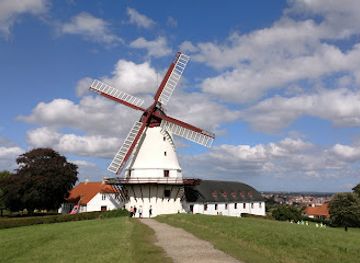
Dybbøl Mill
Denmark's most iconic symbol of resilience, rebuilt twice from wartime destruction and standing as a monument to national identity.
Dybbøl Banke 7, 6400 Sønderborg4.4Very Good 530 Reviews -
Ejer Bavnehøj
A modest Danish hill with a mighty horizon, Ejer Bavnehøj blends reunification history, beacon legends and big-sky views into an easy, rewarding countryside stop.
Ejer Bavnehøjvej 4, 8660 Skanderborg4.3Very Good 1,715 Reviews -
Ejerbavnehøj MØDESTED
Denmark's third-highest peak crowned by a 1924 monument to national reunification, offering panoramic views and historic significance.
Østjyske Motorvej 545, 8660 Skanderborg3.9Good 8 Reviews -
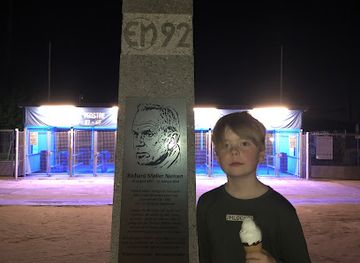
EM-statue-1992 (Richard Møller Nielsen)
Small in size but huge in symbolism, this Odense statue honours the local coach who led Denmark to its unforgettable Euro 1992 triumph.
5200 Odense3.0Average 1 Reviews -
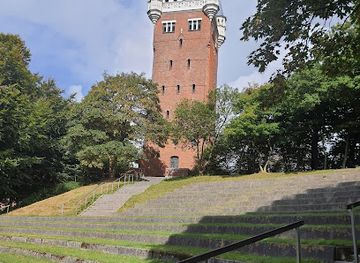
Esbjerg Water Tower
Historic red-brick water tower on a Bronze Age mound overlooking Esbjerg’s harbour, blending medieval-inspired architecture with the story of a young, ambitious port city.
Havnegade 22, 6700 Esbjerg4.1Very Good 146 Reviews -
Faldne fra Sønderjyske Krige, Ribe
A solemn memorial to soldiers lost in Denmark's 19th-century Schleswig Wars, set in historic medieval Ribe.
Sct Catharinæ Pl. 1, 6760 Ribe4.5Excellent 6 Reviews -
FanøFærgen, Esbjerg
Compact harbor terminal in Esbjerg serving the fast 12‑minute Fanø ferry, linking mainland bustle with island calm in the Wadden Sea UNESCO landscape.
Dokvej 5, 6700 Esbjerg Kommune3.7Good 125 Reviews -
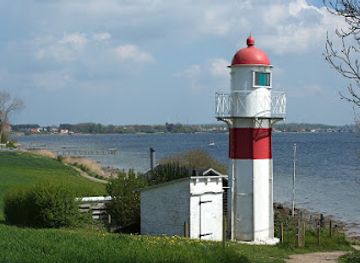
Forfyr Rinkenæs
Historic lighthouse overlooking Flensborg Fjord—serene coastal views, exceptional birdwatching, and windswept natural beauty.
Ved Fyret 7, 6300 Gråsten4.3Very Good 78 Reviews -
Fredericia Vold
Northern Europe's best-preserved fortress ramparts, where 370 years of Danish military history meets urban parkland.
Nørre Voldgade 18, 7000 Fredericia4.7Excellent 256 Reviews -
Galgebakken
Denmark's haunting reminder of the witch hunts that claimed eleven lives in Ribe between 1572 and 1652.
Jernkærvej 1, 6760 Ribe -
Genforeningsmærke på Dybbøl Skanse II
Memorial marker honoring Danish reunification and the 1864 battle's fallen defenders on a historic fortification site.
Grønnekærvej 1, 6400 Sønderborg -
Genforeningssten i Sønderborg
A granite monument celebrating Denmark's 1920 reunification, quarried from island cliffs and raised by hand.
Slotsbakken 8, 6400 Sønderborg5.0Excellent 1 Reviews -
Genforeningssten på Ejer Bavnehøj
Denmark's third-highest point crowned with a monumental 1920 reunification memorial and iconic tower.
Ejer Bavnehøjvej 3, 8660 Skanderborg -
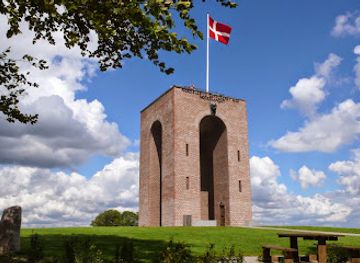
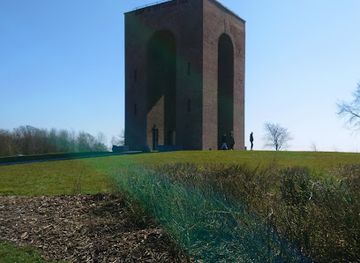
Genforeningstårn på Ejer Bavnehøj
Denmark's third-highest peak crowned by a historic 1924 tower with sweeping views across moraine landscape and distant islands.
Ejer Bavnehøjvej 4, 8660 Skanderborg5.0Excellent 5 Reviews -
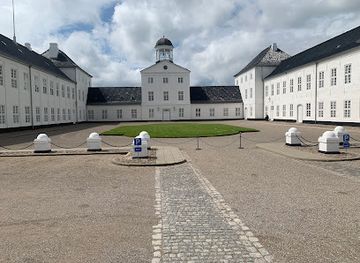
Gråsten Palace
A lived‑in royal summer palace with romantic lakeside gardens, a lavish Baroque church and centuries of Danish history quietly unfolding in southern Jutland.
Slotsbakken, 6300 Gråsten4.5Excellent 2,342 Reviews -
H. C. Andersen skulptur i havnen
A submerged bronze protest against bureaucracy, honouring Denmark's greatest storyteller beneath the harbour.
Odense Fjord4.6Excellent 12 Reviews -
Havegærde Af Hvalunderkæber
An 18th‑century garden fence built from towering whale jawbones, this tiny roadside stop on Rømø tells a big story about the island’s Arctic whaling past.
Juvrevej 82, 6792 Rømø4.5Excellent 2 Reviews -
Helligkorsgade 18
Denmark's rarest medieval townhouse, where 437 years of history meet contemporary art.
Helligkorsgade 18, 6000 Kolding4.6Excellent 66 Reviews -
Jelling Mounds, Runic Stones and Church
Viking earthworks, royal runestones and a modest village church come together in Jelling to mark the moment Denmark named itself and embraced Christianity.
Thyrasvej 1, 7300 Jelling4.6Excellent 3,195 Reviews -
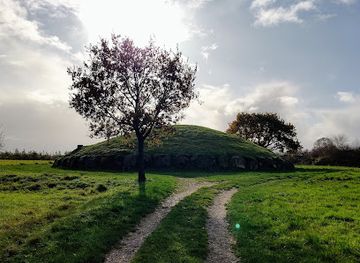
Jættestuen grønhøj
5.000 år gammel jættestue midt i det østjyske kulturlandskab – et stille møde mellem bondestenalderens stenkonstruktioner, skov, marker og Bygholm Sø.
8700 Horsens4.5Excellent 37 Reviews -
Kammerslusen Clay Excavations
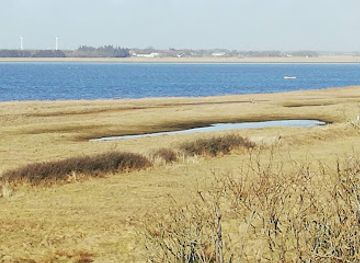
Historic tidal lock and birdwatching haven where Danish engineering meets the wild Wadden Sea.
6760 Ribe -

King's Redoubt
A preserved 1864 military fortress symbolizing Danish resilience and regional heritage.
6400 Sønderborg -
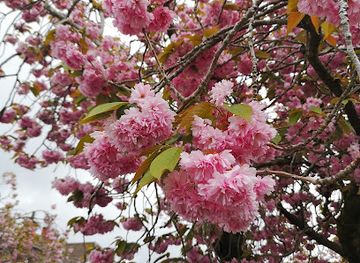
Kirsebærtræer, Ny Kongevej
Odense's longest cherry blossom avenue, where community passion transforms a neighborhood street into springtime magic.
Ny Kongevej, 5000 Odense C5.0Excellent 2 Reviews -
Kolding St.
The compact rail and bus hub that delivers you straight into Kolding’s mix of castle-topped history, cobbled streets and fjord-side modern design.
6000 Kolding4.0Very Good 116 Reviews -
Memory stone
A modest monument on Sønderborg’s town-hall square, the Memory Stone offers a quiet pause for reflection amid the everyday bustle of this historic border town.
Rådhustorvet, 6400 Sønderborg5.0Excellent 3 Reviews -
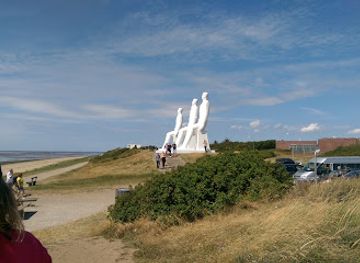
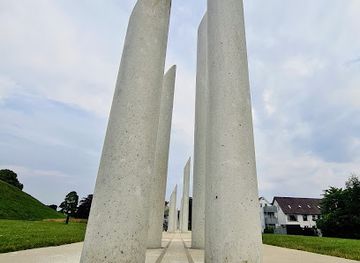
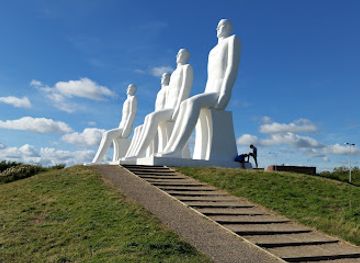
Men by the Sea
Four eternal sentinels of white stone gazing across the North Sea, symbolizing humanity's timeless contemplation of nature.
Sædding Strandvej 1, 6710 Esbjerg Kommune4.4Very Good 6,821 Reviews -
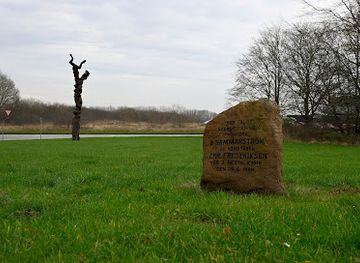
Mindesten for korporal Hammerström og konstabel Frederiksen
A modest stone on Sønderborg’s former shooting range honouring two fallen wartime servicemen, inviting a brief but powerful pause for remembrance and reflection.
Skydebanevej 1, 6400 Sønderborg -
Mindesten for Løjtnant Rothenborg Muus
A modest memorial stone on Dybbølbjerg, quietly honouring Lieutenant Rothenborg Muus amid the historic hills and everyday calm of Sønderborg’s Dybbøl landscape.
Dybbølbjerg 28, 6400 Sønderborg -
Mindesten for Rytterfægtningen ved Torsted
A modest roadside memorial on Horsens’ southern edge, marking a dramatic 1864 cavalry clash and weaving Denmark’s war history into an everyday suburban streetscape.
Vejlevej 84, 8700 Horsens -
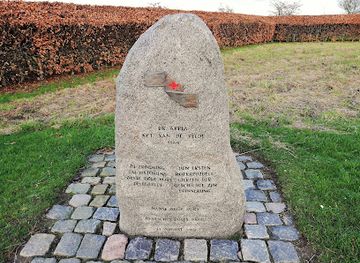
Mindesten for Røde Kors
A quiet memorial to the world's first Red Cross observers amid Denmark's most historic battlefield.
Dybbøl Banke 22, 6400 Sønderborg -
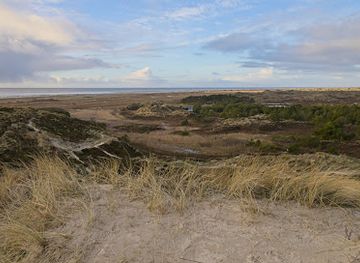
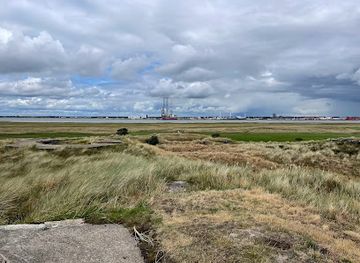
Mosedalsbjerg
Historic dune with WWII bunker, seal colonies, and sweeping Wadden Sea vistas
6720 Fanø5.0Excellent 1 Reviews -
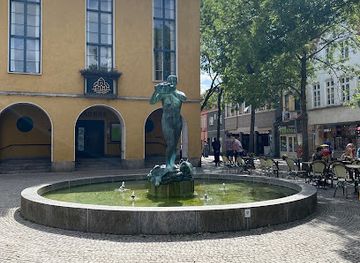
Oceania
A bold, reclining bronze goddess that provokes, delights, and defines Odense's artistic identity.
Flakhaven, 5000 Odense3.6Good 16 Reviews -
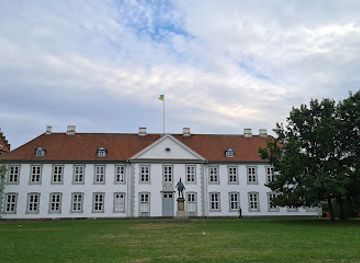
Odense Castle
A stately Baroque residence turned civic landmark, Odense Castle pairs calm Scandinavian architecture with a leafy park right in the heart of the city.
Nørregade 36, 5000 Odense4.1Very Good 217 Reviews -
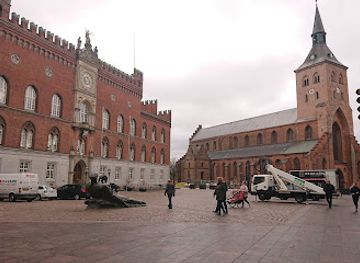
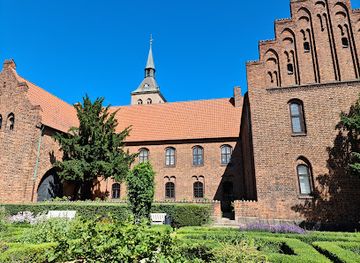
Odense Cathedral - St. Canute's Church
A luminous Brick Gothic cathedral in the heart of Odense, where Viking kings, saintly relics and fairy-tale echoes share a serene, whitewashed nave and atmospheric crypt.
Klingenberg 19, 5000 Odense4.4Very Good 829 Reviews -
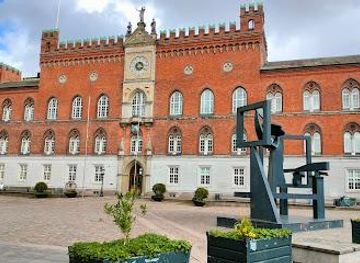
Odense City Hall
Red-brick Italian-Gothic elegance and civic life meet at Odense City Hall, the historic heart of Flakhaven square and a key landmark in Hans Christian Andersen’s city.
Flakhaven 2, 5000 Odense4.4Very Good 199 Reviews -
Odense Noble Virgin Convent
A 500-year-old Renaissance palace revealing Denmark's architectural evolution through layered interiors and shifting social roles.
Albani Torv 6, 5000 Odense4.3Very Good 67 Reviews -
Odense St.
Central rail and bus hub of Funen, Odense Station links Denmark’s mainlines with the city’s historic heart, light rail and cultural sights in one integrated complex.
Østre Stationsvej 27, 5000 Odense C3.8Good 1,056 Reviews -
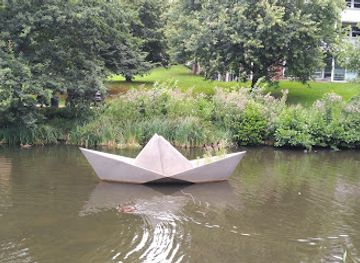
Papirbåden | H.C. Andersen
A delicate paper boat turned gleaming sculpture, Papirbåden floats on Odense’s Fairytale Garden lake, quietly celebrating H.C. Andersen’s “Steadfast Tin Soldier.”
Odense Å4.2Very Good 9 Reviews -
Pælebjerg - Det højeste punkt på Fanø
Fanø's windswept summit offering panoramic North Sea views and access to scenic dune forest trails.
6720 Fanø4.7Excellent 153 Reviews -
Queen Dagmar of Bohemia
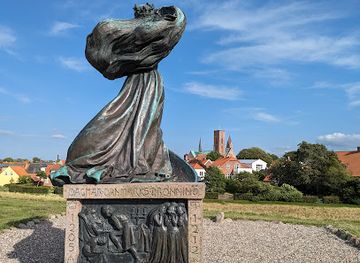
A contemplative statue on Ribe’s former castle hill, honouring the gentle 13th‑century Queen Dagmar where her life and legend became entwined with Denmark’s history.
6760 Ribe4.3Very Good 3 Reviews -
Ravning Bridge
Walk the footsteps of Vikings across Denmark's longest ancient bridge, a 760-meter engineering marvel from 980 AD.
6040 Egtved4.5Excellent 33 Reviews -
Replika af kirke fra Vikingetiden
A beautifully decorated wooden church from 860 CE, embodying Viking-age spirituality and medieval craftsmanship.
Indgang Ribe Vikingecenter, 6760, Ribe5.0Excellent 4 Reviews -
Ribe Cathedral
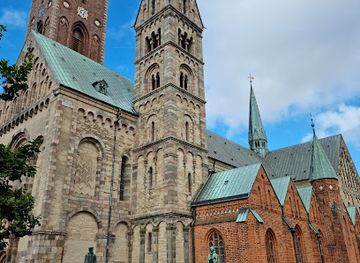
Ancient towers above Viking marshes: Denmark’s oldest cathedral blending Romanesque stone, Gothic height and bold modern mosaics in the heart of Ribe.
Ribe Domkirke, Torvet 19, 6760 Ribe4.5Excellent 4,427 Reviews -
Riberhus Slotsbanke
Medieval royal fortress where Queen Dagmar once reigned, now a haunting ruin with panoramic views of ancient Ribe.
Erik Menveds Vej, 6760 Ribe4.3Very Good 457 Reviews -
Rømødæmningen
A long, straight causeway across the Wadden Sea, Rømødæmningen links Rømø to Jutland with big skies, tidal flats and sweeping views in every direction.
Rømøvej, 6792 Rømø4.8Excellent 159 Reviews -
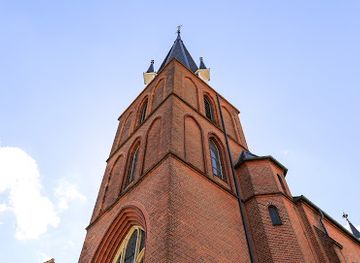
Saint Michaels Church
A modest 19th-century Catholic red-brick church in central Kolding, offering quiet reflection, intimate architecture and a glimpse of Denmark’s Catholic life.
Sct Michaels Gade 2, 6000 Kolding4.5Excellent 23 Reviews -
Saint Nicolas Church
Kolding’s oldest church, where medieval roots, Renaissance artistry, and daily parish life meet under a red-brick neo‑Gothic tower.
Nicolaiplads 3, 6000 Kolding4.4Very Good 242 Reviews -
Skulptur “Frihedskæmpere”
Bronze memorial honoring Denmark's WWII resistance fighters, sculpted by Jørgen Gudmundsen-Holmgreen in 1952.
Gl Vardevej 78M, 6700 Esbjerg3.5Good 2 Reviews -
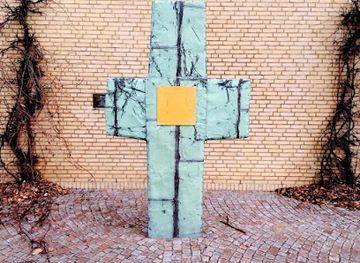
Skulptur “Kobberkors”
A weathered copper cross stands free on Treenighedskirken’s square in Esbjerg, uniting modern church architecture, simple geometry and quiet urban contemplation.
Grådybet 23, 6700 Esbjerg3.0Average 1 Reviews -
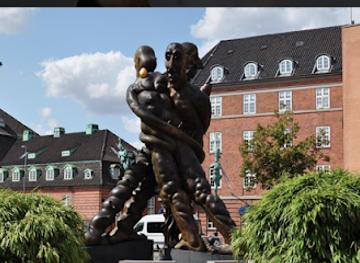
Skyggen, rejseskammeraten og improvisatoren
A towering, threefold portrait of Hans Christian Andersen that greets you outside Odense Station with colour, symbolism and quietly dramatic storytelling.
Østre Stationsvej 8, 5000 Odense3.6Good 13 Reviews -
Sortehusene
Historic black houses preserving working-class resilience on Odense's waterfront.
Østre Kanalvej 1, 5000 Odense4.5Excellent 107 Reviews -
St. Alban's Church
A neo-Gothic sanctuary of immigrant faith and international craftsmanship in the heart of Odense.
Adelgade 1, 5000 Odense4.5Excellent 294 Reviews -
Stallerup Sø
A historic lake and scenic cycling hub where renewable energy heritage meets Danish countryside tranquility.
Stallerup Sø, 6000 Kolding4.3Very Good 10 Reviews -
Stormflodssøjlen
A gilded oak column marking centuries of catastrophic floods, testament to Ribe's battle with the North Sea.
Skibbroen 25, 6760 Ribe4.5Excellent 46 Reviews -
stormflodssøjlen mandø
Stone sentinel marking centuries of catastrophic storm surges that reshaped the Wadden Sea coast.
Strandvej 2, 6760 Ribe4.5Excellent 23 Reviews -
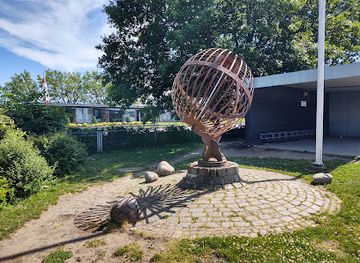
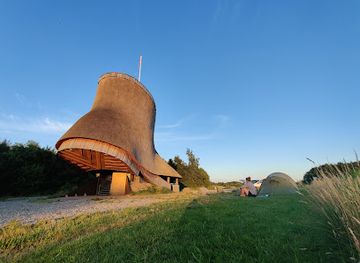
Støvlen
A 12-metre-tall sculptural boot offering quirky charm, panoramic views, and sheltered gathering space in rural Denmark.
Skydebanevej 1A, 6400 Sønderborg4.4Very Good 691 Reviews -
Sønderborg Kommunale Kommandocentral
Hidden beneath Kongevej lies Sønderborg’s former Cold War nerve center, an underground command bunker built to keep the city running in times of crisis.
Kongevej 35, 6400 Sønderborg -
Sønderho Church
An 18th‑century island church filled with Denmark’s largest flotilla of votive ships, anchoring Sønderho’s seafaring history in a tranquil Wadden Sea village.
Sønderho Strandvej 1A, Sønderho, 6720 Fanø4.6Excellent 140 Reviews -
Sønderho Mølle
A Dutch-style windmill from 1895 that grinds flour and tells a story of preservation against the odds.
Vester Land 44, 6720 Fanø4.5Excellent 434 Reviews -
Taarnborg
Renaissance residence of Ribe's last Catholic priest and Bishop Brorson, now a cultural landmark.
Puggaardsgade 3, 6760 Ribe4.4Very Good 34 Reviews -
The castle mill
A modest historic mill tucked into Sønderborg’s old streets, linking castle, harbour and everyday town life in one quiet, photogenic corner.
Rosengade 14C, 6400 Sønderborg4.8Excellent 8 Reviews -
The City's Bridge
A striking steel landmark bridging city, station, and waterfront through innovative design and community connection.
Østre Stationsvej 39, 5000 Odense4.4Very Good 97 Reviews -
The Glavendrup Stone
Denmark's longest runic inscription, carved with divine invocation and protective curse.
Stenager, 5485 Skamby4.6Excellent 264 Reviews -
The maiden jump
A modest paving stone in Odense’s old town that carries a haunting legend of a young woman’s fatal leap and the city’s centuries-old sense of morality.
Munkemøllestræde 4, 5000 Odense -
The Midgård Well
A coiled Norse serpent, a quiet city fountain and a whole mythic world wrapped into one small corner of central Vejle.
Torvegade, 7100 Vejle4.0Very Good 1 Reviews -
The Passage
Kolding's historic covered arcade where local shops, cafés, and the lively English Pub create an authentic downtown gathering space.
A L Passagen, 6000 Kolding4.8Excellent 6 Reviews -
The Sea Horse
A bronze sea horse with mermaid rider, where Andersen's fairy tales meet the river's edge.
Ny Vestergade 19, 5000 Odense4.3Very Good 43 Reviews -
The Uncovered Bridge
A hidden railway bridge buried for 85 years, spectacularly restored and now one of Denmark's most beloved landmarks.
Vestbirkvej 2, 8740 Brædstrup4.5Excellent 2,407 Reviews -
Troldborg Ring
Iron Age refuge fortress on a wooded hilltop, where grassy ramparts, “Devil’s Valley” slopes and wide views over Vejle Ådal bring deep Danish history to life.
7182 Bredsten4.0Very Good 3 Reviews -
Tysk skanse X
Stille jordvolde på Dybbøl Banke, hvor en tysk skanse fortæller om tiden efter 1864 og fæstningsringen, der engang omklamrede Sønderborg.
Dybbøl Banke, 6400 Sønderborg4.7Excellent 3 Reviews -
Vejle Vindmølle
Historic windmill turned art gallery with panoramic city views and rotating contemporary exhibitions.
Søndermarksvej 1, 7100 Vejle4.4Very Good 79 Reviews -
Vægmaleri
Vibrant street art bringing color and contemplation to Odense's urban landscape.
Vestergade 7, 5000 Odense -
Wadden Sea National Park
Denmark’s largest national park, Wadden Sea is a UNESCO-listed coastal wilderness on Fanø, renowned for vast tidal flats, rare wildlife, and unforgettable migratory bird displays.
Wadden Sea National Park4.6Excellent 7,162 Reviews -
Årtusindeskifte Eg
An ancient oak rooted in Horsens' heart, where nature and urban life converge in timeless harmony.
Storegade 24, 8700 Horsens -
Æ Kåver
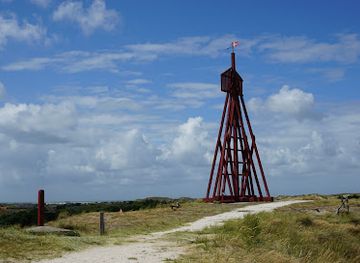
Reborn wooden seamark on Fanø’s southern edge, Æ Kåver recalls 17th‑century seafaring in a wild Wadden Sea landscape of wind, sand and wide horizons.
6720 Fanø4.4Very Good 45 Reviews




Explore Old Cemetery on the Map
A handpicked selection of must-see spots near Old Cemetery, mapped for you.

Your all‑in‑one travel companion app
Explore expert travel guides, compare and book tours, experiences, hotels, and more—all from the palm of your hand. Download now for seamless trip planning wherever your wanderlust takes you.


More about Old Cemetery

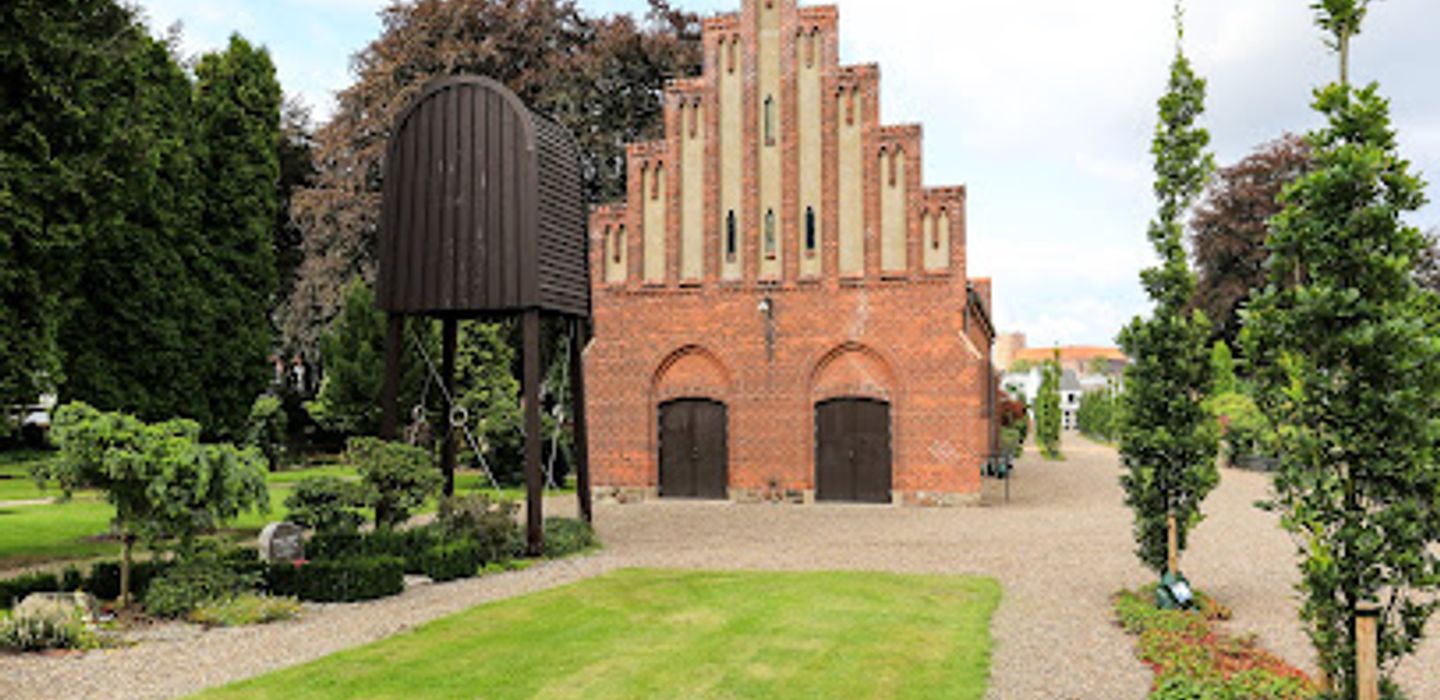
Historic 1806 cemetery turned tranquil green refuge, where copper beeches, cast‑iron fences and war memorials quietly tell two centuries of Kolding’s story.
Tell me more about Old Cemetery











Explore More of Kolding

Looking beyond Old Cemetery? Discover Kolding for broader travel guides, local hot-spots, and regional highlights.
Explore KoldingGet the latest from Evendo
Don't miss out on news and great deals