

Best Landmarks Near Highgate Cemetery (Sutherland)
Planning a trip to Highgate Cemetery? Discover the best landmarks nearby with history, expert tips, and routes. Free on web or the Evendo app.


The best landmarks near Highgate Cemetery
- Top rated
- Closest to Highgate Cemetery
- Price level: low to high
- Time to spend: shortest first
- A–Z
84 landmarks
-
Plaza4.6★126,499 reviews
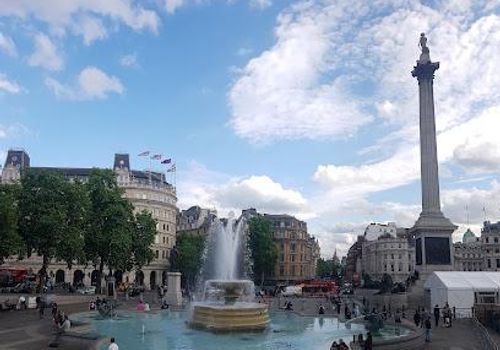
Trafalgar Square
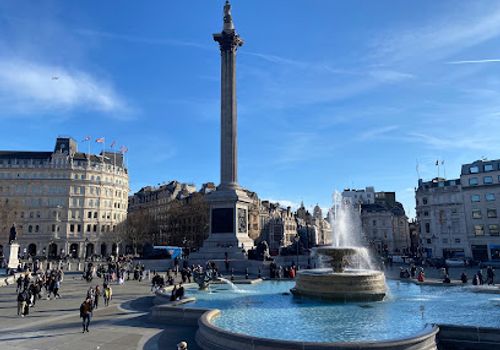
Trafalgar Square stands as London's most iconic public plaza, a grand open space in Westminster that commemorates Britain's naval victory at the Battle of Trafalgar in 1805. Dominated by the towering Nelson's Column and guarded by four magnificent bronze lions, the square serves as a vibrant cultural and political hub. Surrounded by world-class institutions including the National Gallery and St Martin-in-the-Fields church, it remains a focal point for celebrations, demonstrations, and gatherings. Free to visit and accessible 24/7, Trafalgar Square blends rich history with contemporary energy, making it essential for any London visitor.
Time to spend 0.5–3 hrs
-
Market4.6★124,757 reviews
Camden Market
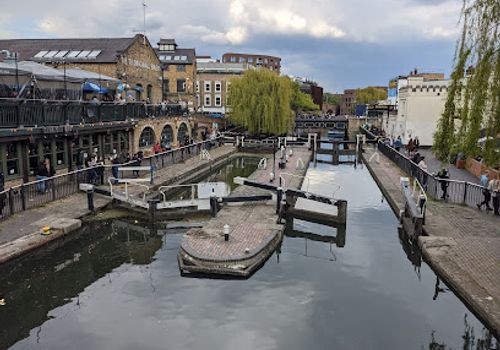
Camden Market in London is a vibrant, eclectic marketplace known for its unique blend of vintage fashion, handmade crafts, global street food, and lively atmosphere. Open daily from 10am to 6pm, it offers visitors a labyrinth of stalls, independent shops, and food halls spread across historic sites like Camden Lock and Stables Market. The market is a cultural melting pot, attracting locals and tourists alike with its rich diversity and constant buzz of activity.
Daily 10:00–18:00Price level $$Time to spend 2–5 hrs
-
Shopping Centre4.6★110,695 reviews
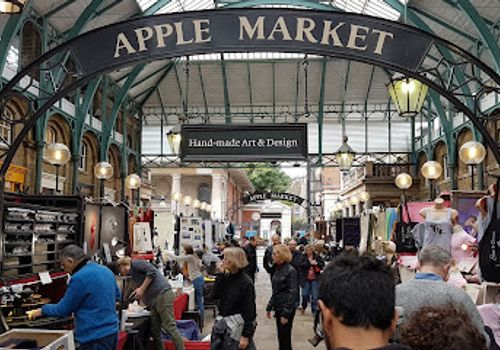
Covent Garden
Covent Garden is London's vibrant West End hub, centered around a historic piazza alive with street performers, bustling markets, luxury shops, and cultural gems like the Royal Opera House. Once a fruit and vegetable market, it now blends heritage with modern entertainment, dining, and festive magic, drawing visitors to its cobbled streets and lively atmosphere year-round.
Time to spend 1–3 hrs
-
Mosque4.8★5,480 reviews
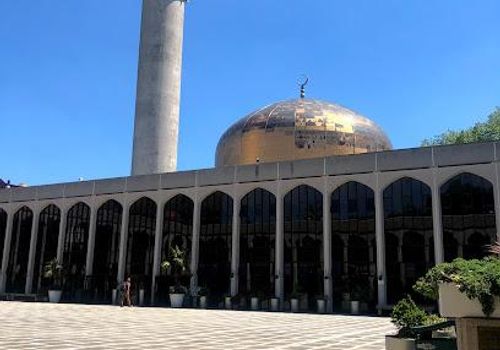
London Central Mosque
Established in 1977, the London Central Mosque stands as a prominent Islamic cultural and spiritual hub in the heart of London's St John's Wood neighbourhood. This architecturally distinctive mosque serves as the headquarters of the Islamic Cultural Centre and welcomes visitors of all backgrounds to explore Islamic heritage, attend prayers, and participate in educational programmes. With its elegant minaret and welcoming community atmosphere, it remains one of the UK's most significant Islamic institutions.
Daily 10:00–21:00Time to spend 1–3 hrs
-
Historical landmark4.1★2,522 reviews
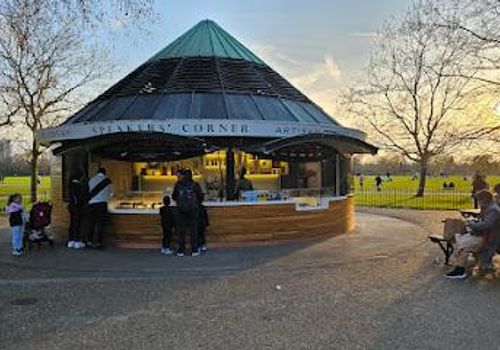
Speakers' Corner
Nestled in the northeast corner of Hyde Park near Marble Arch, Speakers' Corner is a historic open-air forum renowned worldwide for its tradition of free speech and public debate. Since the 19th century, it has been a vibrant gathering place where anyone can express their views on any lawful topic, continuing a legacy born from democratic protests and social movements. This iconic site blends a rich, sometimes dark history with a lively atmosphere of open dialogue and activism.
Daily 5:00–24:00Time to spend 0.5–2 hrs
-
Historical landmark4.5★993 reviews
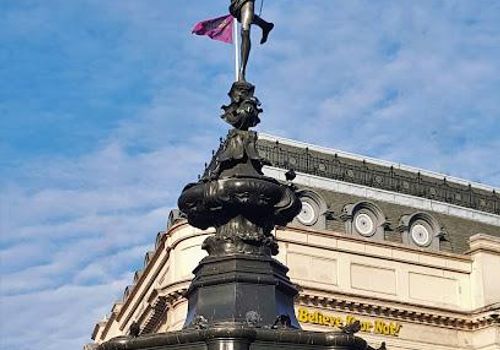
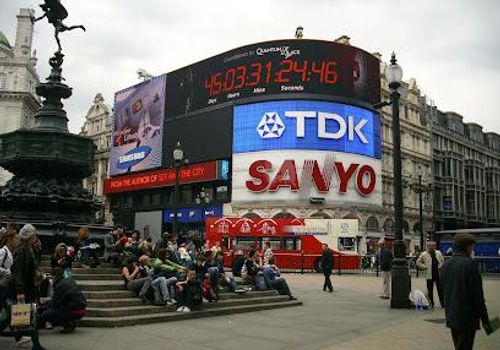
Eros (Shaftesbury Memorial Fountain)
The Shaftesbury Memorial Fountain, famously known as Eros, is a celebrated London landmark located at Piccadilly Circus. Erected in 1893 to honor Victorian philanthropist the 7th Earl of Shaftesbury, the fountain features a pioneering aluminium statue of Anteros, the god of selfless love. Its iconic presence in the bustling theatre district combines artistic innovation with rich social history, symbolizing compassion and reform.
Open 24 hoursTime to spend 0.5–1.5 hrs
-
Anglican church4.5★943 reviews
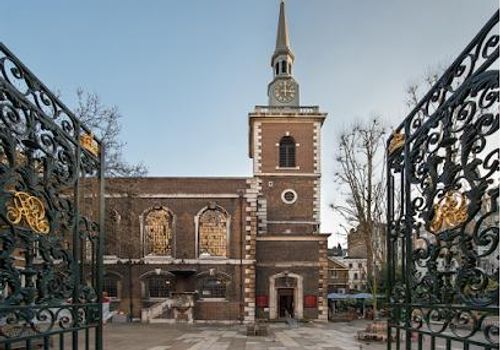
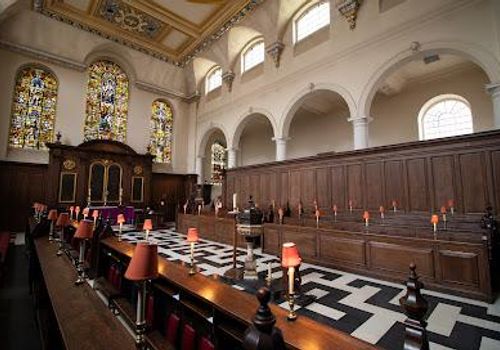
St James's Piccadilly
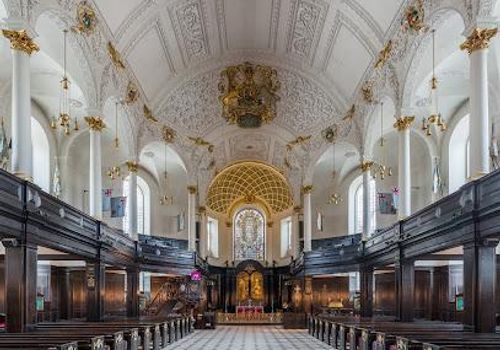
Standing at the heart of London’s West End since 1684, St James's Church, Piccadilly is a masterpiece by Sir Christopher Wren, renowned for its elegant architecture, historic significance, and vibrant community life. Damaged in the Blitz, it was meticulously restored and now serves as both a place of worship and a cultural hub. The church is famed for its Grinling Gibbons reredos, its association with artists like William Blake and Mary Beale, and its peaceful garden oasis amid the bustle of Piccadilly. Services, concerts, art exhibitions, and courtyard markets make it a living part of London’s spiritual and artistic landscape.
Time to spend 0.5–2 hrs
-
Anglican church4.8★767 reviews
St Bartholomew the Great
London's oldest surviving parish church, founded in 1123 as an Augustinian priory by Rahere, a courtier of Henry I. Located in Smithfield, this medieval gem has witnessed nearly 900 years of English history, from royal patronage and miraculous healings to the Reformation and the Great Fire of London. Today, it remains an active parish church with stunning Norman and Gothic architecture, housing precious artifacts including a 1405 font and the tomb of its founder.
Mon–Sat 10:00–17:00 · Sun 8:30–18:30Time to spend 0.8–2.5 hrs
-
Sculpture4.6★784 reviews
Paddington Bear Statue
A beloved life-sized bronze sculpture of the famous literary character Paddington Bear stands on Platform 1 of Paddington Station in central London. Designed by sculptor Marcus Cornish and unveiled in February 2000 by author Michael Bond, this iconic statue commemorates the fictional bear's arrival at the station—the very location that inspired his name and story. Positioned beneath the station clock, the statue has become one of London's most cherished and photographed landmarks, drawing visitors from around the world.
Open 24 hoursTime to spend 0.2–1 hr
-
Tourist attraction4.4★798 reviews
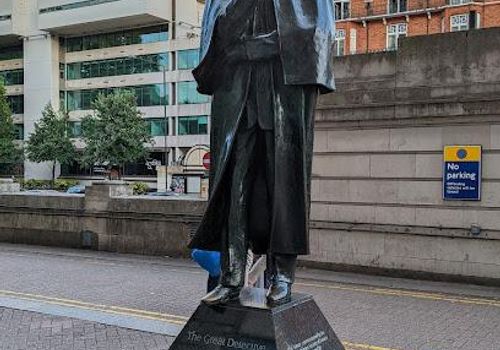
Sherlock Holmes Statue
Standing sentinel outside Baker Street Station on Marylebone Road, this bronze statue honours the world's most famous fictional detective. Unveiled in 1999 and sculpted by John Doubleday, the life-size figure captures Holmes in his iconic deerstalker and coat, pipe in hand. Commissioned by Abbey National Building Society—whose headquarters occupied the legendary 221B Baker Street address—the statue has become an essential pilgrimage point for literary enthusiasts and Sherlock devotees from around the globe. A perfect photo opportunity and starting point for exploring London's rich Sherlock Holmes heritage.
Mon–Sat open 24 hours · Sun 6:00–23:30Time to spend 0.2–1 hr
-
Train station4.1★670 reviews
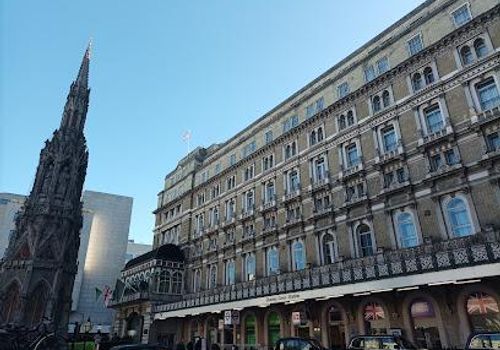
Charing Cross
Charing Cross is a historic Victorian railway station located on the Strand in central London, serving as a major transport hub connecting the West End with the rest of the capital. Built in the mid-19th century, this iconic station features a distinctive forecourt crowned by the Eleanor Cross, a replica of the medieval monument that marks the traditional centre of London. The station offers excellent connectivity via the Northern and Bakerloo lines, making it an essential gateway for exploring the cultural and commercial heart of London.
Time to spend 0.2–1.5 hrs
-
Anglican church4.7★470 reviews
St Bride's Church, Fleet Street
St Bride's Church on Fleet Street in London is a historic Anglican church famously known as the 'Journalists' Church' and for its iconic tiered wedding cake–inspired spire. Originally founded in the 6th century and rebuilt by Sir Christopher Wren after the Great Fire of London in 1666, it has deep ties to the printing and newspaper industries. The church crypt reveals Roman remains and layers of London's history, while memorials honor journalists worldwide.
Time to spend 0.5–2 hrs
-
Anglican church4.6★458 reviews
St Clement Danes Church
St Clement Danes Church, located on the Strand in London, is a historic Anglican church designed by Sir Christopher Wren and rebuilt in 1682. It is famed as the Central Church of the Royal Air Force, serving as a memorial shrine to RAF personnel who died in service. The church’s iconic bells play the tune from the nursery rhyme 'Oranges and Lemons,' and its interior features over 1,000 RAF squadron badges carved in Welsh slate. The church was heavily damaged during WWII and restored by the RAF, reopening in 1958.
Mon–Fri 10:00–16:00 · Sat–Sun 10:00–15:00Time to spend 0.5–2 hrs
-
Historical landmark4.5★437 reviews
Guards Crimean War Memorial
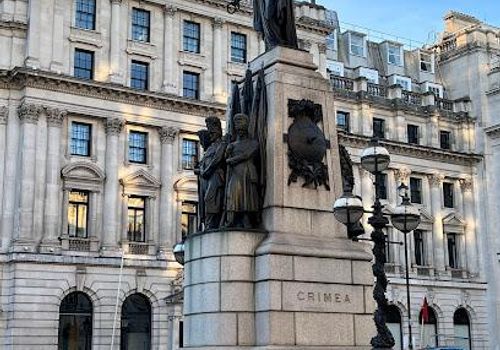
The Guards Crimean War Memorial in London’s St James's district commemorates the valor and sacrifice of the Brigade of Guards during the Crimean War (1853–1856). Erected in 1861 and located on Waterloo Place, it features bronze statues of three Guardsmen and a female allegorical figure symbolizing Honour and Victory. Cast from captured Russian cannons, the memorial is a poignant tribute to ordinary soldiers and a significant historic landmark in central London.
Open 24 hoursTime to spend 0.2–1 hr
-
Historical landmark4.6★392 reviews
Nelson's Column
Nelson's Column is a towering monument in Trafalgar Square, London, commemorating Admiral Horatio Nelson's victory and sacrifice at the 1805 Battle of Trafalgar. Standing 52 meters tall, the granite column supports a 5.5-meter sandstone statue of Nelson, surrounded by four bronze lions and reliefs depicting his naval battles. Erected between 1840 and 1843, it remains a symbol of British naval prowess and a focal point for public gatherings and celebrations.
Open 24 hoursTime to spend 0.5–1.5 hrs
-
Catholic cathedral4.9★359 reviews
Ukrainian Catholic Cathedral
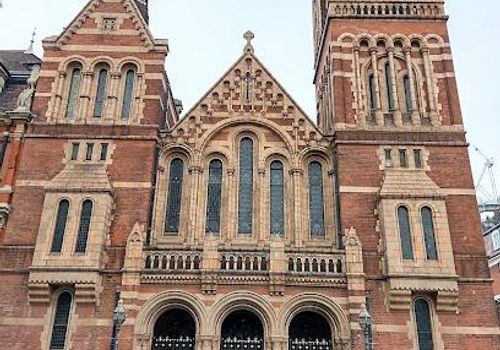
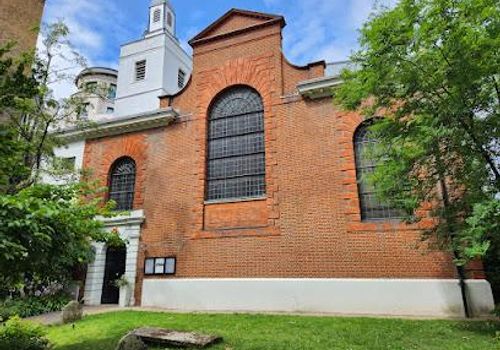
Located on Duke Street in London’s West End, the Ukrainian Catholic Cathedral of the Holy Family in Exile is a striking red brick and terracotta church designed by Alfred Waterhouse. Originally built in 1891 as the King’s Weigh House Congregational Church, it became the Ukrainian Catholic Cathedral in 1968, serving a growing Ukrainian community. The cathedral features an oval nave, an impressive iconostasis by a Ukrainian monk, and a rich history shaped by migration, war damage, and architectural heritage.
Time to spend 0.5–1.5 hrs
-
War memorial4.6★284 reviews
Animals In War Memorial
Standing on Park Lane at the edge of Hyde Park, the Animals in War Memorial is a powerful tribute to the countless animals that served and died alongside British and Allied forces throughout history. Designed by sculptor David Backhouse and unveiled in 2004, the monument features a curved Portland stone wall carved with images of animals in conflict, bronze mules ascending steps, and a horse and dog gazing into the distance. It honours horses, mules, dogs, pigeons, elephants, and many other creatures whose loyalty and sacrifice often went unrecorded in official histories.
Open 24 hoursTime to spend 0.5–1.5 hrs
-
Church4.4★296 reviews
St Pancras New Church
St Pancras New Church, located on Euston Road in London, is a striking example of Greek Revival architecture built between 1819 and 1822. Inspired by ancient Athens, it features Ionic columns, terracotta caryatids modeled after the Erechtheum, and a tower influenced by the Tower of the Winds. This Grade I listed Anglican church offers rich historical significance, architectural grandeur, and serves as a vibrant cultural venue today.
Mon–Sat 11:00–14:00 · Sun 9:30–14:00Time to spend 0.5–2 hrs
-
Hostel4.2★290 reviews
St Christopher's Inn Liverpool Street
St Christopher's Inn Liverpool Street offers budget-friendly accommodation in the heart of London’s financial district, just steps from Liverpool Street Station. Set above the lively Flying Horse pub, this hostel blends a social atmosphere with practical amenities, including clean dorms, private rooms, and a continental breakfast option. Its central location provides easy access to Shoreditch’s creative scene and iconic city landmarks, making it ideal for young travelers, solo adventurers, and business visitors alike.
Price level $Time to spend 1–3 hrs
-
Anglican church4.4★226 reviews
Shoreditch Church
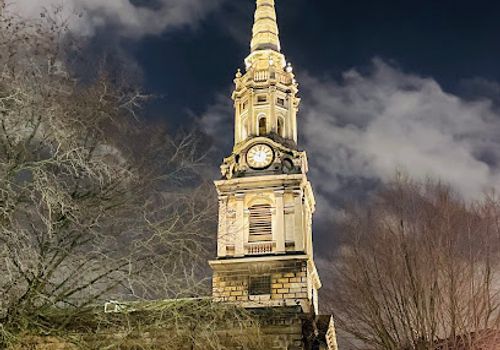
St Leonard's Church, commonly known as Shoreditch Church, is a Grade I listed Palladian-style Anglican church built between 1736 and 1740 by George Dance the Elder. It stands on one of England’s oldest continuous Christian worship sites, with deep ties to Shakespearean theatre history and London’s cultural heritage. Known as the 'actors’ church,' it features a rare 1756 Richard Bridge organ and a striking 192-foot steeple, symbolizing centuries of spiritual and artistic legacy in Shoreditch.
Mon–Fri 9:00–17:00Time to spend 0.5–2 hrs
-
Memorial4.5★200 reviews
Sir William Wallace Memorial
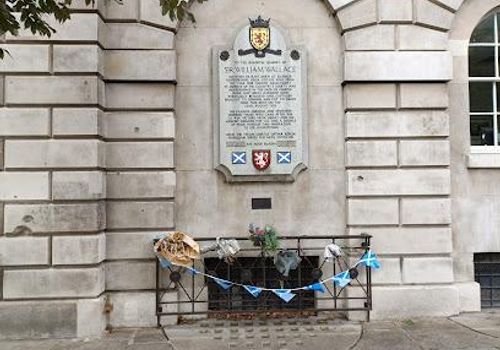
A dignified stone memorial on the wall of St Bartholomew's Hospital in Smithfield, honouring the Scottish patriot Sir William Wallace, who was executed nearby on 23 August 1305. Erected in 1956, this Grade II-listed shrine bears Latin and Gaelic inscriptions celebrating freedom and Scottish independence. The memorial receives flowers and tributes year-round, particularly around the anniversary of Wallace's death, making it a poignant reminder of medieval London's turbulent history and Scotland's struggle for liberty.
Open 24 hoursTime to spend 0.2–1 hr
-
Hotel4.2★186 reviews
Space Apart Hotel
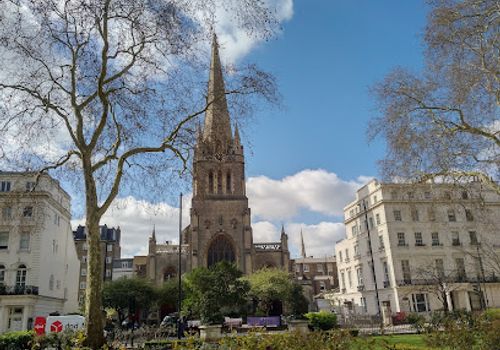
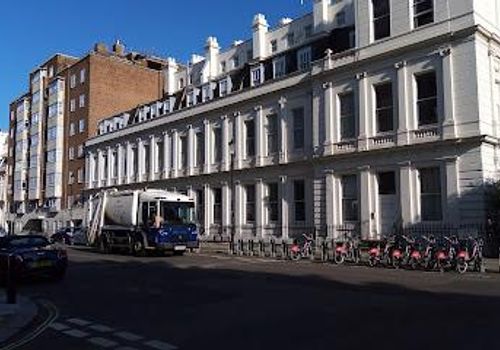
Space Apart Hotel offers modern, luxury serviced apartments in the heart of Kensington Gardens Square, London. Featuring spacious, air-conditioned rooms with fully equipped kitchens, this hotel blends the independence of apartment living with hotel comforts. Located within walking distance of Bayswater and Queensway tube stations, it provides easy access to Hyde Park, Notting Hill, and vibrant local markets like Portobello Road. Ideal for both business and leisure travelers seeking a stylish, well-connected base in London.
Price level $$Time to spend 1–5 hrs
-
Memorial4.6★164 reviews
Agatha Christie memorial
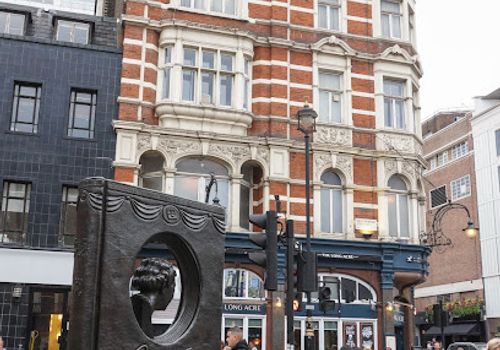
Situated in the heart of London's vibrant Covent Garden theatre district, the Agatha Christie Memorial honors the legendary British author known as the Queen of Crime. Unveiled in 2012, this striking bronze sculpture by Ben Twiston-Davies is shaped like a giant leather-bound book featuring a bust of Christie and motifs from her famous works, reflecting her immense contribution to literature and theatre.
Open 24 hoursTime to spend 0.2–1 hr
-
Church4.5★167 reviews
St Giles in the Fields
St Giles in the Fields is a historic Anglican parish church located at 60 St Giles High Street, London. Founded in 1101 as a chapel for a leper hospital established by Queen Matilda, it has evolved through centuries of religious, social, and architectural change. The current Palladian-style building, designed by Henry Flitcroft and completed in 1734, stands as a testament to the area's rich history, from medieval care for the sick to its role in London's urban development and cultural heritage.
Time to spend 0.5–2 hrs
-
Anglican church4.6★162 reviews
St George's Church, Hanover Square
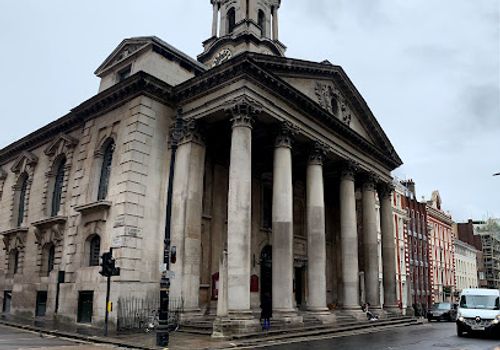
St George's Church, Hanover Square, built between 1721 and 1725 by architect John James, stands as a distinguished example of Georgian ecclesiastical architecture in London's West End. Serving the historic parish of Mayfair, it is renowned for its dignified worship, rich musical heritage linked to composer Handel, and its role as a fashionable wedding venue. Today, it continues as a spiritual sanctuary and cultural venue, hosting concerts and the annual London Handel Festival.
Time to spend 0.5–2 hrs
-
Notable street4.6★145 reviews
Strand
The Strand is a historic thoroughfare in central London's West End, stretching over three-quarters of a mile from Trafalgar Square to Temple Bar. This iconic street connects Westminster's political heart with the City's financial district, lined with world-class theatres, grand hotels, museums, and cultural institutions. Once home to celebrated writers and nobles, the Strand remains a vibrant hub of activity, offering theatre performances, fine dining, shopping, and centuries of layered history alongside contemporary London energy.
Price level $$Time to spend 1.5–4 hrs
-
Notable street4.6★144 reviews
Denmark St
Denmark Street is a historic 108-foot thoroughfare in London's West End, renowned as Britain's 'Tin Pan Alley' and the epicenter of the music industry for over a century. Built in the 1680s on the grounds of a medieval leper hospital and named after Prince George of Denmark, the street retains its original seventeenth-century facades beneath modern shopfronts. From 1911 onwards, it became home to legendary recording studios, music publishers, and guitar shops where The Rolling Stones, David Bowie, Jimi Hendrix, Elton John, and countless other iconic musicians recorded, composed, and collaborated. Today it remains a vital hub for music retail and live performance, though undergoing significant redevelopment.
Time to spend 0.8–3 hrs
-
Historical landmark4.5★108 reviews
Queen Anne Statue
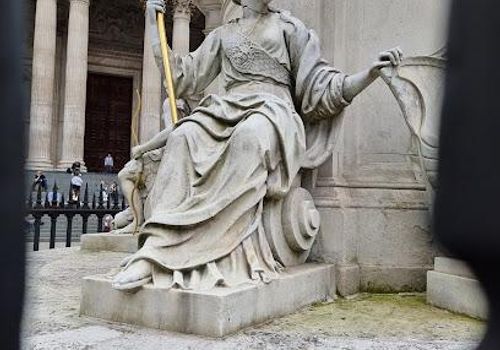
The Queen Anne Statue in St. Paul's Churchyard, London, is a historic landmark commemorating the completion of St. Paul's Cathedral after the Great Fire of London. Originally erected in 1712 by sculptor Francis Bird, the current statue is a faithful 1886 replica replacing the deteriorated original. The statue features Queen Anne adorned with regal symbols and four allegorical female figures representing Britannia, France, America, and Ireland at its base.
Open 24 hoursTime to spend 0.2–1.5 hrs
-
Historical landmark4.5★80 reviews
Temple Bar London
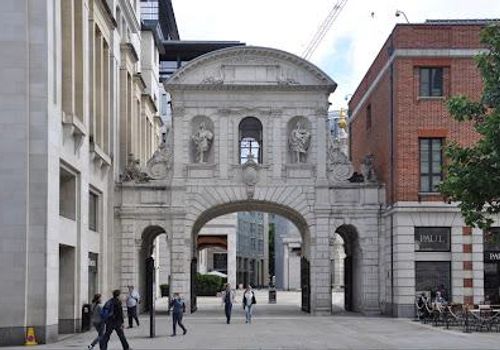
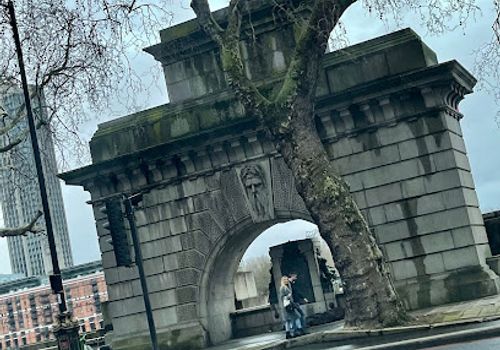
Temple Bar is the sole surviving historic gateway to the City of London, originally marking the boundary between the City and Westminster. Rebuilt by Sir Christopher Wren in 1672 from Portland stone, it has witnessed royal processions, grim displays of justice, and centuries of civic ceremony. After removal in 1878 to ease traffic, it was painstakingly restored and re-erected in Paternoster Square near St Paul's Cathedral in 2004, where it stands as a Grade I listed monument and venue for fine dining and events.
Price level $$Time to spend 0.5–2 hrs
-
Public Transport Stop4.4★80 reviews
Abbey Road crossing
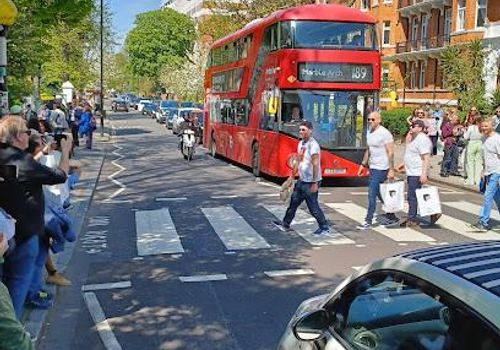
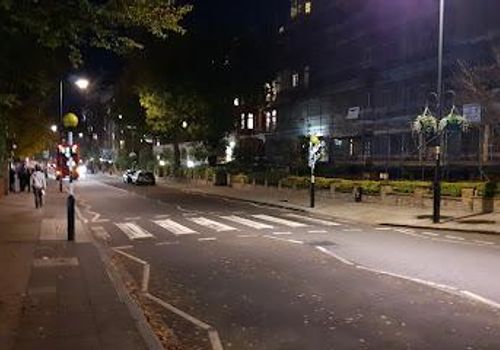
The zebra crossing on Abbey Road in St John’s Wood is the exact site of the 1969 photograph that became the cover of The Beatles’ album Abbey Road. Four band members walk in single file across the white stripes in one of the most reproduced images in popular music. Today the working crossing remains a public road where visitors recreate the pose amid the tree-lined residential street. The Grade II listed structure combines everyday British road infrastructure with global cultural significance. Fans arrive daily to stand on the stripes, photograph the scene, and visit the nearby studio wall and shop. The experience is brief, outdoor and shaped by passing traffic rather than any formal exhibition or guided tour.
Time to spend 10–45 hrs
-
Sculpture4.8★69 reviews
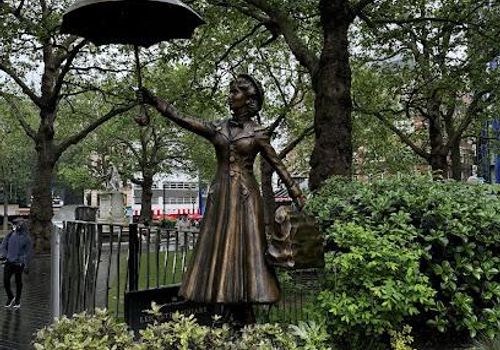
Mary Poppins Statue
A bronze statue of Mary Poppins captured mid-flight with her iconic umbrella raised, located in Leicester Square's gardens. Installed in February 2020 as part of the Scenes in the Square trail celebrating a century of cinema, this whimsical sculpture depicts the beloved nanny from the 1964 Disney film. Positioned on a low plinth among flower beds near the Lego Store, the statue has become a beloved photo spot for film enthusiasts and families alike, offering a nostalgic tribute to one of cinema's most enchanting characters.
Open 24 hoursTime to spend 0.2–1.5 hrs
-
Anglican church4.6★71 reviews
St Vedast alias Foster
A historic Anglican church in the City of London, St Vedast alias Foster stands as a testament to resilience and architectural heritage. Originally established in the 12th century and dedicated to a French saint, the church was rebuilt by Sir Christopher Wren following the Great Fire of 1666, then painstakingly restored after devastating bomb damage during World War II. Today, its striking baroque spire and carefully reconstructed interior offer visitors a profound connection to London's ecclesiastical past and wartime history.
Mon–Fri 10:00–15:00 · Sun 11:00–12:00Time to spend 0.5–1.5 hrs
-
Historical landmark4.6★65 reviews
The Old Police House
Nestled within the iconic Hyde Park, The Old Police House is a historic 19th-century building originally constructed in the 1870s as a police station. It now serves as the main office for The Royal Parks and a Tourist Information Centre, offering visitors a unique glimpse into London's policing heritage amidst the park’s lush greenery and vibrant cultural landscape.
Mon–Fri 9:00–17:00Time to spend 0.5–2 hrs
-
Historical landmark4.6★65 reviews
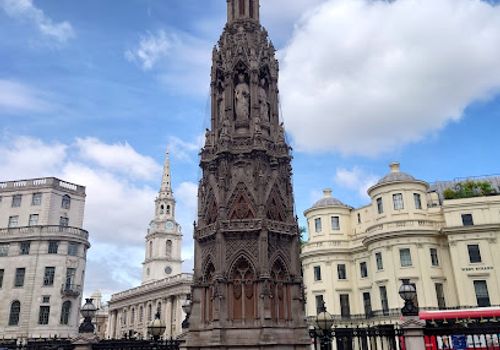
Eleanor Cross
The Eleanor Cross at Charing is a Victorian-era replica of the grand medieval monument originally erected in the late 13th century by King Edward I to honor his wife, Queen Eleanor of Castile. Located in front of Charing Cross railway station, this ornate Gothic Revival cross commemorates the final resting place of Eleanor’s funeral procession and stands as a symbol of enduring love and medieval craftsmanship in central London.
Open 24 hoursTime to spend 0.5–1.5 hrs
-
Historical landmark4.6★58 reviews
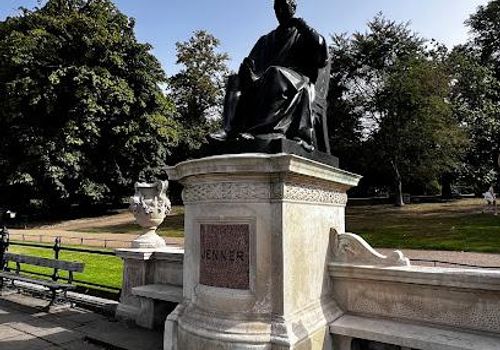
Edward Jenner Memorial
Standing in the Italian Garden within Kensington Gardens, the Edward Jenner Memorial is a marble statue honouring the pioneering physician who developed the world's first vaccine. Sculpted by William Calder Marshall and unveiled by Prince Albert in 1858, this monument celebrates Jenner's revolutionary contribution to medicine—his 1796 discovery that vaccination with cowpox conferred immunity to smallpox. The statue was relocated to Kensington Gardens in 1862, becoming the first monument erected in these historic gardens. Today it remains a testament to one of humanity's greatest medical achievements.
Time to spend 0.5–2 hrs
-
Historical landmark4.6★54 reviews
Historic Seven Dials
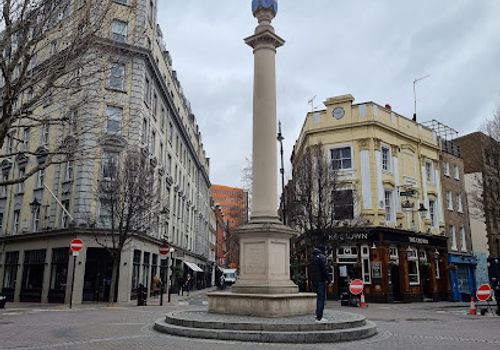
Seven Dials is a unique historic area in London's Covent Garden, where seven streets converge around a central sundial pillar with six dials. Designed in the 1690s by Thomas Neale, the star-shaped layout maximized housing frontage and rental income. Once a notorious slum, it has transformed into a vibrant cultural and shopping district, retaining much of its original architecture and charm.
Daily 7:00–23:00Price level $$Time to spend 1–3 hrs
-
Park and Garden4.0★60 reviews
Sussex Gardens
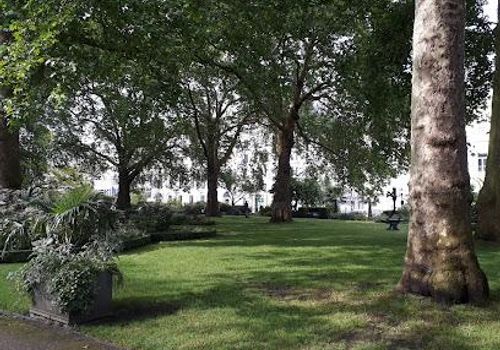
Sussex Gardens is a tranquil and picturesque green space located in the historic Tyburnia district of London. Known for its lush lawns, mature trees, and Victorian-era architecture, it offers a peaceful retreat from the city's bustle. The garden is part of a grand 19th-century urban plan and is surrounded by elegant terraced houses and notable landmarks, making it a cultural and architectural gem in central London.
Daily 8:00–16:30Time to spend 0.5–2 hrs
-
Historical landmark4.6★47 reviews
York Watergate
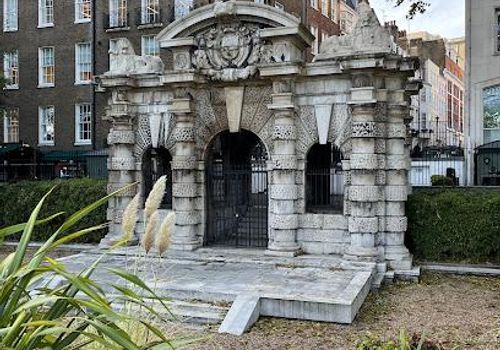
York Watergate, built circa 1626, is a striking Portland stone gateway originally serving as the riverside entrance to York House, the grand London residence of George Villiers, 1st Duke of Buckingham. Now located inland within Victoria Embankment Gardens, it stands as a rare surviving monument from the era before the Thames was embanked, marking the historic riverbank and the grandeur of 17th-century aristocratic London.
Open 24 hoursTime to spend 0.5–1.5 hrs
-
Historical landmark4.4★45 reviews
St Bartholomew's Gatehouse
St Bartholomew's Gatehouse, located at 57A West Smithfield in London, is a rare surviving Tudor timber-framed building dating from 1595. Built atop a 13th-century stone arch, it once served as the southern entrance to the nave of St Bartholomew-the-Great church. Remarkably spared from the Great Fire of London and revealed after WWI bomb damage, the Grade II listed gatehouse showcases historic wood paneling and heraldic ironwork, standing as a testament to London's rich medieval and Tudor heritage.
Daily 8:00–22:00Time to spend 0.2–1 hr
-
Historical landmark4.7★39 reviews
Temple Bar Memorial
Temple Bar Memorial in London marks the historic boundary between the City of London and Westminster. Originally a medieval gateway rebuilt by Sir Christopher Wren in the 17th century, the memorial stands where the original Temple Bar once guarded entry to the City. Featuring sculptures of Queen Victoria and Edward VII, and crowned by a dragon symbolizing the City, it commemorates centuries of London’s civic and royal history.
Open 24 hoursTime to spend 0.2–1 hr
-
Notable street4.6★35 reviews
Holborn Viaduct
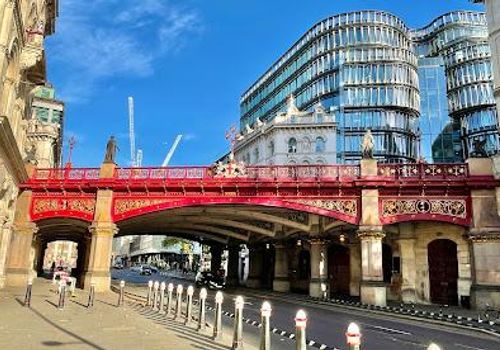
Holborn Viaduct is a historic Victorian-era road bridge in London, completed in 1869 to span the steep valley of the River Fleet. It connects Holborn with the City of London, easing traffic flow and symbolizing 19th-century urban innovation. Adorned with ornate ironwork and bronze statues representing Commerce, Agriculture, Science, and Fine Arts, the viaduct remains a vital and architecturally significant part of London's transport network.
Time to spend 0.5–1.5 hrs
-
Historical landmark4.3★36 reviews
Obelisk Charles James Napier
A bronze statue of General Sir Charles James Napier (1782–1853) stands in Trafalgar Square, one of London's most iconic public spaces. Created by sculptor George Gammon Adams and unveiled in 1856, this monument was funded by public subscription, with private soldiers who served under Napier contributing notably. The statue depicts the general holding a scroll symbolizing his administration of Sindh and a sword held to his breast, commemorating his military achievements across the Napoleonic Wars, the War of 1812, and his controversial conquest of Sindh in India.
Open 24 hoursTime to spend 0.2–1.5 hrs
-
Anglican church4.6★30 reviews
St Anne & St Agnes Church
A remarkable Grade I listed Anglican church tucked away on Gresham Street in the City of London, St Anne & St Agnes stands as a testament to resilience and architectural innovation. First documented in 1137, this uniquely double-dedicated church survived the Great Fire of 1666, devastating World War II bombing, and multiple reconstructions. Rebuilt by Sir Christopher Wren in 1680 with its distinctive Greek cross design, the church now serves as the VOCES8 Centre, home to a world-renowned vocal ensemble and educational charity. Its intimate interior, featuring a harmonious square-within-square layout and superb acoustics, offers visitors a serene escape from the bustling City streets.
Time to spend 0.5–1.5 hrs
-
Historical landmark4.5★30 reviews
Roman London Wall (St Alphage Garden Section)
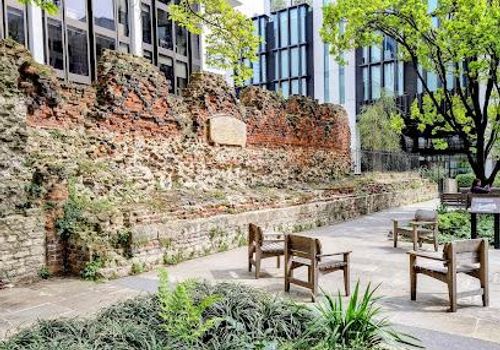
The Roman London Wall at St Alphage Garden is a remarkable surviving section of the ancient defensive wall built around Londinium circa AD 200. Nestled in the Barbican area of London, this historic site features layered Roman and medieval stonework, including a brick parapet added in the 15th century. The adjacent St Alphage Garden, once a churchyard, offers a tranquil green space revealing centuries of London's urban evolution and defensive history.
Open 24 hoursTime to spend 0.5–1.5 hrs
-
Memorial4.6★29 reviews
Euston War Memorial
The Euston War Memorial, located at 190 Euston Road in London, is a poignant First World War monument dedicated to the 3,719 employees of the London and North Western Railway who sacrificed their lives. Featuring a 13-meter Portland stone obelisk surrounded by four bronze statues representing different military branches, it stands as a solemn reminder of wartime sacrifice amidst the bustling city.
Open 24 hoursTime to spend 0.2–1 hr
-
Bridge4.6★27 reviews
Iron Footbridge over Regent’s Canal (Camden)
The Iron Footbridge over Regent’s Canal in Camden is a charming historic pedestrian bridge offering scenic views of the canal and vibrant urban surroundings. Nestled in the heart of Camden, it connects visitors to the lively markets and cultural scene, embodying the area's rich industrial heritage and artistic spirit.
Open 24 hoursTime to spend 0.5–2 hrs
-
Historical landmark4.3★28 reviews
Sicilian Avenue
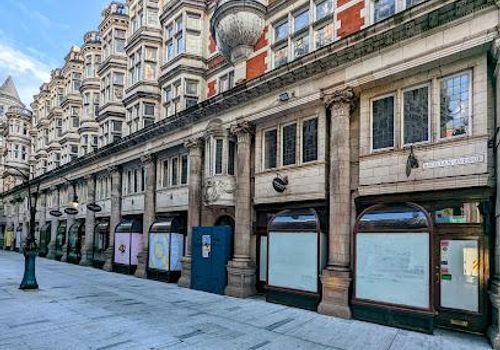
Sicilian Avenue is a Grade II listed Edwardian pedestrianized shopping street in Holborn, London, known for its distinctive neo-classical architecture featuring Ionic colonnades, terracotta dressings, and Italian marble accents. Designed by Robert Worley and completed in 1910, it offers a charming mix of shops and eateries tucked within historic red brick and white terracotta buildings, creating a serene Mediterranean-inspired retreat in the heart of the city.
Open 24 hoursPrice level $$Time to spend 0.5–2 hrs
-
Historical landmark3.4★31 reviews
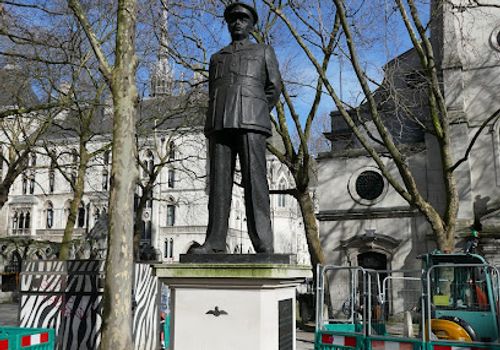
Bomber Harris Memorial
The Bomber Harris Memorial in London honors Air Chief Marshal Sir Arthur Harris and the brave crews of RAF Bomber Command during World War II. Located at St Clement Danes Church on the Strand, this bronze statue commemorates the sacrifices of over 55,000 airmen who lost their lives in the cause of freedom. Unveiled in 1992 by the Queen Mother, the memorial stands as a poignant reminder of the wartime history and complex legacy of strategic bombing campaigns. It is set within a historic church that serves as a shrine to the Allied air forces.
Open 24 hoursTime to spend 0.5–1.5 hrs
-
Monument4.3★21 reviews
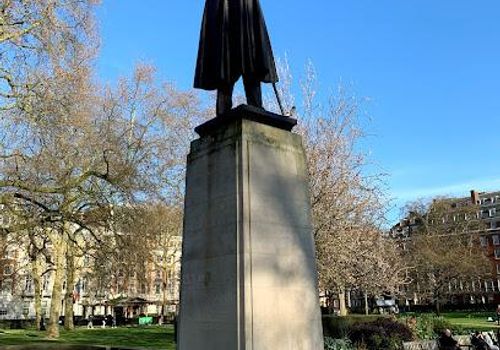
Roosevelt Memorial
The Roosevelt Memorial, prominently located in Grosvenor Square, London, honors Franklin Delano Roosevelt, the U.S. President during World War II. Unveiled in 1948 by Eleanor Roosevelt, the statue stands on a granite plinth surrounded by inscriptions of Roosevelt’s presidential election years and his Four Freedoms. Set within the historic Grosvenor Square gardens, the memorial symbolizes the enduring Anglo-American alliance and commemorates Roosevelt’s leadership during a pivotal era.
Mon–Sat 9:00–17:00Time to spend 0.5–1.5 hrs
-
Sculpture4.9★14 reviews
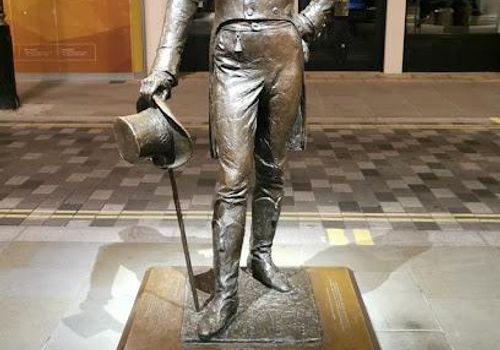
Beau Brummell Statue
A bronze statue honouring George Bryan 'Beau' Brummell, the legendary 19th-century dandy and arbiter of men's fashion in Regency England. Located at the entrance to Piccadilly Arcade on Jermyn Street in Mayfair, this modest yet elegant sculpture captures Brummell in his characteristic pose—one hand on hip, the other holding a top hat and cane. Unveiled in 2002 by sculptor Irena Sedlecka, the statue commemorates a figure who revolutionised menswear by championing understated elegance and precise tailoring over the ostentatious styles of the 18th century.
Time to spend 0.2–1 hr
-
Sculpture4.5★14 reviews
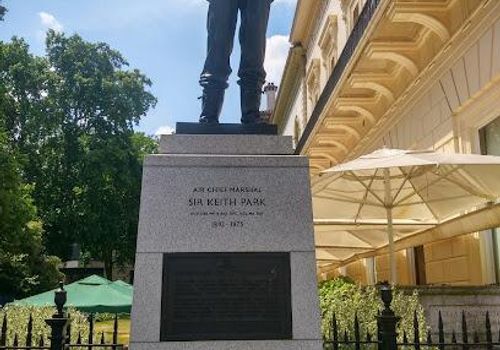
Sir Keith Park statue
The Sir Keith Park statue in Waterloo Place, London, is a distinguished bronze memorial honoring the New Zealand-born Air Chief Marshal whose leadership was pivotal during the Battle of Britain in World War II. Erected in 2010, this statue commemorates Park’s vital role in defending London and southeast England against the Luftwaffe, symbolizing his enduring legacy as a war hero and strategic military leader.
Open 24 hoursTime to spend 0.2–1 hr
-
Historical landmark5.0★7 reviews
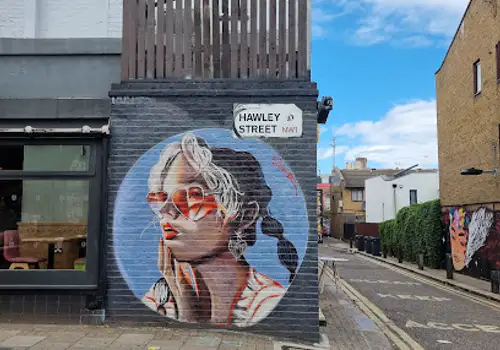
Hawley Street Art
Hawley Street Art in Camden, London, is a dynamic outdoor gallery of street art known for its ever-changing murals and iconic works, including tributes to Amy Winehouse. Located near Camden Market, this historical landmark showcases some of the best curated urban art in the city, blending cultural heritage with contemporary creativity in a lively, colorful setting.
Open 24 hoursTime to spend 1–2.5 hrs
-
Historical landmark4.3★8 reviews
Henry Fawcett Monument
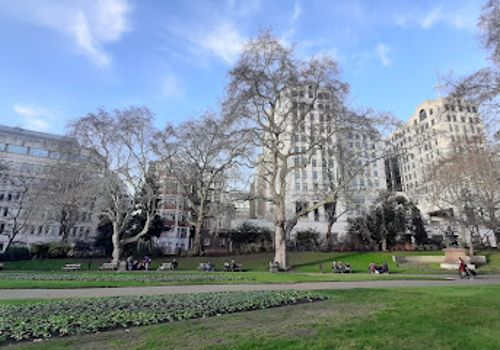
The Henry Fawcett Memorial is a Grade II listed Victorian fountain located in London's Victoria Embankment Gardens. Erected in 1886, it commemorates Henry Fawcett, a pioneering blind politician and social reformer who championed women's suffrage and postal reforms. The memorial features intricate terracotta bas-reliefs and serves as a serene tribute within a tranquil garden setting near central London landmarks.
Open 24 hoursTime to spend 0.5–1.5 hrs
-
Sculpture4.0★6 reviews
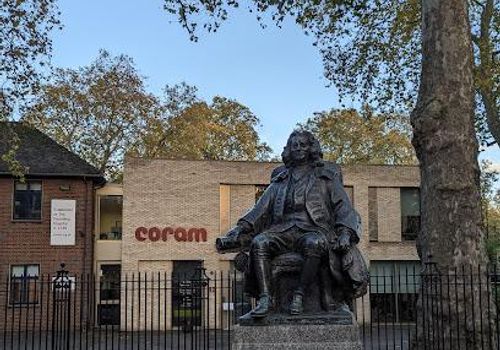
Statue of Thomas Coram
A seated bronze statue of Thomas Coram, the philanthropist who founded the Foundling Hospital, stands in Brunswick Square in Bloomsbury. Designed by sculptor William Macmillan and unveiled in 1963, the statue depicts Coram holding a scroll, based on a portrait by William Hogarth. The figure sits on a granite base inscribed with Coram's dates and his pioneering role in child welfare. Located near the Foundling Museum and Coram's Fields, this monument honours a man whose 17-year campaign transformed the lives of thousands of abandoned children in 18th-century London.
Open 24 hoursTime to spend 0.2–1 hr
-
Sculpture4.0★6 reviews
John Wilkes statue
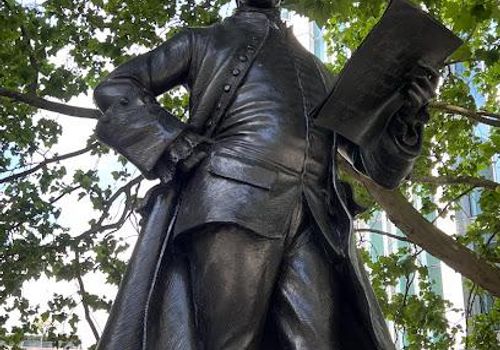
Standing at the junction of Fetter Lane and New Fetter Lane in London, this 1988 bronze statue honours John Wilkes, the fiery 18th-century politician, MP, and Lord Mayor of London. Depicted in 18th-century dress as if delivering a speech, the statue captures Wilkes’s distinctive squint, a feature faithfully reproduced by sculptor James Butler. Located in the heart of the City, it’s a quiet but striking tribute to a controversial champion of liberty and press freedom, easily overlooked amid the surrounding legal and financial district.
Open 24 hoursTime to spend 15–30 min
-
Historical landmark4.3★4 reviews
Richard D’Oyly Carte Monument
The Richard D’Oyly Carte Monument on Victoria Embankment in London commemorates the influential theatre impresario and hotelier who founded the Savoy Theatre and the Savoy Hotel. This distinctive memorial, shaped as an armillary sphere, celebrates Carte’s legacy in British musical theatre and hospitality, standing amidst the scenic gardens along the Thames riverfront.
Open 24 hoursTime to spend 0.5–1.5 hrs
-
Historical landmark3.8★4 reviews
King's Reach commemoration memorial
The King's Reach Commemoration Memorial in London honors the Silver Jubilee of King George V, marking 25 years of his reign in 1935. Situated on the Victoria Embankment near Temple Stairs, this historical landmark features a plaque and sculptural elements that celebrate the naming of this stretch of the River Thames as 'King's Reach' by the Port of London Authority. The memorial stands as a tribute to the king's legacy and the importance of the river in London's history.
Open 24 hoursTime to spend 0.5–1.5 hrs
-
Historical landmark4.7★3 reviews
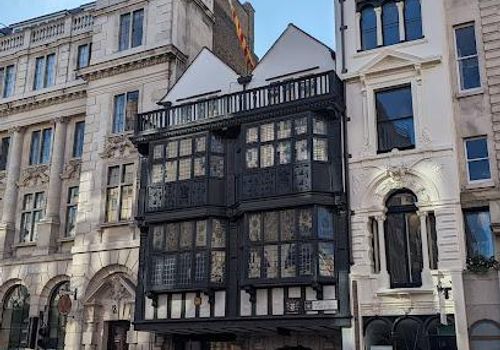
Prince Henry's Room
Prince Henry's Room at 17 Fleet Street is a rare surviving Jacobean timber-framed building in the City of London, dating back to 1610. Once a tavern named The Prince's Arms, it features a richly decorated plaster ceiling with the Prince of Wales's feathers and original oak panelling. Though closed to the public, its exquisite façade and historical significance as a pre-Great Fire survivor remain captivating.
Time to spend 0.5–1.5 hrs
-
Historical landmark5.0★2 reviews
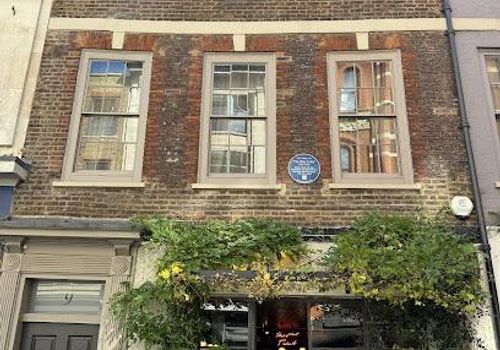
Plaque: Tin Pan Alley & La Giaconda cafe
Located at 9 Denmark Street in London, the Plaque commemorates Tin Pan Alley and the iconic La Giaconda Cafe, a historic hub of British music culture. This small street, with its original 17th-century facades, was the heart of London's music publishing industry and a meeting place for legendary musicians like David Bowie, Elton John, and the Rolling Stones. The cafe was a vibrant social spot where musical ideas flourished, making it a landmark of cultural and musical heritage.
Time to spend 0.5–1.5 hrs
-
Historical landmark4.0★2 reviews
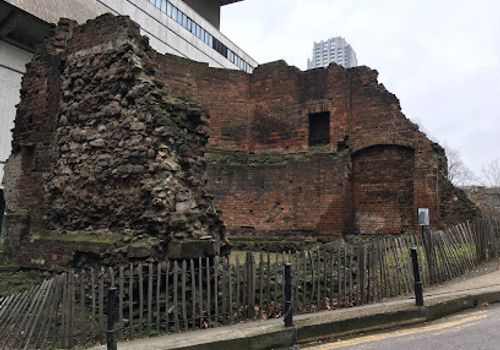
London City Wall - Bastion 14
Bastion 14 is a well-preserved medieval defensive structure built atop the Roman foundations of London’s ancient city wall. Located in the Barbican area, it reveals layers of London's history from Roman Londinium through medieval fortifications to 19th-century urban development. The bastion was partially excavated in 1949, conserved with lime mortar and stainless steel supports, and stands as a Scheduled Monument reflecting London's evolving city defenses.
Open 24 hoursTime to spend 0.5–1.5 hrs
-
Historical landmark1.7★3 reviews
The Old Watch House
The Old Watch House at 4 Strand, London, is a historic parish watch house dating back to at least the early 18th century. Originally used by local watchmen before the establishment of the Metropolitan Police in 1829, it served as a small lock-up and base for patrolling the area. Now part of King’s College London’s campus, this Grade II listed building retains its quaint façade and balcony, offering a glimpse into London’s early policing and community safety history.
Time to spend 0.5–1.5 hrs
-
Historical landmark5.0★1 review
Plaque: David Garrick
This historical plaque at 27 Southampton Street in London honors David Garrick, the influential 18th-century English actor, playwright, and theatre manager. Garrick revolutionized acting with his naturalistic style and managed the prestigious Drury Lane Theatre, shaping British theatre for decades. The plaque marks a site connected to his legacy in the heart of London’s theatre district.
Open 24 hoursTime to spend 15–30 min
-
Historical landmark5.0★1 review
London City wall
The London City Wall is a historic defensive structure originally built by the Romans between 190 and 225 AD to protect Londinium, the ancient Roman city that became London. Stretching about 2 miles and constructed from Kentish ragstone, the wall defined the city's boundaries for centuries. It was maintained and enhanced through the Anglo-Saxon and medieval periods, with surviving sections visible today near Barbican and other parts of the City of London.
Open 24 hoursTime to spend 0.5–2 hrs
-
Historical landmark5.0★1 review
Major-General Lord Cheylesmore Monument
The Major-General Lord Cheylesmore Monument is a Grade II listed stone memorial located in Victoria Embankment Gardens, London. Designed by renowned architect Edwin Lutyens and unveiled in 1930, it honors Herbert Eaton, 3rd Baron Cheylesmore, a British Army officer, administrator, and philanthropist. The memorial features Portland stone construction, a decorative screen with seating, and a small pond, offering a tranquil spot amidst the historic gardens near central London landmarks.
Open 24 hoursTime to spend 0.5–1.5 hrs
-
Building
3 Abbey Rd.
Abbey Road Studios, located at 3 Abbey Road in London’s St John’s Wood, is the world’s most iconic recording studio, established in 1931. Originally a Georgian townhouse, it was transformed into the first purpose-built recording studios, becoming the creative home to legendary artists like The Beatles, Pink Floyd, and Sir Edward Elgar. Renowned for pioneering recording innovations, Abbey Road remains a symbol of musical heritage and innovation.
Price level $$Time to spend 0.5–2 hrs
-
Woburn Walk
Woburn Walk is London's first purpose-built pedestrian shopping street, designed by Thomas Cubitt in 1822 in the heart of Bloomsbury. This Grade II* listed street features fourteen elegant stucco-fronted shops arranged in two symmetrical terraced rows, with residential accommodation on the upper floors. The street's ornate Greek Revival architecture, original gas lamps, and wooden shopfronts create a uniquely preserved snapshot of early 19th-century urban design. Home to W.B. Yeats from 1895–1919, Woburn Walk remains a charming retail enclave and architectural gem.
Time to spend 0.5–2 hrs
-
Sightseeing tour agency
Trip Turkey
Trip Turkey offers an unforgettable sightseeing experience, showcasing the rich culture, stunning landscapes, and historical treasures of Turkey. Ideal for tourists seeking to explore this captivating country through expertly guided tours.
-
Cultural landmark
Former EMI House (Beatles album cover photo)
The site of one of music history's most iconic photographs, the Former EMI House at 20 Manchester Square once served as the London headquarters of EMI Records. Though the modernist building was demolished in 1995, the location remains a pilgrimage site for Beatles fans and music enthusiasts. This Georgian square in Marylebone witnessed the creation of the famous Please Please Me album cover in 1963, when photographer Angus McBean captured The Beatles looking down a stairwell—an image that would define an era.
Time to spend 0.5–2 hrs
-
Montagu Square
Montagu Square is a prestigious Georgian garden square in Marylebone, London, built between 1810 and 1815 as part of the Portman Estate. Named after Elizabeth Montagu, an 18th-century literary patron and social reformer, the square features elegant red-brick townhouses arranged around a tranquil private garden dominated by plane trees planted in 1817. The square gained cultural prominence in the 1960s as home to several Beatles members and rock icons, most notably at No. 34, where John Lennon and Yoko Ono lived during the recording of The White Album. Today it remains one of London's most exclusive residential addresses and a significant landmark in both architectural and music history.
Time to spend 0.5–2 hrs
-
Building
190 High Holborn
A prominent 1970s office tower at a key junction in central London, designed by architect Richard Seifert and clad in dark red granite. Occupying a large corner site on High Holborn, it forms part of the city’s post-war commercial skyline and benefits from proximity to major transport links and central districts like Holborn, Covent Garden and Soho. While primarily a working office building, its scale and location make it a notable urban landmark in the area.
Time to spend 15–30 min
-
Soho Square
Soho Square is a historic Georgian garden square in the heart of London's Soho district, originally laid out in 1681 as King's Square. The central garden features a distinctive mock-Tudor market cross building (1926) and a statue of Charles II carved by Danish sculptor Caius Gabriel Cibber in 1681. Once home to aristocrats, French Huguenot refugees, and notable scientists including botanist Sir Joseph Banks, the square has evolved into a vibrant cultural hub surrounded by Georgian townhouses, media offices, and creative businesses. The square was transferred to public ownership in 1954 and remains a peaceful green oasis amid the bustling Soho neighborhood.
Time to spend 0.5–2 hrs
-
Bow St
Bow Street in London’s Covent Garden is a street steeped in history, known for its 17th-century origins, association with the pioneering Bow Street Runners police force, and its role in the theatrical life of the city. Once home to notable residents and infamous for its mix of markets, brothels, and theatres, Bow Street today reflects a rich cultural heritage amid modern urban life.
Time to spend 0.5–2 hrs
-
Building
3 Savile Row
3 Savile Row, a distinguished Georgian townhouse in London’s West End, is famously known as the Beatles’ Apple Corps headquarters from 1968 to 1970. This historic building hosted the iconic rooftop concert, the band’s final live performance, and housed a recording studio where parts of the Let It Be album were created. Beyond music, it was a hub for peace campaigns and creative collaborations, making it a landmark of cultural and musical history.
Time to spend 0.5–1.5 hrs
-
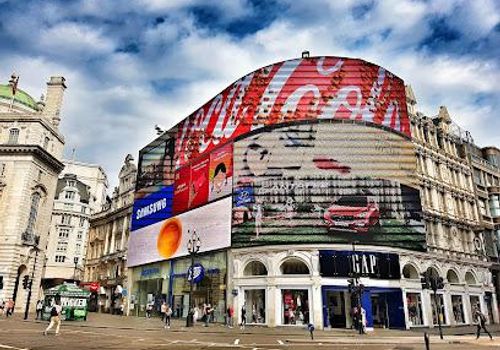
Piccadilly Circus
Piccadilly Circus is a bustling road junction and public space in London's West End, famed for its iconic neon advertising screens, the Shaftesbury Memorial Fountain with the statue of Anteros, and proximity to major shopping, entertainment, and cultural landmarks. Established in 1819, it connects key streets like Regent Street and Piccadilly, serving as a lively meeting point and gateway to London’s theatre district and nightlife.
Time to spend 0.5–2 hrs
-
225 Piccadilly Circus
225 Piccadilly Circus stands at the vibrant core of London’s West End, a bustling junction renowned for its dazzling neon signs, historic architecture, and rich cultural legacy. This landmark area links Regent Street and Piccadilly, serving as a gateway to theatres, shopping, and nightlife. Its famous illuminated advertising and the Shaftesbury Memorial Fountain with Eros statue make it a must-see urban spectacle, blending history with contemporary London life.
Price level $$Time to spend 0.5–2 hrs
-
Building
Burlington House
Burlington House on Piccadilly is a grand 17th-century mansion transformed into a neoclassical landmark, now housing the Royal Academy of Arts and several of Britain’s most prestigious learned societies. Its elegant courtyard and state rooms host major art exhibitions and scholarly gatherings, blending Palladian architecture with centuries of intellectual and artistic life. The building’s history as a private residence, its role in the Georgian Palladian revival, and its current status as a cultural hub make it a quiet but essential stop for anyone exploring London’s architectural and artistic heritage.
Price level $$Time to spend 1–3 hrs
-
Hare Pl
Hare Place, nestled within the Temple district of London, is a historic and atmospheric enclave famed for its deep-rooted connections to the legal profession. Surrounded by iconic barristers' chambers such as Hare Court, this area combines centuries-old architecture with tranquil gardens and narrow lanes, offering a unique glimpse into London's legal heritage and the enduring legacy of the Knights Templar.
Time to spend 0.5–2 hrs
-
Park Ln
Park Lane is an iconic dual carriageway in Westminster's City Centre, stretching nearly three-quarters of a mile from Hyde Park Corner to Marble Arch. This prestigious boulevard separates the verdant expanse of Hyde Park from the elegant Mayfair district, lined with world-class luxury hotels, exclusive residences, high-end retailers, and fine dining establishments. Once a humble country lane known as Tyburn Lane, it transformed into London's most fashionable address from the 18th century onward, attracting prime ministers, business moguls, and London's elite. Today, Park Lane remains a symbol of sophistication and affluence, offering visitors a glimpse into the capital's most refined neighbourhoods while providing excellent connectivity to London's major attractions.
Price level $$$Time to spend 0.5–3 hrs
-
Ludgate Circus
Ludgate Circus is a major traffic junction in the City of London where Fleet Street meets Ludgate Hill, Farringdon Street and New Bridge Street. Though now a busy urban crossroads, it marks the site of Ludgate, one of the original gates in the Roman and medieval London Wall. The name recalls the mythical King Lud, said to have rebuilt London in ancient times. Today, the area is a historic hub near St Paul’s Cathedral, Fleet Street’s legal and media district, and the old Fleet River, with subtle reminders of its past embedded in architecture and sculpture.
Time to spend 0.2–1 hr
-
Lancaster Gate
Lancaster Gate is an elegant mid-Victorian residential and commercial district in central London, situated on the northern edge of Hyde Park and Kensington Gardens. This prestigious Bayswater neighbourhood features stunning stuccoed terraces with classical architecture, housing embassies, offices, and the Lancaster Gate Hotel. The area offers direct access to world-class parks, museums, and transport links, making it an ideal base for exploring London's cultural attractions and enjoying peaceful green spaces.
Price level $$Time to spend 1.5–4 hrs
-
St Martin-in-the-Fields Church Path
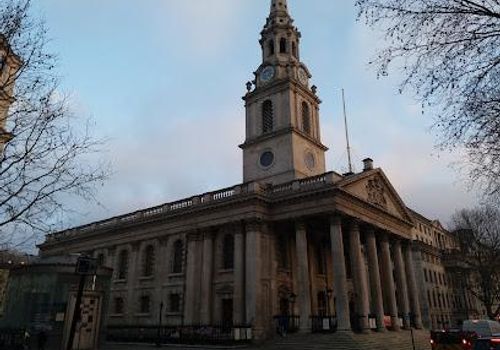
A magnificent neoclassical church anchoring the northeast corner of Trafalgar Square, St Martin-in-the-Fields stands as one of Britain's most influential ecclesiastical buildings. Designed by James Gibbs and completed in 1726, this Grade I listed landmark has served as an active parish church, concert venue, and social hub for nearly three centuries. Its elegant Georgian architecture, featuring a distinctive central steeple and classical portico, has inspired church designs across the English-speaking world. Beyond its architectural significance, the church remains deeply embedded in London's cultural and social fabric, hosting classical music performances, offering sanctuary to those in need, and pioneering innovative community services.
Time to spend 0.8–2.5 hrs
-
Crossroads
John Adam St & Adam St
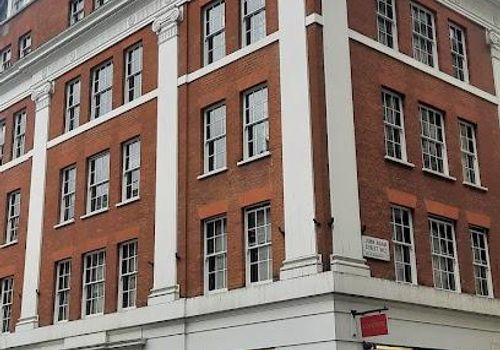
John Adam Street & Adam Street lie in London's historic Adelphi district, a pioneering neoclassical development by the Adam brothers in the late 18th century. This area, once a dilapidated riverside slum, was transformed into elegant terraces and vaulted wharves with innovative subterranean roadways. Though much of the original architecture was replaced by the 1930s Art Deco Adelphi building, surviving structures and streets preserve the Adams’ architectural and cultural heritage in central London’s vibrant riverside quarter.
Time to spend 0.5–2 hrs
-
Arnold Circus
Arnold Circus, located in Shoreditch, London, is the historic centerpiece of the Boundary Estate, Britain's first council housing development. Built in the 1890s on the site of the notorious Old Nichol slum, the estate was designed to provide improved living conditions for the working class, featuring red-brick Arts and Crafts-style buildings arranged around a landscaped circular garden with a bandstand. Today, Arnold Circus stands as a symbol of social reform, urban planning innovation, and a vibrant multicultural community.
Time to spend 0.5–1.5 hrs
-
St James's Square
St James's Square is London’s oldest garden square, a refined oasis of Georgian elegance in the heart of Westminster. Encircled by grand 17th- and 18th-century townhouses, it has long been a hub of aristocracy, politics, and high society. Today, it blends historic charm with modern prestige, housing embassies, private clubs, and global institutions. The square’s central gardens, laid out in the 18th century and crowned by an equestrian statue of William III, offer a peaceful retreat amid the city’s bustle, while its architecture and atmosphere speak of centuries of power, influence, and London’s westward expansion.
Time to spend 0.5–1.5 hrs

















Explore Highgate Cemetery on the map
A handpicked selection of must-see spots near Highgate Cemetery, mapped for you.
More about Highgate Cemetery

More to explore near Highgate Cemetery

 Best experiences near Highgate Cemetery
 Best hotels near Highgate Cemetery
 Best attractions near Highgate Cemetery
 Best shops near Highgate Cemetery
 Best bars near Highgate Cemetery
 Best restaurants near Highgate Cemetery
Explore more

Getting your guide ready…
We are putting together a fresh copy of the Highgate Cemetery guide. This can take up to a minute.
This can take a few moments. If your browser asks, choose Allow so the download can start. You'll find the guide in your Downloads folder.
Nothing happened? Download it again
Sorry, the guide is taking longer than usual. Please try again in a minute, or get it by email instead.

