Best Attractions Near Ribe Kloster (Ribe)
Planning a trip to Ribe Kloster? Discover the best attractions nearby with history, expert tips, and routes. Free on web or the Evendo app.


The best attractions near Ribe Kloster
- Top rated
- Closest to Ribe Kloster
- Price level: low to high
- Time to spend: shortest first
- A–Z
81 attractions
-
National park4.6★7,181 reviews
Wadden Sea National Park
Denmark's largest national park and a UNESCO World Heritage Site, the Wadden Sea National Park stretches across 500 kilometers of intertidal mudflats, sandbanks, and salt marshes along the southwest coast of Jutland. This dynamic ecosystem hosts millions of migratory birds, seals, and rich marine life shaped by dramatic tidal shifts that expose and submerge vast areas twice daily. Visitors can walk on the seabed at low tide, witness the mesmerizing Black Sun phenomenon of starling murmurations, and explore pristine beaches and dune landscapes.
Open 24 hoursTime to spend 2–8 hrs
-
History museum4.6★4,584 reviews
Ribe VikingeCenter
Step 1,300 years back in time at this immersive 12-hectare open-air heritage centre in southern Denmark, where authentic Viking reconstructions bring the ancient trading town of Ripa to life. Meet costumed craftspeople, warriors, and historical figures as they demonstrate traditional skills, from blacksmithing to falconry. Hands-on activities including archery, Viking games, and craft workshops make this an engaging destination for families and history enthusiasts alike.
Daily 10:00–16:30Price level $$Time to spend 3–5 hrs
-
Tourist attraction4.5★4,427 reviews
Ribe Cathedral
Holmegaard Værk, situated in Holmegaard, Denmark, is a distinguished museum dedicated to the art of glass and ceramics. Housed in the historic Holmegaard Glass Factory, it showcases over 40,000 pieces of Holmegaard glass and 6,000 Kähler ceramics, offering visitors a deep dive into Denmark's rich design heritage.
-
Island4.8★2,772 reviews
Rømø
Rømø is a wild, wind-brushed Danish island in the Wadden Sea, famed for its vast drivable beaches, North Sea light and ever-changing tides. Linked to the mainland by a low causeway, it offers wide dune landscapes, tidal flats, birdlife and some of northern Europe’s broadest sandy shores. Between historic whalers’ farms, WWII relics and modern kite buggies racing across Sønderstrand, Rømø blends maritime history with outdoor adventure and a surprising sense of remoteness.
Time to spend 3–48 hrs
-
National park4.4★2,277 reviews
Vadehavscentret
South of Ribe, Vadehavscentret is the award-winning gateway to Denmark’s Wadden Sea National Park and UNESCO World Heritage. Set low in the flat marsh landscape, its thatched, reed-clad architecture seems to grow from the earth, leading into immersive exhibitions on tides, migrating birds and the unique ecology and culture of the Wadden Sea. With hands-on displays, guided nature tours and a relaxed café, it’s an inspiring starting point for exploring this remarkable coastal environment.
Daily 10:00–17:00Price level $$Time to spend 2–4 hrs
-
Tourist attraction4.1★2,055 reviews
Marsk Tower - Marsk tårnet
Marsk Tower is a striking 25 m corten-steel observation tower rising from the flat marshlands of Wadden Sea National Park at Marsk Camp near Skærbæk. Designed by Bjarke Ingels Group as a double-helix spiral of 272 steps, it delivers wide-open 360° views over UNESCO-listed wetlands, the North Sea horizon and the causeway towards Rømø. The tower anchors a broader leisure complex, blending bold contemporary design with one of Denmark’s most evocative landscapes.
Daily 9:00–19:00Price level $$Time to spend 1–3 hrs
-
History museum4.4★1,809 reviews
Museet Ribes Vikinger
Museet Ribes Vikinger in Ribe takes you on a vivid journey through 1,000 years of Danish history, from the birth of Scandinavia’s oldest town around 700 to the late 17th century. Exhibitions weave together the Viking marketplace, bustling medieval trade, religion, crafts and everyday life, using original archaeological finds, models, reconstructions and atmospheric rooms that appeal both to curious families and dedicated history enthusiasts.
Daily 10:00–17:00Price level $$Time to spend 1.5–3 hrs
-
Tourist attraction4.4★1,201 reviews
Glad Zoo
Tucked into the rolling countryside of South Jutland, Glad Zoo is a compact, family‑friendly animal park and education center in Lintrup. Around 70 species live in leafy enclosures, from farm animals and kangaroos to colorful birds and reptiles. Paths wind past play areas, flower gardens and picnic spots, while a small café, grill hut and terraces make it easy to linger. With a cosy, informal atmosphere and hands‑on encounters, it’s an easy day out for families exploring rural Denmark.
Daily 10:00–16:00Price level $$Time to spend 2–5 hrs
-
Tourist attraction4.3★1,176 reviews
Marsk Camp A/S
Set on the edge of the Wadden Sea National Park near Skærbæk, Marsk Camp is a contemporary holiday park built around the striking Marsk Tower viewpoint. The site blends Nordic comfort with raw marshland scenery, offering motorhome pitches, stylish glamping tents, a restaurant, ice cream parlour and mini‑golf within walking distance of Hjemsted Oldtidspark. It’s a relaxed base for birdwatching, tidal landscapes and sweeping sunsets over the flat Danish marshes.
Price level $$Time to spend 2–24 hrs
-
Playground4.8★697 reviews
Skovlegeplads
Skovlegepladsen på Fanø er en large, imaginative forest playground set mid-island in the tranquil Fanø Klitplantage between Rindby and Sønderho. Here, children and adults explore wooden obstacle courses, climbing structures, and whimsical sculptures crafted from natural materials. With themed areas like Sherwood Forest and a fairytale corner, plus fire pits, a covered grill house, and picnic tables, it is an easy, free all‑day outing wrapped in North Sea woodland calm.
Open 24 hoursTime to spend 1.5–4 hrs


Nationalmuseets Kommandørgård
Step into 18th-century maritime wealth at this preserved whaler's estate on Denmark's windswept island of Rømø. The Sea Captain's House showcases lavish period furnishings, Europe's largest collection of Dutch tiles, and a dramatic sperm whale skeleton in the barn. Explore the fully furnished rooms, charming outbuildings, and enjoy Wadden Sea views from the on-site café serving homemade cakes and local refreshments.
Tue–Sun 10:00–15:00Price level $Time to spend 1.5–3 hrs

Naturcenter Tønnisgård
Naturcenter Tønnisgård is a welcoming nature and culture hub on the Danish island of Rømø, tucked beside the Wadden Sea National Park. Housed in an old thatched farm, the center blends exhibition space, family-friendly activities and guided tours that introduce you to migrating birds, seals, tidal flats and island traditions. It is an excellent starting point for exploring Rømø’s wide beaches, dune landscapes and the UNESCO-listed Wadden Sea, with hands-on displays and knowledgeable staff bringing the fragile coastal ecosystem to life.
Mon–Fri 10:00–16:00Price level $Time to spend 1–3 hrs

Esbjerg Bypark
Esbjerg Bypark is a creative and artistic green oasis in the heart of Esbjerg, Denmark, where art, culture, and nature converge. This vibrant public park features mature trees, open lawns, a children's playground, and a performance stage that hosts free concerts and cultural events throughout the year. The Poetic Art Route integrates words revealed in sunlight with QR codes for audio art, while installations like Lykkens Have (Garden of Happiness) add contemporary artistic depth. With its harbor views and proximity to the Esbjerg Performing Arts Centre and Water Tower, the park serves as a dynamic meeting point between city and port.
Daily 7:00–22:00Time to spend 1–2.5 hrs

Riberhus Slotsbanke
Riberhus Slotsbanke is the grassy castle mound of Ribe’s former royal stronghold, once a favoured residence of medieval Danish kings. Today the earth ramparts, water-filled moat and low ruins hint at the grandeur of the 12th‑century fortress built by King Niels and later home to Queen Dagmar. A bronze statue of the beloved queen crowns the hill, which doubles as a peaceful vantage point with open views across Ribe’s red roofs, church towers and the surrounding Wadden Sea marsh landscape.
Open 24 hoursTime to spend 0.5–1.5 hrs

Sønderho Mølle
Perched on a low hill at the edge of the village of Sønderho on Fanø, Sønderho Mølle is a beautifully restored gallery Dutch windmill from 1895. Saved from demolition in 1928 by the Gamle Sønderho Foundation, it now stands almost as it did in the late 19th century, with its octagonal body, masonry base and encircling gallery. Visitors can step inside the unmanned mill, explore several wooden floors, study the ingenious mechanics and enjoy sweeping views over the Wadden Sea landscape.
Price level $Time to spend 0.5–1.5 hrs

Riplay - Børnenes Ribe
Riplay – Børnenes Ribe is a vast 12,500 m² outdoor play park in Ribe, designed as a free adventure world for children and their grown‑ups. Spread across themed zones with around 20 slides, climbing towers, ziplines, obstacle courses and imaginative Viking‑inspired play areas, it mixes movement, learning and storytelling. Picnic spots, shelters, a kiosk for snacks and drinks, and nearby restrooms make it easy to linger for hours in this playful corner of Denmark’s oldest town.
Daily 8:00–22:00Time to spend 1.5–4 hrs

Bunker und Bunkertour Römö
Hidden in the pines of Tvismark Plantation on the island of Rømø, the Bunker Tour led by Naturcenter Tønnisgård opens up the secret world of the German Second World War radar position "Robbe Nord". Between dunes, heath and forest floor you follow former trenches to about 15 concrete bunkers, some still sealed, others opened with a guide’s key and lamp. It is an atmospheric blend of nature walk, military history and hands‑on exploration, with the chance to crawl through a narrow emergency shaft into the underground.
Open 24 hoursPrice level $$Time to spend 2–3 hrs

Ribe Kunstmuseum
Ribe Kunstmuseum is one of Denmark’s oldest art museums, housed in a finely restored 19th-century villa in the heart of Ribe. Inside, you’ll find a celebrated collection of Danish art from around 1750–1940, including Golden Age painters, Skagen artists and classic modernists, presented in intimate, light-filled galleries. Outside, a romantic garden with lawns, trees and a pavilion slopes gently towards the stream, framing tranquil views across to Ribe Cathedral and offering a peaceful spot for a coffee or quiet wander.
Tue–Sun 11:00–16:00Price level $$Time to spend 1–2 hrs

Hex! Museum of Witch Hunt
HEX! Museum of Witch Hunt explores the dark history of witch persecution in 16th and 17th century Denmark and Europe through immersive audio guides, historical artifacts, and compelling visual storytelling. Located in Ribe's historic center—the epicenter of Danish witch trials—the museum tells the tragic story of Maren Spliids, Denmark's most famous witch, burned at the stake in 1641. The exhibition uses interactive screens, period reconstructions, and poignant films to examine why ordinary people feared witches and why women were disproportionately convicted. Suitable for visitors aged 10 and older.
Daily 10:00–17:00Price level $$Time to spend 1–2 hrs

Replika af langhus fra Vikingetiden
A full-scale reconstructed Viking longhouse located on the outskirts of Ribe, Denmark's oldest town. This archaeological replica showcases authentic building techniques and materials from the 8th century, offering visitors a tangible connection to daily life during the Viking Age. The structure demonstrates how permanent settlements developed in early Scandinavian trading centers, with exhibits and interpretive displays that bring Viking domestic architecture to life.
Daily 10:00–15:30Time to spend 0.8–2 hrs

Gram Clay Pit
Gram Clay Pit in southern Jutland is a rare place where you can literally dig into Denmark’s prehistoric past. Ten million years ago this was the seabed of the Gram Sea; today, an engaging palaeontology museum and adjoining clay pit invite you to learn about ancient whales, giant sharks like Megalodon, and a host of marine creatures. Families and fossil fans can borrow tools and rubber boots, hunt for fossils in the soft clay, then step indoors to see spectacular whale skeletons and expertly curated exhibitions that bring this vanished ocean world to life.
Daily 10:00–17:00Price level $Time to spend 1.5–4 hrs

Seal Bank Walk Meeting Point
Set at the windswept end of Sønderho Strandvej on Fanø, the Seal Bank Walk Meeting Point is the sandy gateway to one of Denmark’s most memorable wildlife encounters. From this wide, open beach you head out at low tide across the exposed seabed towards Galgerevet, a distant sandbank where harbour and grey seals haul out to rest. It is an atmospheric spot of big skies, shifting light and tidal flats, and the start of guided safaris into the heart of the Wadden Sea National Park.
Time to spend 1.5–3 hrs

Esbjerg Museum
Esbjerg Museum is a compact yet richly layered history museum in the heart of Esbjerg, charting the city’s rise from windswept trading outpost to modern North Sea hub. Housed in a dignified early 20th-century building on Torvegade, it weaves together archaeology, urban history and the story of daily life between 1900 and 1950. Atmospheric period rooms, detailed models and evocative objects bring amber, occupation-era Denmark and the boom years of the port to life, making this a rewarding stop for anyone curious about how Esbjerg became Denmark’s energetic west-coast city.
Wed–Thu 10:00–14:00 · Fri–Sun 12:00–16:00Price level $Time to spend 1–2 hrs

St. Catherine's Priory, Ribe
St. Catherine's Priory in Ribe is one of Scandinavia’s best‑preserved medieval monastic complexes, a serene enclave tucked into Denmark’s oldest town. Founded in 1228 as a Dominican friary and later transformed into a parish church, it combines Romanesque and Gothic architecture around a peaceful cloister garden. Step through its brick arcades to find a cool, whitewashed church interior with historic furnishings, quiet corners for contemplation, and a palpable sense of centuries of prayer and daily monastic life.
Time to spend 0.5–1.5 hrs

Den Gamle Arrest, Ribe
Den Gamle Arrest is a listed 16th‑century building on Ribe’s main square, a few steps from the cathedral. Once a chaplain’s residence, later a girls’ school and finally the town prison, it now operates as a small, atmospheric guesthouse where heavy cell doors, thick walls and creaking floors echo centuries of Ribe history. Its unbeatable central location makes it an evocative base for exploring Denmark’s oldest town and the surrounding Wadden Sea landscape.
Price level $$Time to spend 0.5–24 hrs

Esbjerg Art Museum
A pioneering museum of modern and contemporary art located in central Esbjerg, Denmark. Founded in 1910, it houses over 3,500 artworks spanning from the 19th century to today, with a reputation for experimental exhibitions and innovative curatorial approaches. The museum features works by renowned Danish artists alongside international contemporary pieces, housed in a striking building that is itself considered an artwork. Free admission for children under 18 and students.
Tue–Sun 10:00–16:00Price level $Time to spend 1.5–3 hrs

Hvalkæbehegn ved Hvalfangergården
Tucked along Juvrevej on the Wadden Sea island of Rømø, the Hvalkæbehegn ved Hvalfangergården is a rare reminder of the island’s whaling era. Here, massive whale jawbones once brought home by seafaring captains were set upright as fence posts, turning a simple farm boundary into a striking outdoor monument. Today this preserved whalebone fence and traditional farmhouse setting tell a compact but powerful story about life, danger and prosperity on the North Sea in the 17th–19th centuries.
Open 24 hoursTime to spend 0.5–1 hr

Ballum Sluse
Ballum Sluse is a historic sea lock on the Wadden Sea coast near Bredebro, where the Brede Å river meets the tidal flats. Built in 1914–1915 as part of the Ballum-Astrup dike system, the small red-brick lock house stands amid wide salt marshes, grazing meadows and big skies. Visitors come for sweeping views over the Wadden Sea, excellent birdwatching, evocative storm-surge history and tranquil walks along the dike, often combining the stop with a meal at nearby Ballum Slusekro.
Time to spend 0.5–2 hrs

Pælebjerg - Det højeste punkt på Fanø
Pælebjerg rises a modest 21 meters above sea level, yet it claims the title of Fanø’s highest point and one of the island’s famed “Big Five” hills. Set in the western edge of Fanø Klitplantage, it offers wide views over rolling heath, dunes, and patches of conifer forest, with nearby Pælebjerg Lake adding a tranquil touch. Simple paths, wind-shaped pines and open sky make this a gentle, family-friendly nature stop rather than a demanding hike.
Time to spend 0.5–2 hrs

Rømødæmningen
Rømødæmningen is Denmark’s longest road causeway, a striking 9.2 km ribbon of asphalt crossing the Wadden Sea between the mainland near Skærbæk and the island of Rømø. Built from 1939 to 1948 as both an engineering project and employment scheme, it now offers sweeping views of tidal flats, grazing sheep and ever‑changing skies. With small lay‑bys for safe stops, it is a powerful introduction to the unique marshland landscapes of the Wadden Sea National Park and a favoured spot for birdwatching in all seasons.
Open 24 hoursTime to spend 0.5–1.5 hrs

Fanø Kunstmuseum
Fanø Kunstmuseum is a small, atmospheric art museum in Nordby on the island of Fanø, dedicated to artists drawn here by the island’s luminous Wadden Sea light. Housed in an old merchant’s building, it combines intimate historic rooms with a changing program of exhibitions focused on Fanø, the Frisian coast, and the surrounding seascape. Expect carefully curated paintings, drawings, and graphics by Danish, German, and Swedish artists, alongside contemporary works that reflect island life, weather, and working maritime culture.
Tue–Sun 13:00–17:00Price level $Time to spend 0.5–1.5 hrs

Jacob A. Riis Museum
Housed in a beautifully preserved medieval building in Ribe's historic quarter, the Jacob A. Riis Museum tells the compelling story of a Danish boy who emigrated to America and became one of the most influential social reformers and photojournalists of the late 19th century. Through carefully curated exhibits featuring Riis' groundbreaking photographs and personal artifacts, the museum chronicles his transformation from struggling immigrant to crusader for social justice in New York's tenements. The intimate setting in his childhood home creates a deeply personal connection to his remarkable life journey.
Daily 10:00–17:00Price level $$Time to spend 1–2 hrs

Rasteplads
Låningsvejen Rasteplads is a simple coastal stopping place on the causeway between Ribe and Mandø, set directly behind the protective dike on the edge of the UNESCO-listed Wadden Sea National Park. Travelers pause here to stretch their legs, breathe the salty North Sea air and step out toward the tidal flats when conditions allow. With big skies, birdlife and shifting tides, this modest parking area doubles as an atmospheric nature lookout and classic roadtrip pause in southwest Jutland.
Open 24 hoursTime to spend 0.5–2 hrs

Sønderho Gl. Fuglekøje
Hidden in the heathland between Nordby and Sønderho on Fanø, Sønderho Gl. Fuglekøje is a rare, 19th‑century duck decoy turned open‑air museum. A pond with six curving trapping channels, information boards and a small observation tower explain how islanders once lured wild ducks here for food, and later for scientific ringing. Today it is a peaceful nature site with free access, quiet woodland paths and wide views over Albue Bay and the Wadden Sea.
Open 24 hoursTime to spend 1–2 hrs

Hannes Hus
Hannes Hus in Sønderho on Fanø is a beautifully preserved 18th–19th century skipper’s widow’s house, offering an intimate glimpse into everyday island life when Fanø was home to a major sailing fleet. Low-beamed rooms, painted furniture, ship models and traditional textiles remain much as they were left, creating a rare time capsule of maritime domestic culture. With its compact scale, personal stories and knowledgeable guides, this small museum feels more like stepping into a lived-in home than visiting a formal exhibition.
Tue–Sun 14:00–16:00Price level $Time to spend 0.5–1 hr

Vester Vedsted Vingård
Tucked into the flat marshland just outside Ribe, Vester Vedsted Vingård is a working Danish vineyard, distillery, microbrewery and destination restaurant in one. Rows of hardy grapevines, a small forest as neighbour and big West Jutland skies frame a cosy farmhouse complex where organic, locally sourced tasting menus are paired with estate wines, beers and spirits, and where guided tours, a farm shop and simple overnight stays in the vineyard round out the experience.
Price level $$Time to spend 1.5–4 hrs

Ribe Kloster
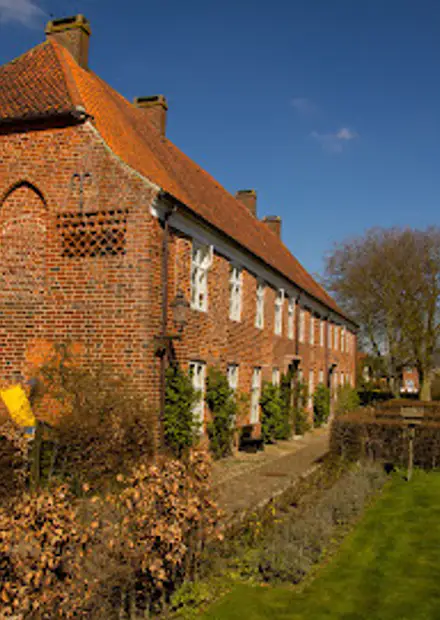
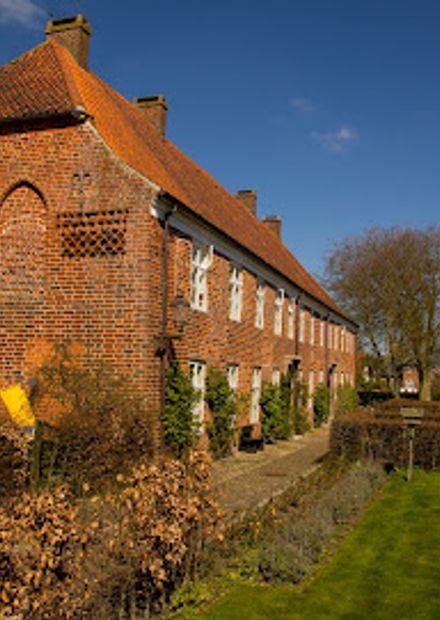
Tucked into the cobbled heart of Ribe, Ribe Kloster – also known as Sct. Catharinæ Convent – is a quiet cloister complex where medieval monastic life once unfolded behind thick brick walls. Today, its church, courtyards and historic buildings offer a rare glimpse into Denmark’s earliest Christian heritage, set amid timbered houses, flowering gardens and the soft echo of bells from nearby Ribe Cathedral.
Time to spend 0.5–1.5 hrs

Rømø shooting area
Stretching across the wild northern tip of Rømø, the Rømø shooting area is a vast dune and heathland landscape that doubles as both military training ground and protected nature. When not in active use, its sandy tracks, heather-clad hills and far-reaching views attract hikers, cyclists and nature lovers seeking a raw slice of Wadden Sea island wilderness. Expect wind, wide open skies, larks overhead and a strong sense of remoteness just a short way from the island’s villages.
Time to spend 1–3 hrs

Det Gamle Rådhus Ribe
Set on cobbled Von Støckens Plads in Denmark’s oldest town, Det Gamle Rådhus is a compact yet atmospheric former town hall where justice was once dispensed, prisoners were kept behind bars and city politics played out for centuries. Today, its timbered rooms host a small historical exhibition, intimate weddings, and guided activities linked to Ribe’s famous night watchmen, offering a vivid glimpse into the town’s civic past in an evocative medieval setting.
Mon–Fri 13:00–15:30Price level $Time to spend 0.5–1.5 hrs

Albue Fuglekøje
Hidden in the quiet hinterland of Fanø, Albue Fuglekøje is a historic duck decoy set among pine woods and low dunes near Albue Bay. Once a working bird trap using curved netted channels and trained decoy ducks, it now serves as an open-air glimpse into the island’s maritime hunting heritage. Simple paths, grassy clearings and information boards invite an unhurried wander, combining cultural history with a peaceful nature walk in the Wadden Sea landscape.
Time to spend 0.5–1 hr

Stormflodssøjlen
Stormflodssøjlen, the Flood Column on Ribe’s old harbourfront, is a striking oak pole crowned with a gilded “hat” and encircled by bronze rings that mark historic storm-surge water levels. Erected in 1922, it stands over the river as a vivid reminder of how often the sea has flooded Denmark’s oldest town, from the devastating 17th‑century surges to more recent events, and of the dikes and sluices now protecting the low-lying marshlands.
Open 24 hoursTime to spend 15–45 min

Stormflodssøjlen, Sønderho
Stormflodssøjlen in Sønderho is a slender storm surge pillar on the harbor that quietly tells the dramatic story of the Wadden Sea’s power. Marked with historic water levels from major storm floods, it stands beside the old, now silted harbor basin, framed by tidal flats and low dikes. This modest monument makes the forces of wind and sea tangible and links Sønderho’s pretty village scenery with a sobering reminder of life on Denmark’s exposed west coast.
Open 24 hoursTime to spend 0.5–1 hr

Østskoven
Østskoven is a tranquil forest on the eastern edge of Esbjerg, offering a green escape of winding paths, small lakes and peaceful clearings. Locals come here to walk, run and cycle along waymarked trails, follow a heart route for exercise, or simply enjoy a quiet woodland stroll. Shelters, a simple nature campsite and a bonfire hut make it a low-key base for outdoor overnights, while information boards and an antiquity-themed poster exhibition hint at the area’s cultural and historic layers.
Open 24 hoursTime to spend 1–4 hrs

Ribe Domkirkeplads
Ribe Domkirkeplads is a small but handy parking area right beside Ribe Cathedral in the heart of Denmark’s oldest town. Set on the historic main square, it gives drivers rapid access to the Domkirke, surrounding cobbled streets, shops and cafés. Stays are typically short, and you must use a parking disc, but for quick visits, photo stops and strolling straight into the medieval center, this is the most convenient spot you can find.
Time to spend 0.5–1 hr

Mandø Mølle
Mandø Mølle is the small Wadden Sea island of Mandø’s unmistakable landmark: a compact black-and-white Dutch-style windmill rising above the dike and low village houses. Once part of the island’s struggle to tame wind and grain, it now stands as a carefully preserved symbol of local heritage, visible long before you reach the village. Seasonal openings, simple displays and big skies all around make it an atmospheric stop on any Mandø visit.
Time to spend 0.5–1.5 hrs

Taarnborg
Tucked into Ribe’s cobbled heart, Taarnborg is a beautifully restored Renaissance house that once housed the town’s last Catholic priest and later the hymn writer and bishop Hans Adolph Brorson. Behind its brick façade and stepped gable lies an intimate world of timbered rooms, creaking floors and period details that trace the town’s religious and cultural history. Today it serves as a quiet cultural venue, hosting talks, literature events and small gatherings in an atmospheric historic setting.
Time to spend 0.5–2 hrs

Landgangen
Landgangen in Esbjerg is an elevated corten-steel promenade that sweeps from the city centre to Dokhavnen, giving pedestrians and cyclists a safe, car-free route between leafy parkland and the working harbour. Opened in 2018 for Esbjerg’s 150-year jubilee, the rust-red structure curves like a branching tree limb, creating small terraces with benches and glass balustrades where you can pause, watch port life unfold and enjoy views towards the Wadden Sea. Fully accessible with gentle gradients, handrails and an elevator at the harbour end, it is both everyday infrastructure and a striking piece of urban design.
Open 24 hoursTime to spend 0.5–1.5 hrs

Fanø Blokart
Experience the thrill of land sailing on Denmark's famous Rindby Strand beach. Fanø Blokart offers guided sessions in three-wheeled sailing carts where speeds of 30–50 km/h are easily achieved. Located 2 km south of Rindby Strand on Fanø Island's wide, firm beach, this activity requires no prior experience. Children from 135 cm and adults can operate the carts after a brief instruction. The beach has hosted land sailing since the early 1900s and remains one of Europe's premier venues for this unique sport.
Daily 10:00–16:00Price level $$Time to spend 1–3 hrs

Wooden bridges
Tucked behind Ribe’s historic streets, the Wooden Bridges form a tranquil crossing over the Ribe Å, linking small tree‑covered islets and grassy banks just steps from the old town. This little cluster of simple timber footbridges offers a quiet pause from the city’s medieval bustle, with reflections in the slow-moving water, views toward Ribe’s red roofs and cathedral tower, and a sense of everyday Danish hygge in the open air. Nearby, a modest bust of Jacob A. Riis hints at the town’s connection to one of America’s pioneering social reformers.
Open 24 hoursTime to spend 0.5–1.5 hrs

Esbjerg Byhistoriske Arkiv
Tucked into a historic building on Torvegade in central Esbjerg, Esbjerg Byhistoriske Arkiv is the city’s memory bank: a local history archive where photographs, maps, personal papers and municipal records trace the transformation from small railway and ferry town to major North Sea port. Part reading room, part quiet museum, it invites anyone with a curiosity for Esbjerg’s past—whether researching family roots, maritime stories or everyday city life—to dig into well-organised collections with expert staff on hand.
Time to spend 0.5–3 hrs

stormflodssøjlen mandø
Standing at the edge of Mandø’s dunes on Strandvej, the Stormflodssøjlen (storm surge column) is a stark wooden marker of centuries of dramatic North Sea floods. Bronze or painted rings show the water levels reached during historic storm surges, including the catastrophic 1634 event when the sea rose more than six meters above normal and thousands of people along the Wadden Sea coast drowned. Between the village, the rescue station and the open shore, this simple column turns a peaceful coastal stroll into a powerful encounter with Mandø’s constant struggle with the sea and its ever‑changing tides.
Open 24 hoursTime to spend 0.5–1.5 hrs

Misthusum
Set in the flat Wadden Sea marshes southwest of Skærbæk, Misthusum is a quiet historical landscape of abandoned dwelling mounds linked to medieval Frisian settlers. These raised earth platforms once protected isolated farms from storm surges and tides, and today they form a low, sculpted pattern in the grasslands. With big skies, grazing animals and a strong sense of remoteness, Misthusum is an atmospheric stop for history‑minded visitors exploring the Danish marsh coast.
Time to spend 0.5–1.5 hrs

Mini dyrepark Ribelund
A charming small animal park in Ribe where visitors can get up close with friendly animals including red deer, petting goats, donkeys, horses, and small kangaroos. The park features a bird observation platform overlooking the Ribe Marshes and a covered picnic area for packed lunches. Perfect for families seeking an interactive outdoor experience with animals in a natural setting.
Price level $Time to spend 1.5–3 hrs

Udsigtspunkt
Perched on the flat marshland outside Skærbæk, this simple "Udsigtspunkt" is effectively the vantage area at Marsk Tower, a sculptural 25 m lookout designed by Bjarke Ingels Group. From the raised platform and surrounding paths you stare out across the vast Wadden Sea National Park, a UNESCO World Heritage landscape of sky, sea and marsh. Even if you do not climb the tower, this viewpoint offers big skies, birdsong and an immediate sense of the open Sønderjylland marshes.
Price level $Time to spend 0.5–1.5 hrs

Esbjerg Printing Museum
Tucked into a modest building in central Esbjerg, the Printing Museum is a hands-on tribute to the age of lead type, inky fingers and clattering presses. Run by passionate volunteers, this small technical museum preserves working letterpress machines, typesetting equipment and printing tools that trace the evolution of local newspaper, book and poster production through the 19th and 20th centuries. It is an intimate, curiosity-sparking stop for design lovers, history buffs and anyone intrigued by how ideas became ink on paper.
Time to spend 1–2 hrs

Kannikegaarden
Kannikegården in Ribe is an award-winning parish hall and cultural venue that hovers above the excavated ruins of Denmark’s oldest known brick house, once part of the medieval canon’s quarter by Ribe Cathedral. The timber-clad gabled volume, with its discreet glass base, blends contemporary Nordic design with a quiet respect for the town’s thousand-year history. Inside, you can look down onto the protected ruins, read about the site’s past, and experience how new architecture can both frame and safeguard a fragile archaeological treasure.
Price level $Time to spend 0.5–1.5 hrs

Vikingborg
Tucked just outside Denmark’s oldest town, Vikingborg is an intimate Viking-themed attraction that brings Ribe’s early medieval past into sharp focus. This compact reconstructed stronghold evokes the feel of a timber fort and trading outpost, with rustic structures, earthworks and details inspired by archaeological research from the region. It is a quiet, atmospheric stop for history-minded travellers, complementing the larger Ribe Viking attractions with a more low-key, contemplative take on Viking life and defence.
Time to spend 0.5–1.5 hrs

Ribe Water Wheel
Tucked at the end of Nederdammen in Denmark’s oldest town, the Ribe Water Wheel is a small but evocative reminder of how the river once powered the city’s mills and trade. Set above one of the dam’s fast-flowing channels, the reconstructed wheel turns steadily beside half-timbered houses and cobbled streets, adding the rhythmic splash of water to Ribe’s medieval soundtrack. It is less a standalone attraction than a characterful highlight on a slow wander through the historic centre.
Time to spend 15–30 min

Gasse Høje
Rising to 51 meters above the flat marshlands east of Skærbæk, Gasse Høje is the highest point in the area and home to 27 prominent prehistoric burial mounds. Scattered along the ridge and visible from afar, these grassy tumuli overlook the Ballum marshes and Wadden Sea landscape, blending archaeology, quiet countryside walking routes and far‑reaching views in one atmospheric South Jutland hilltop.
Time to spend 1–3 hrs

Mandø Museum
Step into a preserved 19th-century skipper's home on the remote Danish island of Mandø, where original furnishings and maritime artifacts tell the story of a seafaring community. This intimate museum captures the essence of island life during the golden age of Danish shipping, with period rooms arranged as if the family has just stepped out. Accessible only by tractor-bus across the Wadden Sea mudflats, the museum offers a genuine glimpse into a vanished way of life on one of Denmark's most isolated inhabited islands.
Price level $Time to spend 1.5–4 hrs

Marskdestilleriet
Marskdestilleriet is a modern craft distillery on the island of Rømø, where small-batch gin, aquavit and other spirits are inspired by the surrounding Wadden Sea landscape. Set in a sleek, contemporary building near the island’s main approach, it combines production, tastings and a casual dining space, with large windows framing views over the flat marshland. Expect a relaxed yet refined stop for regional flavours, educated tastings and light meals built around local ingredients.
Tue–Fri 11:00–17:00 · Sat–Sun 11:00–16:00Price level $$Time to spend 1–3 hrs

Turbåden Mandøpigen
Turbåden Mandøpigen is a small tour ferry operating between the Wadden Sea islands of Rømø and Mandø, offering intimate seal, bird and oyster safaris in one of Denmark’s wildest coastal landscapes. Departing from the quiet northern tip of Rømø near Juvre, the boat glides through shallow tidal waters, passing sandbanks where seals bask and migratory birds feed. With just a handful of passengers on board, the focus is firmly on nature: shifting sands, big skies and the ever‑changing mood of the North Sea.
Price level $$Time to spend 2–3 hrs

Museum For Vikingtid Og Middelalder
At Museet Ribes Vikinger in Ribe, Denmark’s oldest town, you step into a thousand years of history, from the first Viking marketplace around year 700 to the bustling Renaissance port city. Atmospheric galleries overlooking the Ribe Å river are filled with archaeological treasures: jewellery, tools, runic stones and ship fittings that trace Ribe’s rise as Scandinavia’s key trading hub. Immersive installations, detailed models and hands‑on activity areas bring daily life, belief and craftsmanship in Viking and medieval Ribe vividly to life for all ages.
Daily 10:00–16:00Price level $Time to spend 1–2 hrs

Garagebunker
Tucked into the heather-clad dunes near Bolilmark on Rømø, the Garagebunker is a compact Second World War bunker that once formed part of the island’s German radar and coastal defence system. Today it sits quietly among pine and scrub in Tvismark Plantation, its concrete shell softened by moss and sand. Visitors come to peek into Denmark’s wartime past, combine a short historic stop with a nature walk, and sense how military architecture has been reclaimed by the North Sea landscape.
Time to spend 0.5–1.5 hrs

Mammutbunkeren
Hidden in the trees of Tvismark Plantation on Rømø, the so‑called Mammutbunkeren is one of the island’s most impressive World War II fortifications. Built by the occupying German forces as part of the Atlantic Wall, it once housed a massive radar installation watching the North Sea. Today, the huge concrete structure is partly buried in dunes and heather, offering an atmospheric glimpse of military history in the middle of a quiet coastal landscape.
Time to spend 1–2 hrs

Bålpladsen
Bålpladsen is a simple yet atmospheric public campfire spot set in the wild dunes and heather of Rømø, Denmark’s windswept Wadden Sea island. Here, semicircular firepits, rustic benches and the scent of woodsmoke create a quintessentially Danish hygge atmosphere, especially toward sunset. It is a relaxed, informal place where families, friends and solo travelers gather to grill, share stories and feel close to nature between beach, moor and low woodland.
Time to spend 0.5–3 hrs

Buste af Jacob A. Riis
Set on the quiet Sct Catharinæ Plads in Ribe’s old quarter, the bronze bust of Jacob A. Riis honours the local boy who became a pioneering photojournalist and social reformer in New York. Created by Danish sculptor Gudrun Steen-Andersen, the monument links Ribe’s cobbled streets with the tenements of Manhattan, offering a compact but evocative stop where you can reflect on Riis’s life, his journey from Denmark to America, and his influence on modern social photography.
Open 24 hoursTime to spend 0.5–1 hr

Mount Farup
Despite its playful name, Mount Farup is not a mountain at all, but a quietly sculpted garden and low rise in the flat marshland just outside Ribe. Tucked along Nørre Farup Vej, this small landscaped spot offers open skies, neat lawns, and plantings shaped by the North Sea wind. It feels more like a green outdoor room than a formal park: a place to pause on a bike ride, admire the ever-changing clouds, and experience how even the slightest elevation transforms the views over the surrounding fields and village.
Open 24 hoursTime to spend 0.5–1.5 hrs

Gangbroen over Toldbodvej, Esbjerg Havn
Gangbroen over Toldbodvej is a striking pedestrian and cycle bridge linking central Esbjerg with the busy dock harbour. Spanning Hulvejen and the port approach roads, it offers an elevated corridor above truck traffic and rails, giving visitors unusual perspectives on cranes, ferries, wind-energy vessels and the industrial waterfront. More than a practical shortcut, the gangway forms part of Esbjerg’s newer harborfront redesign, inviting you to stroll, pause at lookouts, and watch the choreography of a working North Sea port.
Time to spend 0.2–1 hr

Flood column in Ribe
Rising beside Ribe’s historic harbour at Skibbroen, the wooden Flood Column is a stark, elegant marker of just how high the storm surges of the Wadden Sea have climbed over Denmark’s oldest town. Metal rings record centuries of catastrophic floods, with the highest more than 6 m above normal water level, commemorating the devastating 1634 storm that drowned thousands in the region. This simple yet powerful landmark turns a pretty waterfront stroll into a vivid encounter with natural forces, engineering resilience and coastal history.
Time to spend 0.5–1.5 hrs

Havegærde Af Hvalunderkæber
On the quiet northern side of Rømø, in the tiny village of Juvre, Havegærde Af Hvalunderkæber is a striking garden fence built from massive whale jawbones. Erected in the 18th century by seafarers returning from Arctic whaling voyages, the bleached bones now frame a traditional thatched farmhouse, creating one of Denmark’s most unusual historic curiosities. Visible directly from Juvrevej, this protected monument is a quick but memorable stop that vividly evokes Rømø’s maritime past.
Time to spend 0.5–1 hr

Juvre Sand
Juvre Sand occupies the remote northern tip of Rømø, a 20 km² expanse of tidal flats and dunes closed to public access and used as a Danish military training ground. While you cannot enter the sands themselves, an observation platform and the Juvre Dyke offer safe, elevated views over the exercise area, vast marshes and the Wadden Sea. It is a curious mix of raw coastal nature, birdlife and heavy equipment, framed by big skies and the ever‑changing tides.
Time to spend 0.5–2 hrs

Borgmesterhaven
Tucked along Rolfsgade in central Esbjerg, Borgmesterhaven is a modest neighborhood park that offers a welcome patch of green amid apartment blocks and everyday city life. Simple lawns, pathways and benches make it a low-key spot for a breather, a casual chat or a quick play break for younger kids. It is more of a local hangout than a destination park, ideal if you are nearby and want a quiet pause outdoors without leaving the city streets behind.
Open 24 hoursTime to spend 0.5–1 hr

Mosaicvæg “Verdensarven Vadehavet”
Tucked into a courtyard off Skolegade in central Esbjerg, the mosaic wall “Verdensarven Vadehavet” is a 27‑meter-long outdoor artwork celebrating the UNESCO-listed Wadden Sea. Created by artist Lotte Lambæk together with eight users of the local Culture and Leisure House, the colourful piece translates tidal flats, birdlife and coastal landscapes into shimmering tiles. It is a compact, free and quietly atmospheric stop that links Esbjerg’s urban streets directly to the vast seascape on its doorstep.
Time to spend 15–45 min

Under Åben Himmel - Søndernæsgård v/Lea Neuberg
Under Åben Himmel - Søndernæsgård is a farm-based experience centered on foraging, wild plants, and farm-to-table cuisine in rural Denmark. Founded by Lea Neuberg, this venture offers guided herb and plant walks through local woodlands and wetlands, connecting visitors with the natural bounty of the Wadden Sea region. The location emphasizes sustainable harvesting and traditional knowledge of edible wild plants.
Price level $$Time to spend 2–4 hrs

Brunnen Park
Tucked into Kirkegade in central Esbjerg, Brunnen Park is a compact urban green space built around a decorative fountain. Mature trees, neat lawns and simple plantings offer a calm pause between the pedestrian streets and the harbourfront. It is the sort of small neighbourhood park where office workers eat lunch on benches, locals cut through on foot, and visitors sit for a few quiet minutes while planning their next stop in the city.
Open 24 hoursTime to spend 0.5–1.5 hrs

Sneglemøllerne Ballum Enge
Set in the wide marshlands of Ballum Enge near Tønder, Sneglemøllerne (the Snail Mills) are a small cluster of historic drainage mills that tell the story of how people tamed the tidal wetlands along Denmark’s Wadden Sea coast. Standing on a low embankment near Ballum Sluse, the mills form an open‑air technical museum, quietly overlooking meadows, dikes and grazing livestock. Birdsong, wind in the reeds and the distant calls of waders complete the atmosphere of this understated but evocative cultural landscape.
Open 24 hoursTime to spend 0.5–2 hrs

Kammerslusen Clay Excavations
Kammerslusen Clay Excavations is a distinctive coastal landscape near Ribe featuring freshwater lakes formed by historical clay extraction. Surrounded by agricultural fields and grasslands, the site offers excellent birdwatching opportunities with seasonal populations of waders and ducks. The excavated terrain creates a unique wetland environment that contrasts with the surrounding Wadden Sea region, making it a compelling destination for nature enthusiasts and ornithologists.
Time to spend 1–3 hrs

Fanø Free Folk Festival
Fanø Free Folk Festival is an intimate experimental music gathering on the small North Sea island of Fanø, usually centered around the village of Sønderho and venues such as the local assembly house. Over several July days it brings together adventurous folk, improv, drone, and avant‑garde artists in a laid‑back setting of dunes, thatched houses, and big skies. Expect close‑up concerts, spontaneous collaborations, and a strong community feel rather than a mega‑stage spectacle.
Price level $$Time to spend 4–10 hrs

Detrigonometriskestation
Tucked into the quiet dunes near Ved Bavnen on Fanø, the former trigonometrical station is a small but evocative reminder of Denmark’s age of surveying and coastal navigation. Here, a modest stone marker and low rise in the landscape recall the 19th‑century work of charting the Wadden Sea and securing safe passage for ships along this exposed coastline. Today it is a peaceful stopping point for walkers, offering open sky, a sense of history and wide, windswept views over the island’s sandy interior.
Time to spend 0.5–1.5 hrs

Kastrup Enge
Kastrup Enge is a quiet stretch of lowland meadows and wetlands along the Gelså stream near Toftlund, surrounded by gently rolling fields and hedgerows. Here, drainage channels, pastures and reeds create a classic South Jutland river landscape that feels far from towns and roads. It is a low-key place for walks, birdwatching and quiet moments by the water rather than a formal attraction with facilities or marked trails.
Time to spend 0.5–2 hrs
Explore Ribe Kloster on the map
A handpicked selection of must-see spots near Ribe Kloster, mapped for you.
More about Ribe Kloster
Ribe Kloster travel guide
A serene former convent tucked into Ribe’s cobbled centre, where brick Gothic walls, quiet courtyards and layered history evoke centuries of monastic life.
Tell me more about Ribe KlosterMore to explore near Ribe Kloster

 Best experiences near Ribe Kloster

 Best hotels near Ribe Kloster

 Best landmarks near Ribe Kloster

 Best shops near Ribe Kloster

 Best bars near Ribe Kloster

 Best restaurants near Ribe Kloster
Explore more
Explore more of Ribe
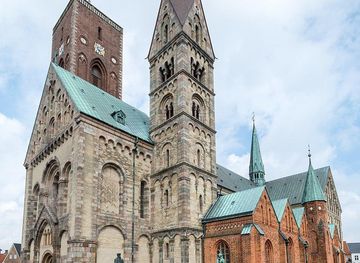
Discover Ribe, Denmark's oldest town, where medieval charm meets modern allure. Experience Viking history, stunning architecture, and breathtaking natural wonders.
Explore Ribe
Getting your guide ready…
We are putting together a fresh copy of the Ribe Kloster guide. This can take up to a minute.
This can take a few moments. If your browser asks, choose Allow so the download can start. You'll find the guide in your Downloads folder.
Nothing happened? Download it again
Sorry, the guide is taking longer than usual. Please try again in a minute, or get it by email instead.