Your all‑in‑one travel companion app
Explore expert travel guides, compare and book tours, experiences, hotels, and more—all from the palm of your hand. Download now for seamless trip planning wherever your wanderlust takes you.
Discover the best landmarks near Lundegård. Find inspiration for your trip with our curated list of top-rated spots, local favorites, and hidden gems.
A striking red-brick monument to Odense's industrial heritage and early 20th-century urban modernization.
A bold neighbourhood landmark celebrating Bolbro's vibrant community identity in western Odense.
Small in size but huge in symbolism, this Odense statue honours the local coach who led Denmark to its unforgettable Euro 1992 triumph.
A bronze sea horse with mermaid rider, where Andersen's fairy tales meet the river's edge.
Odense's longest cherry blossom avenue, where community passion transforms a neighborhood street into springtime magic.
A single worn paving stone in Odense’s old town preserves a stark local legend of shame, faith and a fatal leap from the cathedral tower.
A luminous Brick Gothic cathedral in the heart of Odense, where Viking kings, saintly relics and fairy-tale echoes share a serene, whitewashed nave and atmospheric crypt.
A delicate paper boat turned gleaming sculpture, Papirbåden floats on Odense’s Fairytale Garden lake, quietly celebrating H.C. Andersen’s “Steadfast Tin Soldier.”
A bold, reclining bronze goddess that provokes, delights, and defines Odense's artistic identity.
Red-brick Italian-Gothic elegance and civic life meet at Odense City Hall, the historic heart of Flakhaven square and a key landmark in Hans Christian Andersen’s city.
Vibrant street art bringing color and contemplation to Odense's urban landscape.
A neo-Gothic sanctuary of immigrant faith and international craftsmanship in the heart of Odense.
Five centuries of Danish power, privilege and everyday life layered into one remarkable brick convent in the very heart of historic Odense.
A quietly elegant former royal residence anchoring Odense’s King’s Garden, offering calm park views, restrained classical architecture and a glimpse of civic history.
A striking steel landmark bridging city, station, and waterfront through innovative design and community connection.
A towering, threefold portrait of Hans Christian Andersen that greets you outside Odense Station with colour, symbolism and quietly dramatic storytelling.
A life-sized bronze Hans Christian Andersen sharing a city bench in Odense, inviting you to sit, linger and step briefly into the storyteller’s world.
Central rail and bus hub of Funen, Odense Station links Denmark’s mainlines with the city’s historic heart, light rail and cultural sights in one integrated complex.
A submerged bronze protest against bureaucracy, honouring Denmark's greatest storyteller beneath the harbour.
A quiet Neolithic long barrow in the fields near Ferritslev Fyn, where a simple stone chamber and grassy mound bring Funen’s prehistoric past close at hand.
Historic black houses preserving working-class resilience on Odense's waterfront.
Denmark's longest runic inscription, carved with divine invocation and protective curse.
A solemn memorial to Denmark's 1945 liberation, nestled in a forested valley near historic Sulkendrup Mill.
A modest village liberation stone in front of Vindinge Church, quietly commemorating Denmark’s 1945 freedom amid the calm of rural eastern Funen.
A quiet memorial to Denmark's liberation from Nazi occupation in 1945
Svendborg's oldest house: a ochre-yellow Renaissance gem where nobility, hospitality, and history converge.
Svendborg's oldest building and spiritual guardian of seafarers since the 11th century.
A pristine coastal peninsula where Denmark's largest heath meets the fjord—nature in its purest form.
Denmark's most elegant lighthouse crowns Ærø's northwestern shore with 140 years of maritime heritage and starlit views.
Denmark's colossal 1,200-tonne ice-age boulder, transported from Sweden 18,000 years ago.
A modest white monument on Nyborg’s old fortress embankment, Den Hvide Jomfru blends legend, landscape and history into a quiet, atmospheric pause.
Medieval bulwark crowned with a 1899 water tower, offering rampart walks through Nyborg's fortified heritage.
Industrial heritage meets contemporary art in a 1899 tower overlooking Nyborg's medieval ramparts.
Medieval parliament seat where Danish kings shaped a nation's destiny and founded a Nordic empire.
Walk through Denmark’s former landward gateway: a 40 m vaulted fortress tunnel where royal power, nightly bell rituals and everyday travel once converged.
Medieval market square where Denmark's first constitution was signed, surrounded by half-timbered heritage and castle ramparts.
A solemn memorial to a 17th-century Danish captain whose frozen fleet became legend.
Denmark's pivotal 1659 victory monument—where allied forces turned the tide of war in a single decisive day.
Where Danish cinema's greatest visionary is celebrated through iconic characters and cultural memory.
Stroll the grassy ramparts and mirror-still moats that once guarded Denmark’s medieval power center, now a peaceful green belt wrapping historic Nyborg.
Bold yellow bicycle sculpture in Svaneparken celebrating Nyborg’s role as Tour de France Stage 2 finish in 2022, blending public art, cycling heritage and coastal scenery.
A historic rail gateway on Funen’s east coast, Nyborg Station links castle town charm with fast, modern connections across Denmark via the Great Belt.
Denmark's historic maritime beacon with rare historical installations and pristine coastal nature.
Atmospheric 5,000‑year‑old passage grave in the fields of Hindsholm, blending big‑sky countryside views with an intimate Stone Age burial chamber.
Medieval island church on a gentle Ærø hillside, where whitewashed stone, quiet fields and seafaring stories meet in a calm, contemplative setting.
Southern Jutland’s grand baroque palace, overlooking a quiet fjord and wrapped in sculpture‑filled gardens, forest paths and a preserved ducal townscape.
Intimate island hotel and café in a restored schoolhouse, set on Ærøskøbing’s cobbled main square with cosy rooms and a front-row seat to everyday island life.
A haunting brick ruin marking Ærø's vanished industrial era, standing silent on the island's edge.
Northern Europe's best-preserved fortress ramparts, where 370 years of Danish military history meets urban parkland.
Denmark's dramatic stepped coastal cliffs offering geological wonder, panoramic sea views, and pristine natural landscapes.
A hilltop peace memorial with sweeping Baltic views, uniting island heritage and contemplative solitude.
A quietly beautiful 12th‑century countryside church on Ærø, where whitewashed walls, historic graves and open fields tell the island’s rural and seafaring story.
A 12-metre-tall sculptural boot offering quirky charm, panoramic views, and sheltered gathering space in rural Denmark.
A modest stone on Sønderborg’s former shooting range honouring two fallen wartime servicemen, inviting a brief but powerful pause for remembrance and reflection.
A red-plastered island fortress turned noble family home, Tranekær Castle crowns a hat-shaped hill on Langeland, blending medieval power, romance and working estate life.
Hidden beneath Kongevej lies Sønderborg’s former Cold War nerve center, an underground command bunker built to keep the city running in times of crisis.
A modest harbourfront memorial in Marstal that quietly honours generations of Danish sailors who left this island port and never returned from the sea.
A modest monument on Sønderborg’s town-hall square, the Memory Stone offers a quiet pause for reflection amid the everyday bustle of this historic border town.
A granite monument celebrating Denmark's 1920 reunification, quarried from island cliffs and raised by hand.
Denmark's iconic windmill and national symbol of resilience, rebuilt after war and transformed into a living museum of history.
Sønderborg's manicured waterfront promenade offering fjord views and maritime charm.
Sweeping Baltic vistas from Ærø's most scenic overlook between two charming harbors.
A modest memorial stone in Sønderborg that quietly honours executed Danish resistance fighters and anchors the town’s powerful, human-scale story of 1945.
A modest memorial stone on Dybbølbjerg, quietly honouring Lieutenant Rothenborg Muus amid the historic hills and everyday calm of Sønderborg’s Dybbøl landscape.
A quiet stone marking Denmark's liberation and Vester Sottrup's wartime legacy.
Denmark's most iconic symbol of resilience, rebuilt twice from wartime destruction and standing as a monument to national identity.
Open earthworks, fluttering flags and far-reaching views on the Dybbøl Heights tell the story of war, loss and reunification at King’s Redoubt near Sønderborg.
A quiet memorial to the world's first Red Cross observers amid Denmark's most historic battlefield.
Stille jordvolde på Dybbøl Banke, hvor en tysk skanse fortæller om tiden efter 1864 og fæstningsringen, der engang omklamrede Sønderborg.
Memorial marker honoring Danish reunification and the 1864 battle's fallen defenders on a historic fortification site.
A modest 1897 lighthouse at the quiet end of Bukkeskovvej, Tranekær Fyr offers big sea views, maritime history and island solitude rather than formal attractions.
The compact rail and bus hub that delivers you straight into Kolding’s mix of castle-topped history, cobbled streets and fjord-side modern design.
Kolding's historic covered arcade where local shops, cafés, and the lively English Pub create an authentic downtown gathering space.
Denmark's rarest medieval townhouse, where 437 years of history meet contemporary art.
A vividly painted Renaissance townhouse from 1595, Borchs Gård brings Kolding’s mercantile past to life on the edge of lively Akseltorv square.
Kolding’s oldest church, where medieval roots, Renaissance artistry, and daily parish life meet under a red-brick neo‑Gothic tower.
A modest 19th-century Catholic red-brick church in central Kolding, offering quiet reflection, intimate architecture and a glimpse of Denmark’s Catholic life.
Langeland's longest church, a whitewashed medieval landmark with stepped gable tower and historic rectory.
A lived‑in royal summer palace with romantic lakeside gardens, a lavish Baroque church and centuries of Danish history quietly unfolding in southern Jutland.
A 55‑metre Stone Age long dolmen in the fields north of Humble, where legend, prehistoric engineering and soft Langeland landscapes meet in quiet simplicity.
Medieval fortress ruins crowned by a 19th-century lighthouse with sweeping views across the Samsø Belt.
A historic lake and scenic cycling hub where renewable energy heritage meets Danish countryside tranquility.
Historic lighthouse overlooking Flensborg Fjord—serene coastal views, exceptional birdwatching, and windswept natural beauty.
An ancient Stone Age long barrow revealing secrets of Neolithic burial practices and the tragtbægerkulturen civilization.
Small rural monument, big wartime story: a quiet Danish field where seven RAF airmen are remembered with a single steadfast stone.
A Bronze Age sacred spring where fresh water flows from an ancient hollow oak, connecting modern visitors to 3,000 years of spiritual tradition.
Denmark's rare hilltop post mill with sweeping island views and centuries of agricultural heritage.
A modest Neolithic dolmen in the fields near Slagelse, where ancient burial stones, open skies, and quiet farmland meet in a quietly powerful landscape.
Jump into the most useful discovery pages nearby, from experiences and heritage highlights to food, stays, shopping, and evening ideas.
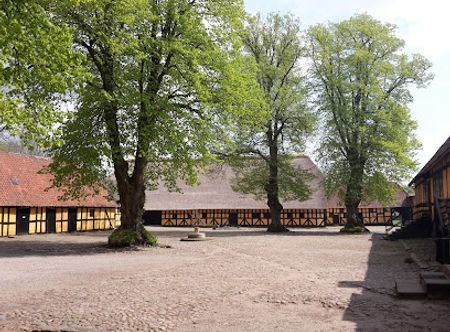
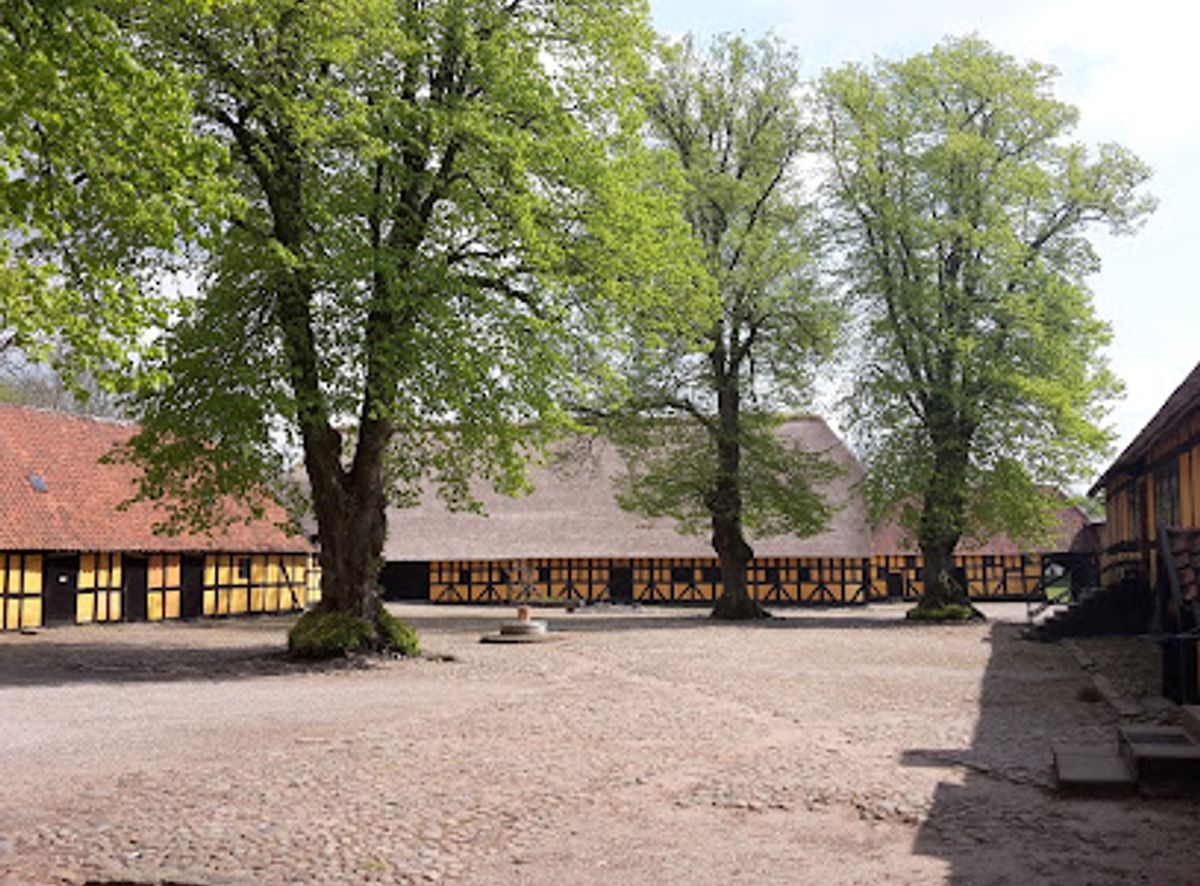
Quiet Funen manor with centuries of history, a charitable legacy and occasional cozy markets set among barns, gardens and open farmland near Broby.
Tell me more about Lundegård

Explore expert travel guides, compare and book tours, experiences, hotels, and more—all from the palm of your hand. Download now for seamless trip planning wherever your wanderlust takes you.